First Time in London: What to Do and Where to Stay
I’ve said a lot of cities are my favorite place in the world.
And it’s always true! New York, Salzburg, Amsterdam, Sarajevo, my hometown — they’re all my favorites in their own ways.
But there’s something extra special about London, with a particular combination of history and architecture and culture and charm that draws me in every time. On the list of places I think I could happily live, London’s pretty high.
Maybe it’s because London was my first big international trip as an adult, and the first place I (ever so briefly) experienced a taste of solo travel. Did it imprint itself on my brain?
I don’t feel a need to know, really. I just know I love London.
And if you’re now planning to visit London for the first time, I want to help you love it just as much! In this post, I’ll tell the best things to do during your first trip to London, where you should stay, and what else you should know about visiting London (including how to get around!).
This is what to know about planning your first time in London.
This post contains affiliate links. If you make a purchase or a booking through one of these links, I may receive a small commission at no extra cost to you. Thanks for supporting In Old Cities in this way!
10 Things to Do During Your First Trip to London
On your first trip to London, you’ll want to see the top tourist sites and iconic global symbols while also experiencing the city’s unique cultural treasures and dining opportunities.
Here are my top 10 things to do during your first time in London.
1. Take a free walking tour.
If possible, on the first day of your visit to London, join a free walking tour of the city. A good walking tour will orient you to the city, show you many of the top sites, and give you a good overview of the history behind many of London’s famous spots.
I recommend the SANDEMANs free walking tour, which I enjoyed quite a lot on my own first visit to London. On this tour, you’ll see Buckingham Palace (and other royal residences), Trafalgar Square, and more before ending at the Houses of Parliament, Big Ben, and Westminster Abbey (which you can visit on your own after the tour, if you like).
Like all “free” walking tours, you should plan to tip your guide £10-20 at the end of the tour.
2. Linger over an afternoon tea.
It may be a bit of a London tourist cliche, but I don’t care: give me a lovely afternoon tea any day.
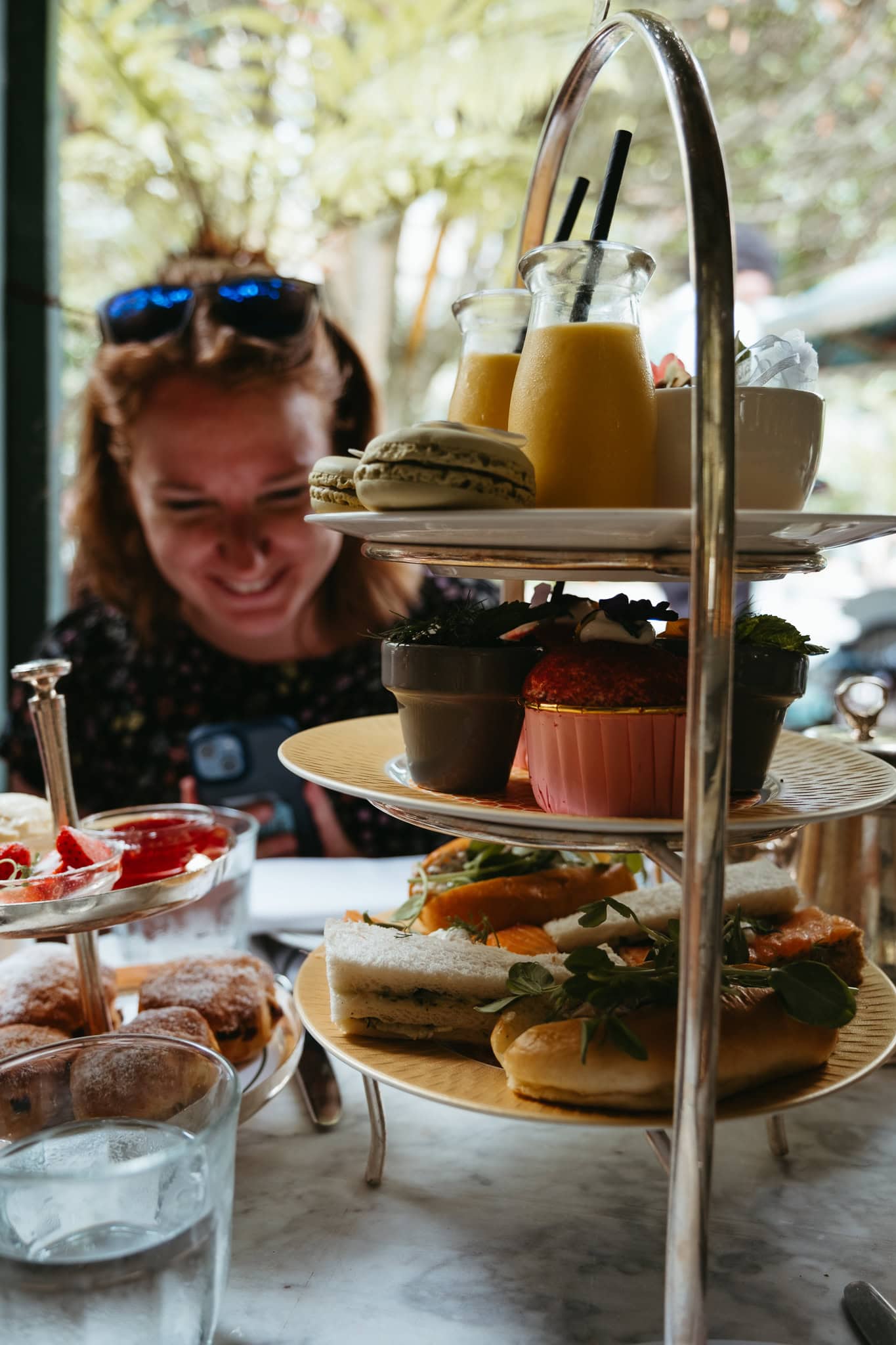
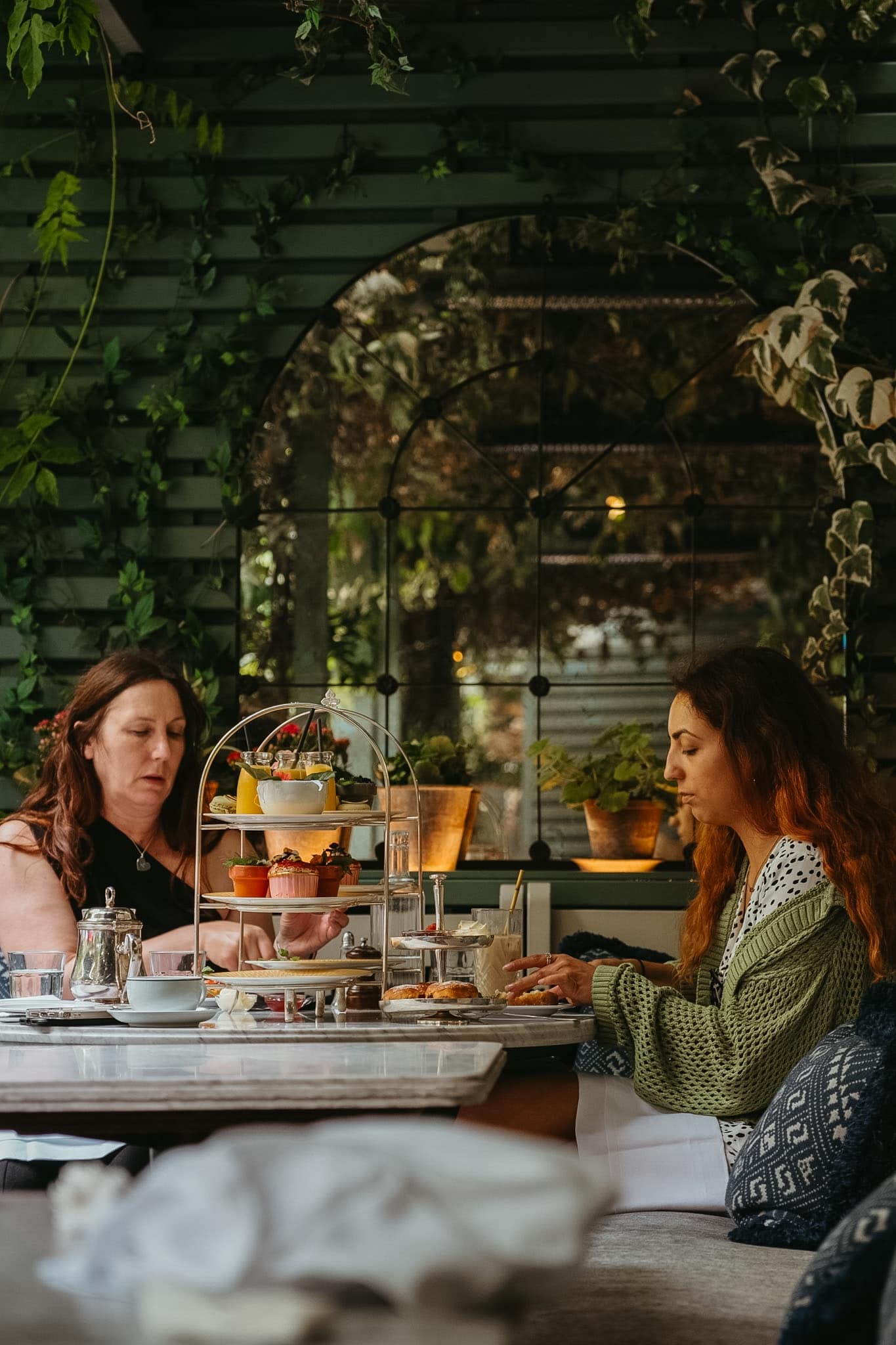
At a typical afternoon tea in London, you can expect to be served some variation on scones, finger sandwiches, and light desserts. And, of course, tea! (Some places also offer a glass of champagne for an additional fee.)
Afternoon tea is generally served in the afternoon — of course — with seatings typically beginning at 2 or 3 pm, and continuing until 5 pm or so. Accordingly, it makes for a great late lunch, a (very) early dinner, or an especially substantive afternoon snack. If you’re going to an evening show on the West End, you might consider having an afternoon tea before the show and then going out for a late dinner after the show!
Some afternoon teas are themed — for example, the Alice in Wonderland tea at the 5-star Sanderson hotel. Others can be quite fancy, requiring a specific dress code. Be sure to check the website for your chosen tea location to see whether they have a dress code before you go!
I’ve enjoyed several afternoon teas in London, but my favorite so far was at The Ivy Chelsea Garden. The garden is a gorgeous setting, and the tea was both delicious and served in very fun ways.
3. See a show on the West End (or elsewhere).
London has a fantastic theater scene, and if you’re a fan of plays or musicals, it’s worth seeing a show or two during your trip.
As an avowed Broadway fan, I especially love seeing shows in London because the quality is just as high, but ticket prices tend to be much lower. During my last trip to London, I saw Matilda (which was fantastic!) from the 4th row for just £82.50 (less than $100 at the time).
In addition to the established West End theaters, keep an eye out for fun shows at other London locations. For example, during the warmer months, Regent’s Park Open Air Theatre regularly puts on a handful of fantastic shows. I once saw an excellent production of Les Cage aux Folles there!
4. Visit a (free!) museum (or two, or three).
Most of London’s museums — yes, including the incredibly famous ones, like the British Museum — are completely free to visit, which is pretty remarkable.
This means that even if you’re not a huge museum person, it’s well worth popping into a museum or two to see some highlights. You can stay for a relatively short time without worrying about getting your money’s worth!
There are many different free museums to visit in London, so whether you’re into art, history, or something else, you’re likely to find something that piques your interest.
That said, if you’re not especially picky, and for your first visit to London you want to experience a range of museums, I’d consider visiting the following places:
British Museum
One of the most famous museums in the world, the British Museum holds artifacts from millions of years of human history. Should all of those artifacts actually be in Britain? Well, no: many of them are there because representatives of the British Empire straight up stole them from their places of origin (which some informational signs in the British Museum now admit), or otherwise acquired them as the result of colonialism. Some of these objects may someday return to their rightful homes, but for now they are available for you to see in London.


Tate Modern
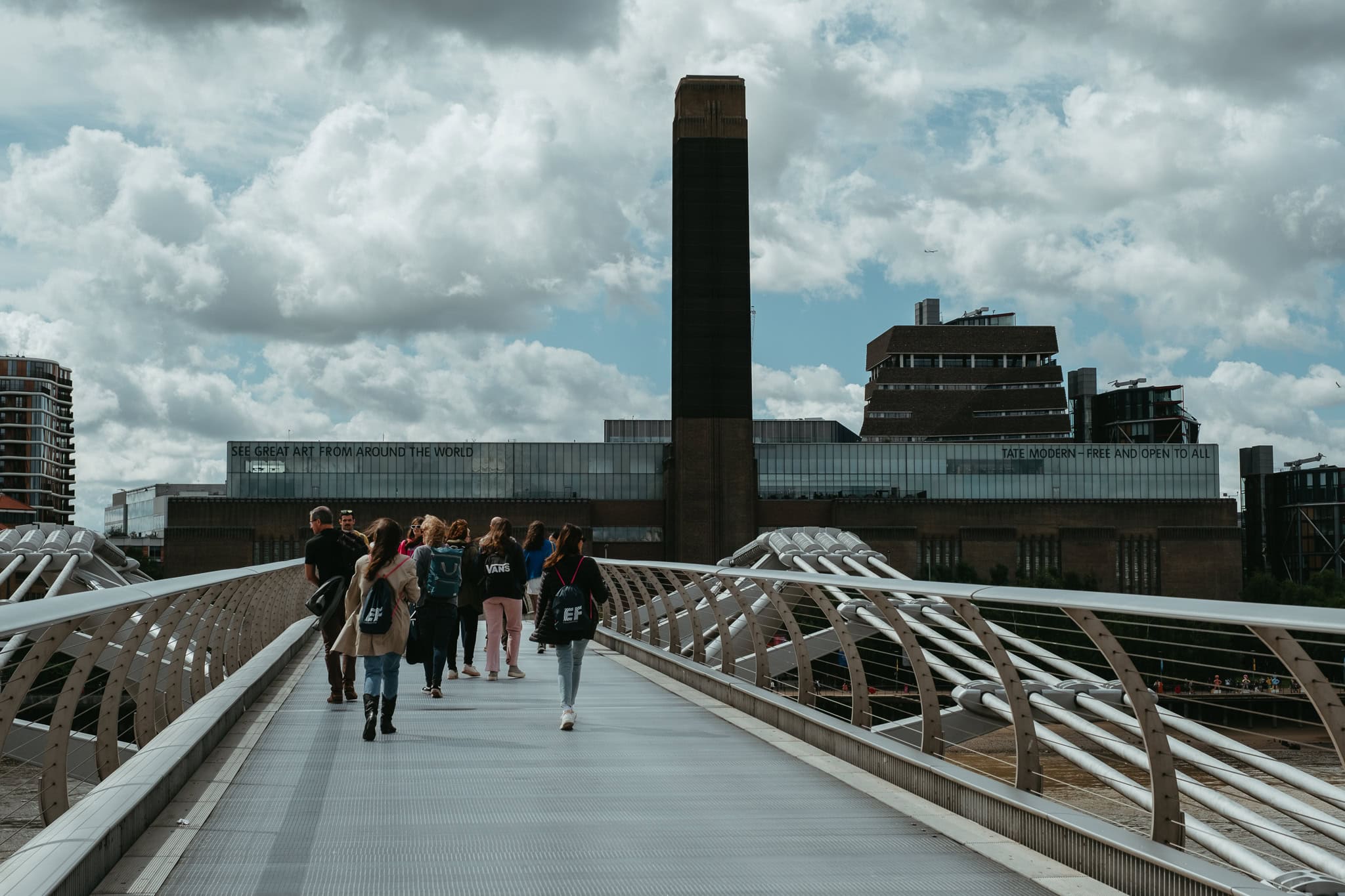
London’s premier modern art museum occupies a former power station on the Thames, so the building is worth stepping into even if you’re ambivalent about the types of art it holds. (Plus, it has a (controversial!) viewing platform with some great views of London!) I recommend visiting St. Paul’s Cathedral, then walking across the Millennium Bridge to the Tate.
The Wallace Collection
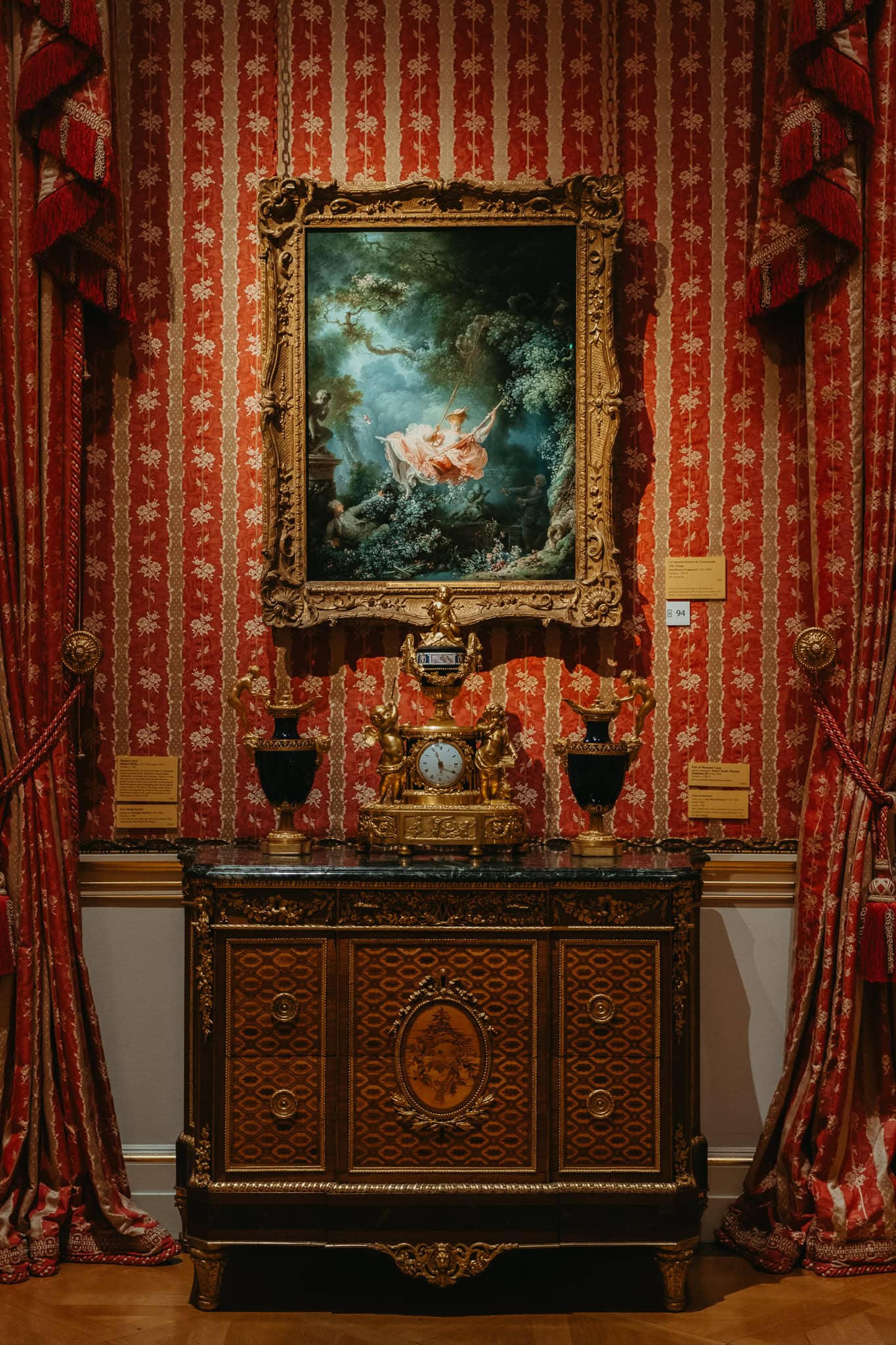
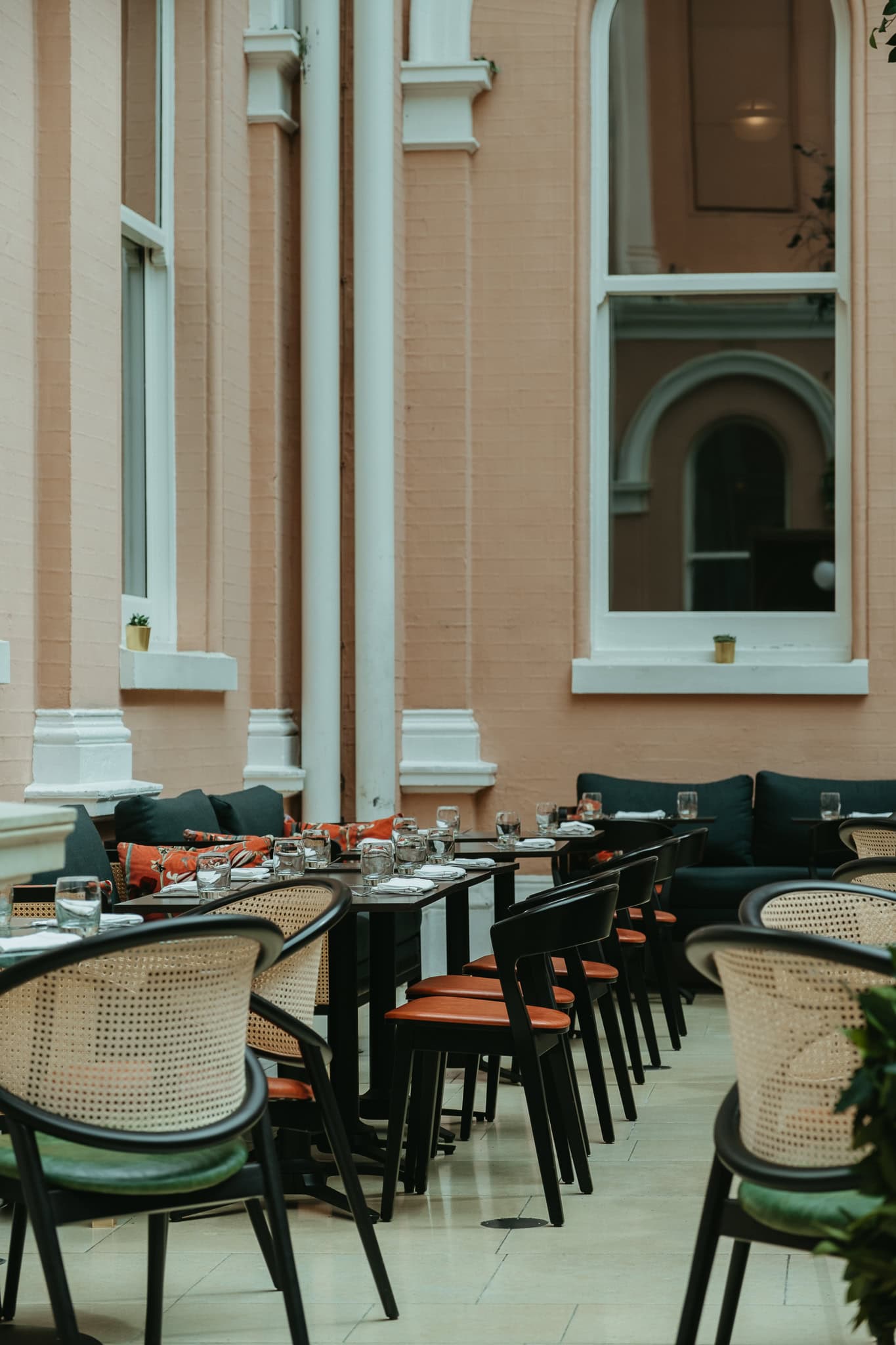
Since it’s much more obscure than my other recommendations, a visit to the Wallace Collection virtually guarantees a quieter, crowd-free experience. This art museum occupies a beautiful former townhouse, filling the rooms with classic fine and decorative arts, furniture, and more. Don’t miss the courtyard, which is a beautiful space in which to enjoy some tea, and be sure to see Fragonard’s The Swing — one of my favorite paintings!
5. Eat at a food market.
For a casual but delicious lunch option, it’s tough to beat a street food market or food hall.
In these busy spaces, you’ll typically find rows of stalls serving up fresh food from all over the world — thanks to the wonderful diversity of the people of London.
My favorite is Borough Market, but you can also check out Greenwich Market, Broadway Market, Old Spitalfields Market, and others.
Be sure to check opening hours before you try to visit a food market — many are only open certain days of the week!
6. Shop on Portobello Road.
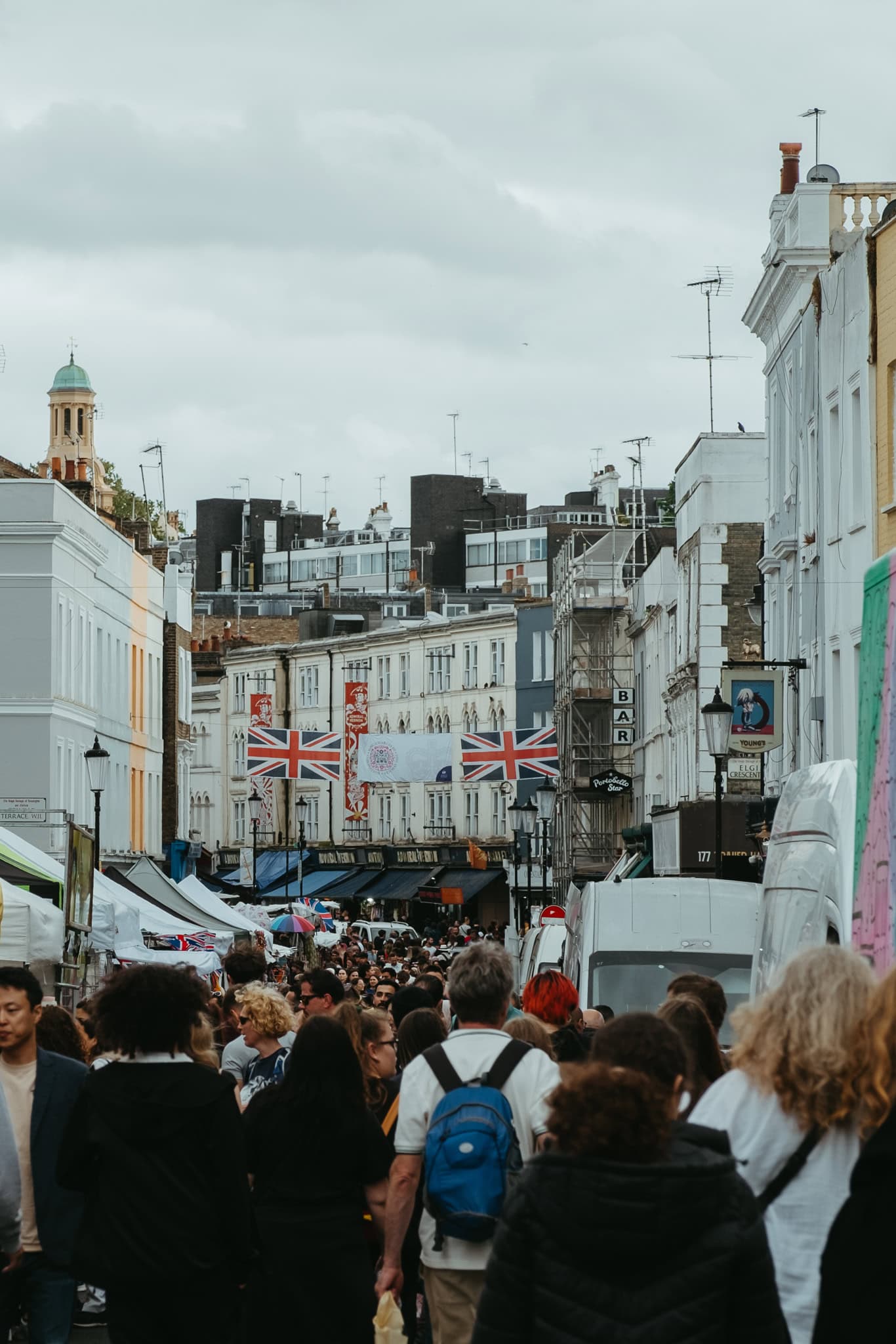
Don’t visit London without experiencing Notting Hill! It’s my favorite part of the city. Is that because I love the movie Notting Hill so much, or is it the gorgeous houses, beautiful shops, and charming streets? Probably all of the above, I suppose.
There’s plenty to do in Notting Hill, but you’ll never get a real sense of the neighborhood without experiencing Portobello Road Market, the eclectic street market that floods the streets of Notting Hill on Saturdays (and, on a smaller scale, on some other days).
Give yourself a few hours to peruse the stalls of antiques, clothing, souvenirs, jewelry, books, food, and much more.

7. Eat curry on Brick Lane.
In the mid-20th century, large numbers of people migrated to England from India and Bangladesh — bringing their cultures and foods with them, of course. Many settled in the city’s East End, forming what’s now known as Banglatown.
This part of London remains a spectacular place to enjoy Indian cuisine. Most famously, you’ll find a remarkable stretch of curry houses on Brick Lane.
Some of the most popular places to eat Indian food on Brick Lane include Aladin, Bengal Village, and Sheba — but I personally wouldn’t stress too much about finding a table at any particular restaurant, since there are so many excellent options. I like to just turn up at Brick Lane and pick any restaurant with solid reviews on Google and no wait for a table!
8. Check out the view from the London Eye.
Yes, it’s expensive. Yes, the lines can be egregious.
So it’s kind of annoying that the views from the London Eye are so good.
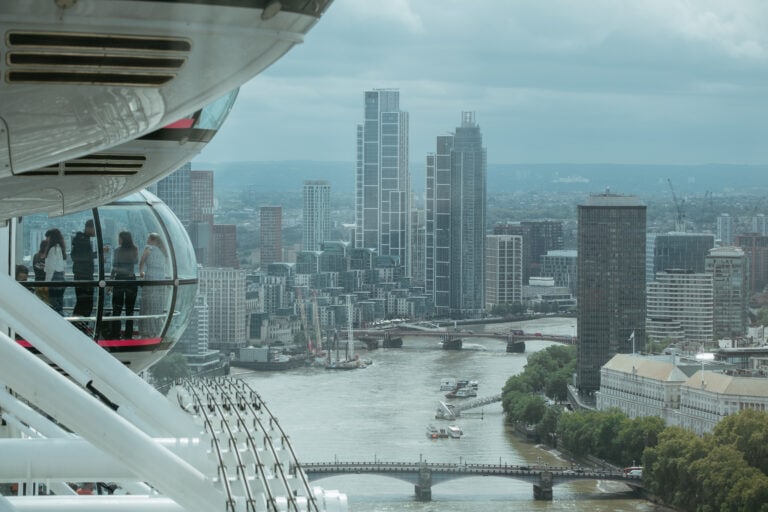
Indeed, the London Eye — a huge Ferris wheel with large observation pods on the South Bank of the River Thames — offers some of the best views of iconic attractions like Big Ben and the Houses of Parliament.
If your budget is tight, feel free to skip the Eye. But I do recommend it in general!
That said, be warned that the lines really can be ridiculous. Even if you book a ticketed time in advance, you can still turn up and discover that you’ll need to wait an hour or more to actually get in a pod. For this reason, if you’re visiting during a busy tourism time (like the summer), it may be worth shelling out extra for the fast track tickets. I learned this the hard way during my last visit to London! (Though the good news is that you can show up and purchase the fast track add-on on the spot, even if you already have the base tickets, if the line looks too long to bear.)
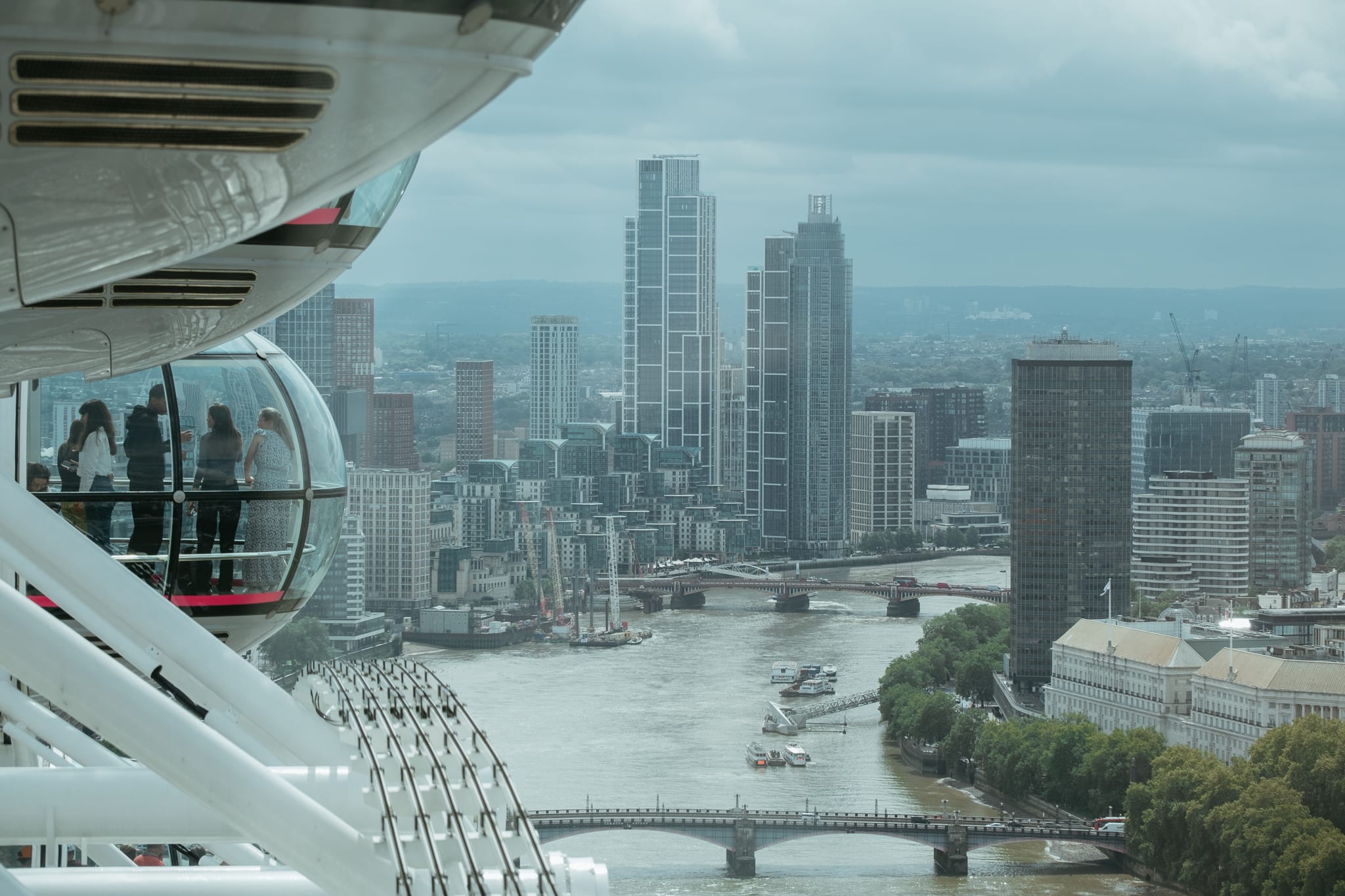

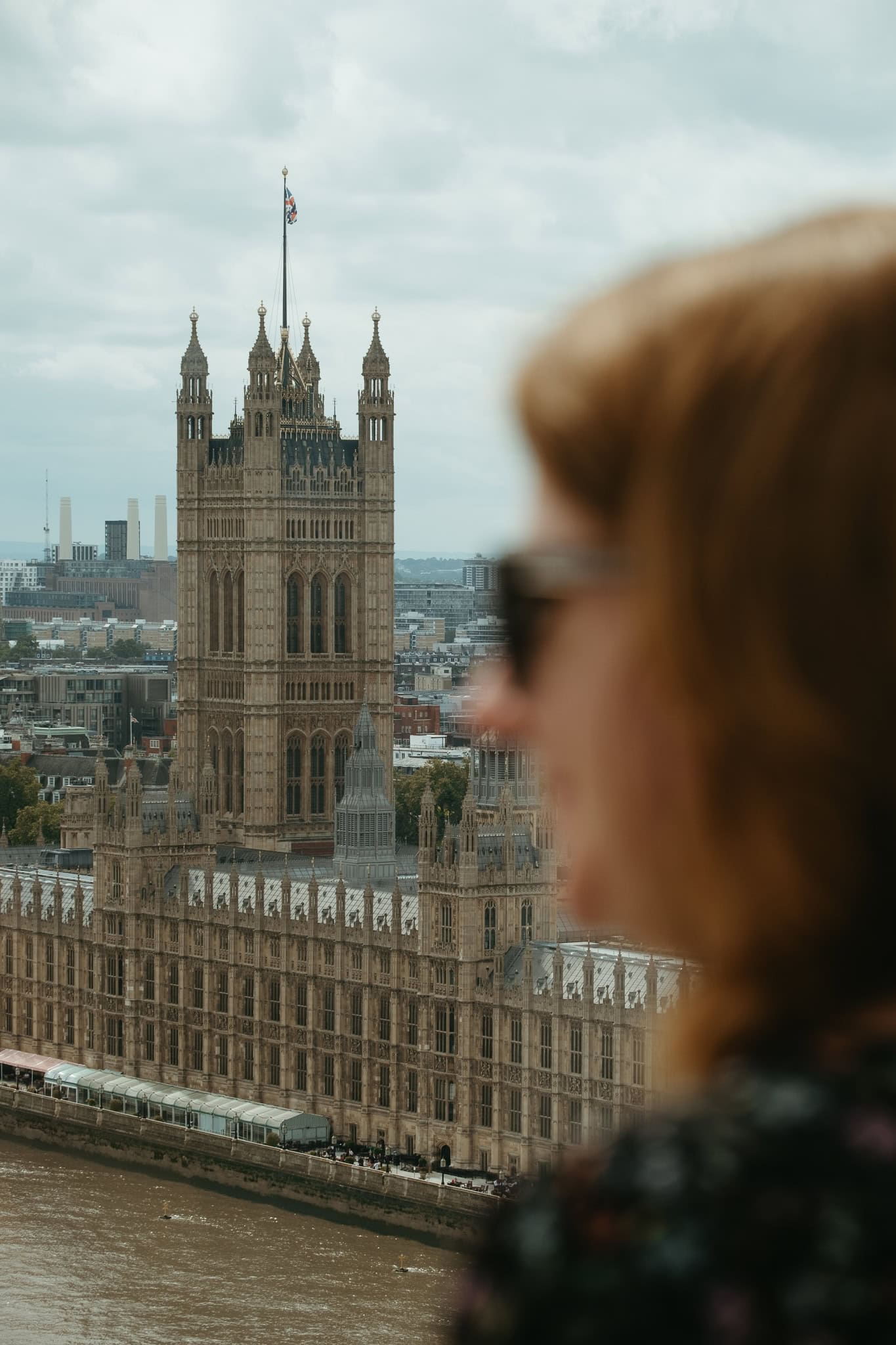
I’ve experienced the London Eye both at nighttime and during the day. I’d skip it at night, honestly — it’s much less busy, and can be quite romantic, I suspect, but you can’t see much of the city. I also wouldn’t ride it in the rain, when water droplets on the outside of the observation pod might interfere with your views and photos.
9. Take a stroll through a royal park.
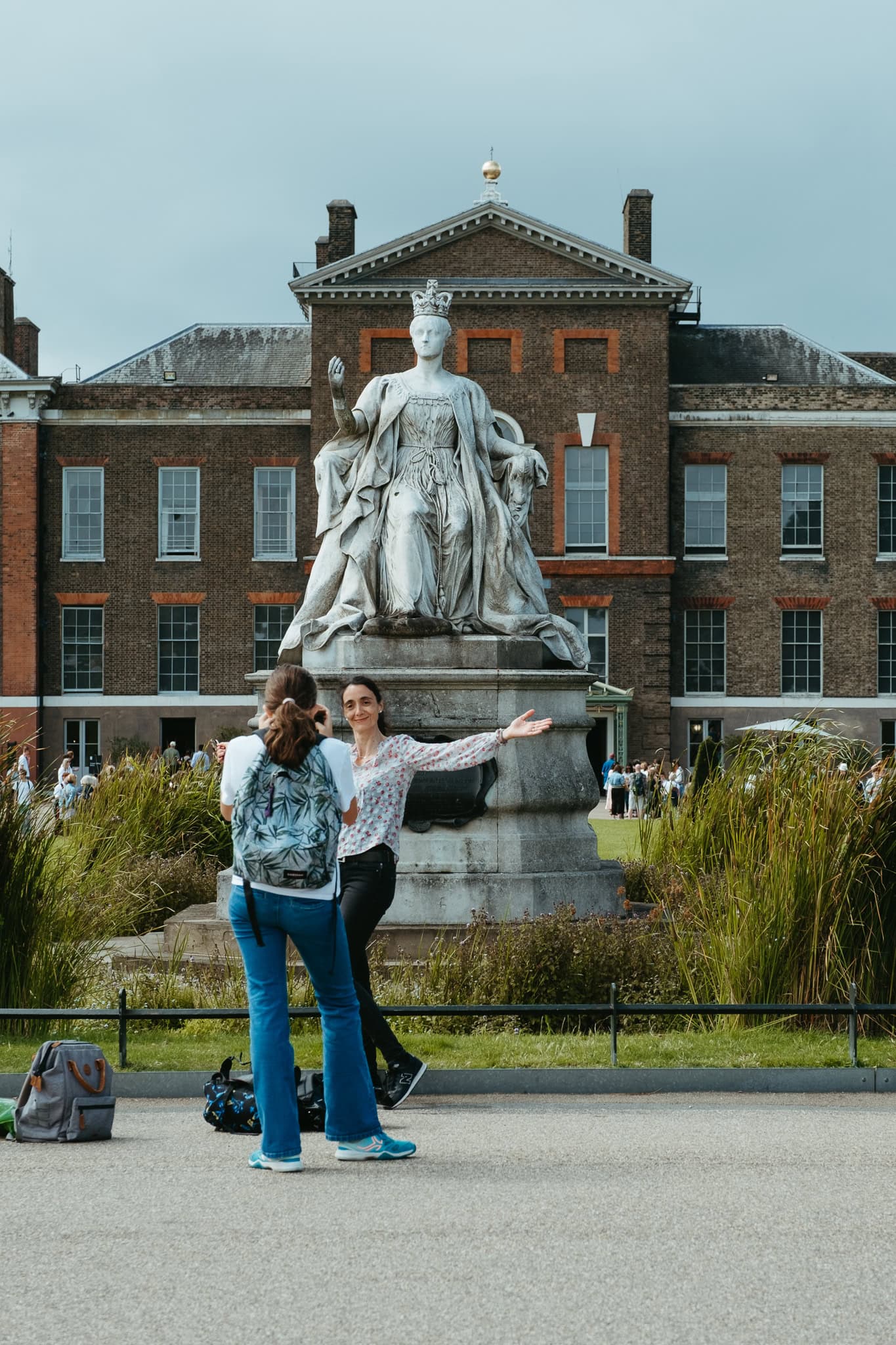
London has eight Royal Parks made up of land that was once used by the royal family for leisure and hunting. Though most of these parks are still located near royal residences, the Royal Parks are now wholly available for the public to use — and you should use them!
You can find more information about each park here. Personally, I’m a fan of Kensington Gardens and its neighbor, Hyde Park, as well as Greenwich Park.

10. Switch up the vibes with a day trip.
Though London has no shortage of things to do, if you’re visiting for long enough, you might consider taking a day to head out of the city for something entirely different.
For example, head to Windsor and tour its historic castle — Queen Elizabeth II’s favorite royal residence, and the site of Harry and Meghan’s wedding (just for starters).
Or take the train to Salisbury, where you can see an original Magna Carta in an incredible cathedral and then take the bus to Stonehenge.
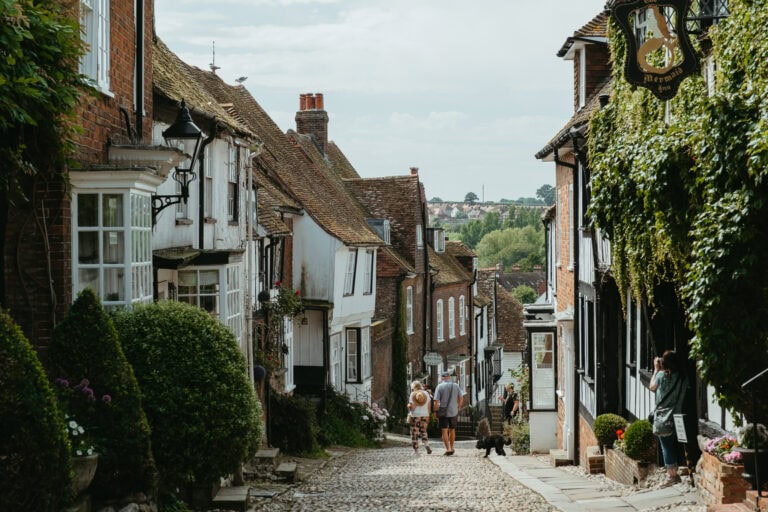
Or head south to the tiny, charming town of Rye, where you can visit a historic castle and follow in the steps of Henry James.
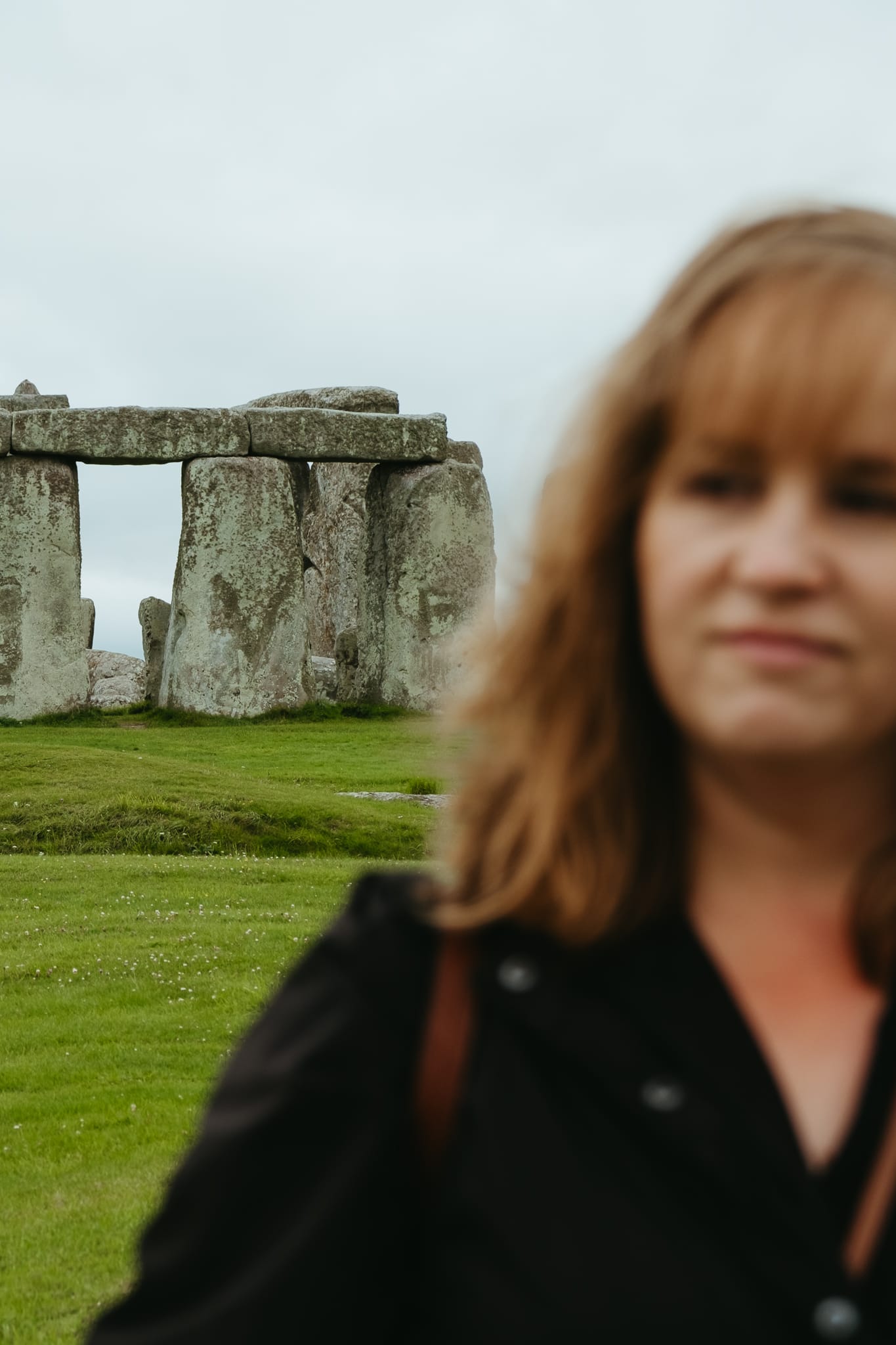

Other great day trip options from London include Canterbury, Oxford, and the Cotswolds. Check out some popular tours from London here:
Where to Stay for Your First Time in London
Let me give it to you straight: lodging can be very expensive in London. For many first-time visitors to London, the biggest planning-related challenge is finding somewhere to stay that’s within their budget.
There’s no silver bullet solution to this problem — no foolproof trick I can tell you to find a great but cheap hotel — so if you want to find a good deal on lodging, it’s worth investing a good amount of time in looking at options.
In my opinion, aside from your budget, here’s the most important thing to keep in mind when considering where to stay for your first time in London: you want to be within walking distance (i.e. 10 minutes or less) of a Tube station.
The Tube is London’s metro system (officially: the London Underground), and it’s often the best and easiest way to get around London (buses are also a good option in many instances!). You can read more about the Tube (and other transportation options) later in this post.
Depending where you stay, you may be able to walk to some of the places you want to visit, which is great. But London is big, and some of your destinations will probably be outside a reasonable walking distance. So prioritize Tube access!
With those important caveats established, let’s get into it: here’s how I go about looking for lodging in London, and where I think first-time visitors to London should consider staying.
How I Look for Lodging in London
In a large, expensive city like London, I will typically start my search for lodging on three sites: booking.com, Airbnb, and Hostelworld.
booking.com
Booking.com is a platform for finding and booking a variety of lodging options. (You can also book flights, car rentals, and other elements of travel on booking.com, but I exclusively use it for lodging.)
Personally, booking.com is my go-to platform for booking hotels.
When searching for lodging in London, I use booking.com’s filter system to look for hotels below a certain nightly price (whatever’s in my budget for that trip!) and above a certain review score (usually 8.0). I always, always limit my search to rooms with free cancellation (unless I’m booking right before my trip) so that I’m not penalized if my plans change and I need to cancel the room.
Airbnb
In cities like London, I use Airbnb to search for short-term apartment rentals.
Airbnb can be a great option, particularly if you’d like to stay in an apartment rather than a hotel room, or you’d like to have kitchen and/or laundry facilities. However, be sure to read the reviews very carefully (and NEVER book a place on Airbnb with an overall review score below 4.0).
Hostelworld
Hostelworld is one of the largest online platforms for finding and booking beds or rooms in hostels. This is a great option if you are on a tighter budget or are just having trouble finding a quality room that’s not wildly expensive.
Personally, I’ve stayed in a number of hostel dorm rooms — where you are given a bunk in a room shared with several or many other travelers. Many people (especially young travelers) love this option, and it can be very inexpensive (even in a city like London)!
These days, I think hostel dorm rooms are probably in my past — my travel budget isn’t as tight as it once was, and I very much value my privacy.
However, I do still sometimes stay in hostels — but in private rooms. Yes, many hostels have this option! (In fact, I stayed in a private room in a hostel during my last trip to London.) Sometimes, private rooms in hostels will have a private bathroom as well, while others have a sink in the room but shared toilet and shower facilities. (I usually don’t mind sharing a bathroom with other rooms, so I can save some money by staying a private room in a hostel instead of a hotel room!)
Areas of London: Where to Stay for Your First Visit
So now you know how to start your search for lodging in London. But what are the best areas of the city for a first-time visitor to stay in?
Here’s what I think.
Bloomsbury
With the University of London, several notable museums (including the British Museum!), and other cultural and academic treasures, the Bloomsbury area is an excellent place to stay. Plus, it’s reasonably central, with easy access to Covent Garden and other busy areas.
On my most recent visit to London, I stayed at Pickwick Hall in Bloomsbury. I really liked staying in this area — it was nice to be so close to the British Museum, I never had to walk too far to reach a Tube station, and it was quiet and safe.
BUDGET | Pickwick Hall has both dorm rooms and private rooms — plus a decent breakfast is included.
COMFORT | Cleveland Residences Russell Square offers clean and comfortable studios and small apartments.
LUXURY | The 4-star Montague on the Gardens has beautiful rooms, exceptional service, and a quality restaurant.
Soho
It’s not cheap, but Soho is a wonderful area to stay in, with close proximity to theaters, restaurants, shopping, and general nightlife. Stay in Soho if you want to feel like you’re truly part of the buzz of city life!
BUDGET | With affordable dorm rooms and slightly less affordable private rooms, YHA London Oxford Street might offer the best deal in Soho.
COMFORT | The Soho version of a “Comfort” budget (read: not cheap), the Hazlitt’s boutique hotel is full of antiques and cool historical features.
LUXURY | The Spice of Life — a cool new hotel located above a historic pub — features unique, trendy decor.
Westminster
Stay in Westminster if walkability to top tourist sights is a priority for you. If you have average fitness and ability, you’ll be able to walk to Big Ben, the Houses of Parliament, Westminster Abbey, the London Eye, Buckingham Palace, and more.
BUDGET | Budget pricing is difficult to find in Westminster, but you can snag a room at a reasonable price at the Chester Hotel, just outside Westminster.
COMFORT | Many of the mid-budget lodging options in Westminster are not hotels, but apartments like this one.
LUXURY | The Westminster London, a Hilton property, has clean and modern rooms with plenty of amenities.
Notting Hill
It may be a bit of an unconventional recommendation for first-time visitors, but I love Notting Hill. The homes are beautiful, Portobello Road is a lot of fun (especially on market days), the restaurants are great, and the Electric Cinema is the best movie theater in the world (according to me, a person with no expertise in this area).
I stayed in a Notting Hill Airbnb on my first trip to London, and totally loved it. It was such a pleasure to walk the beautiful streets each day on my way to and from the closest Tube station, and being near Portobello Road was great.
Staying in Notting Hill does mean that you might have a bit more transit time to some of the sights you’d like to see (more on this consideration below!). I think the trade-offs are worthwhile, but I wouldn’t stay in Notting Hill if being very near tourist sights is important to you.
BUDGET | Notting Hill isn’t a cheap neighborhood, but you can find good deals at Onefam Notting Hill (which is really in neighboring Bayswater).
COMFORT | Conveniently located just steps from a Tube station, the Ruby Zoe Hotel has cool decor and some rooms with lovely views.
LUXURY | The gorgeous Portobello Hotel, located in the heart of Notting Hill, has uniquely decorated rooms and luxury breakfasts.
Areas of London to Avoid Staying In
Yes, there are a few areas of London I wouldn’t recommend staying in, especially for first-time visitors.
The City of London
No, this doesn’t mean you should avoid staying anywhere within London — I’m talking about a specific part of London that’s called the City.
The City is London’s financial district, and it feels like one. While the City can be bustling during the day, when people come there to work, many streets completely empty out at night, making it feel a little too quiet and eerie. I once took a nighttime Jack the Ripper walking tour, which largely went through the City, and the empty streets really added to the spooky vibes — which is not something I want from my lodging.
Anywhere West of the A3220
I wouldn’t generally advise staying in a neighborhood west of the A3220 road — that is, west of Notting Hill, Kensington, and Chelsea.
This isn’t because those areas are bad — it’s just that they’re farther away from most sights, and you’ll spend more time (potentially a lot more) on transit.
This same consideration also applies to neighborhoods that are a bit more north, east, and south of the heart of London.
Staying farther afield isn’t necessarily a bad idea — it’s just a matter of how much time you’re willing to spend on getting to and from the places you visit.
Chelsea
Though it’s a beautiful area, Chelsea doesn’t have a Tube station, so it can be inconvenient for visitors.
If you want to stay in Chelsea anyway, try to stay around the western, northern, or eastern edges, where there’s closer proximity to nearby Underground stops.
More Tips for Visiting London
Here are a few more things I think you should know before you visit London for the first time.
How to Get Around London
Though London is big, it’s not too difficult to get around, thanks to a quality public transportation system.
You should plan to use the Tube, and likely some buses as well. Google Maps understands both of these systems, and when you ask Google Maps to direct you to a particular destination, it will recommend several options involving the Tube, buses, or both. Rely on it!
I’ve used subway systems in many cities around the world, and I think the London Underground is one of the easiest to figure out. It operates over a number of lines that cross each other at certain stations. Sometimes, you may be able to simply take one Tube line to reach your destination, while other times you will need to transfer to a different line at the station where those lines cross. Pay attention to the signage within the stations in order to find the platform that will contain the train going in the direction you want.
For both buses and the Underground, you can tap to pay. This means that when you enter a Tube station or step into a bus, there will be a scanner requiring your payment. Simply hold your contactless card or mobile device (if you have mobile payments set up, such as through Apple Pay) to the scanner and you will be allowed through. I recommend traveling with a card that doesn’t have foreign transaction fees!
Like any major city, London also has taxis and ride-sharing services like Uber.


UK Meal Deals
Want to save money on food in London? Be sure to take advantage of meal deals.
Here’s what a meal deal is: supermarkets, convenience stores, and some other locations offer a combination of food and drink items for an inexpensive price. Usually, a meal deal includes a main item (often a sandwich), a snack (like chips — or, as they say in London, crisps), and a drink. Yes, there are normally multiple choices for each category of item.
Meal deals typically cost just £3-5, which is indeed a pretty good deal! They’re very popular with locals, especially at lunch. If you pop into a store to snag a meal deal, you definitely won’t be alone!
Final Thoughts
As you plan your first trip to London, I hope this post has provided you with some great ideas for things to do and helped you understand the best places to stay.
Do you have more questions about visiting London for the first time? Don’t hesitate to leave a comment or send me a message — I’d love to help!
More Information About England
COSTS | Here’s how much I spent for a week in London.
NOTTING HILL | How to spend one day in my favorite part of London, Notting Hill.
STONEHENGE | Learn how to take a day trip to Stonehenge and Salisbury.
DAY TRIP TO RYE | Spend one delightful day exploring the charming town of Rye.
pin this post