3 Days in Florence // Museums, Marble, and Michelangelo
Florence is one of the most visited cities in Italy — and for good reason. With some of the world’s greatest art, a spectacular cathedral, a picturesque river and even more picturesque bridge, and excellent leather goods — among other features — there are so many fantastic things to discover in Florence.
If you’re wondering how much time to spend in Florence, I recommend giving yourself at least three full days. With three days in Florence, you have enough time to hit the world-famous highlights of Florence, plus some underappreciated gems.
In this post, I cover it all, giving you my recommended 3-day itinerary for Florence — including what to do if you find yourself with extra time or are staying in Florence for longer than 3 days. Plus, I’ll give you some suggestions for where to stay and provide an interactive map you can use during your trip.
This is how to spend 3 days in Florence.
This post contains affiliate links. If you make a purchase or a booking through one of these links, I may receive a small commission at no extra cost to you. Thanks for supporting In Old Cities in this way!
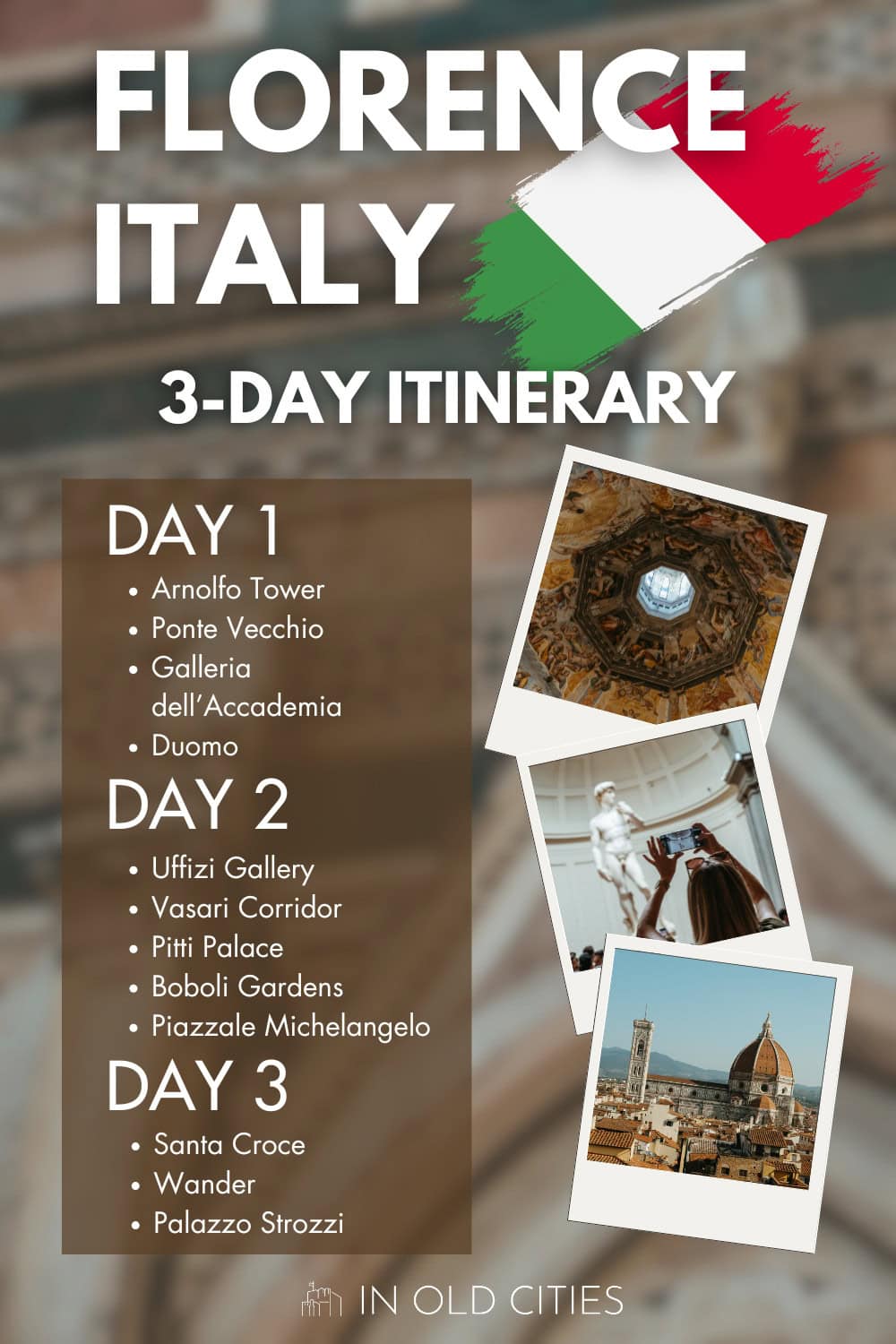
Itinerary for 3 Days in Florence
Let’s get into it: here’s your detailed itinerary for three days in Florence.
DAY 1: World-Famous Sights
On day 1 in Florence, it’s time to see some of the city’s most famous sights.
Arnolfo Tower
Start your day at Arnolfo Tower, or Torre di Arnolfo — the tower that stands above Palazzo Vecchio, Florence’s town hall.
I like Arnolfo Tower for its spectacular views of Florence’s famous cathedral (generally known as the Duomo), which I think are some of the best views in the city. Plus, at least in my experience, Arnolfo Tower is much less crowded than some of the other towers you can climb in Florence. When I climbed Arnolfo Tower (during one of the first time slots of the day), I only saw a couple of other tourists the whole time I was there.
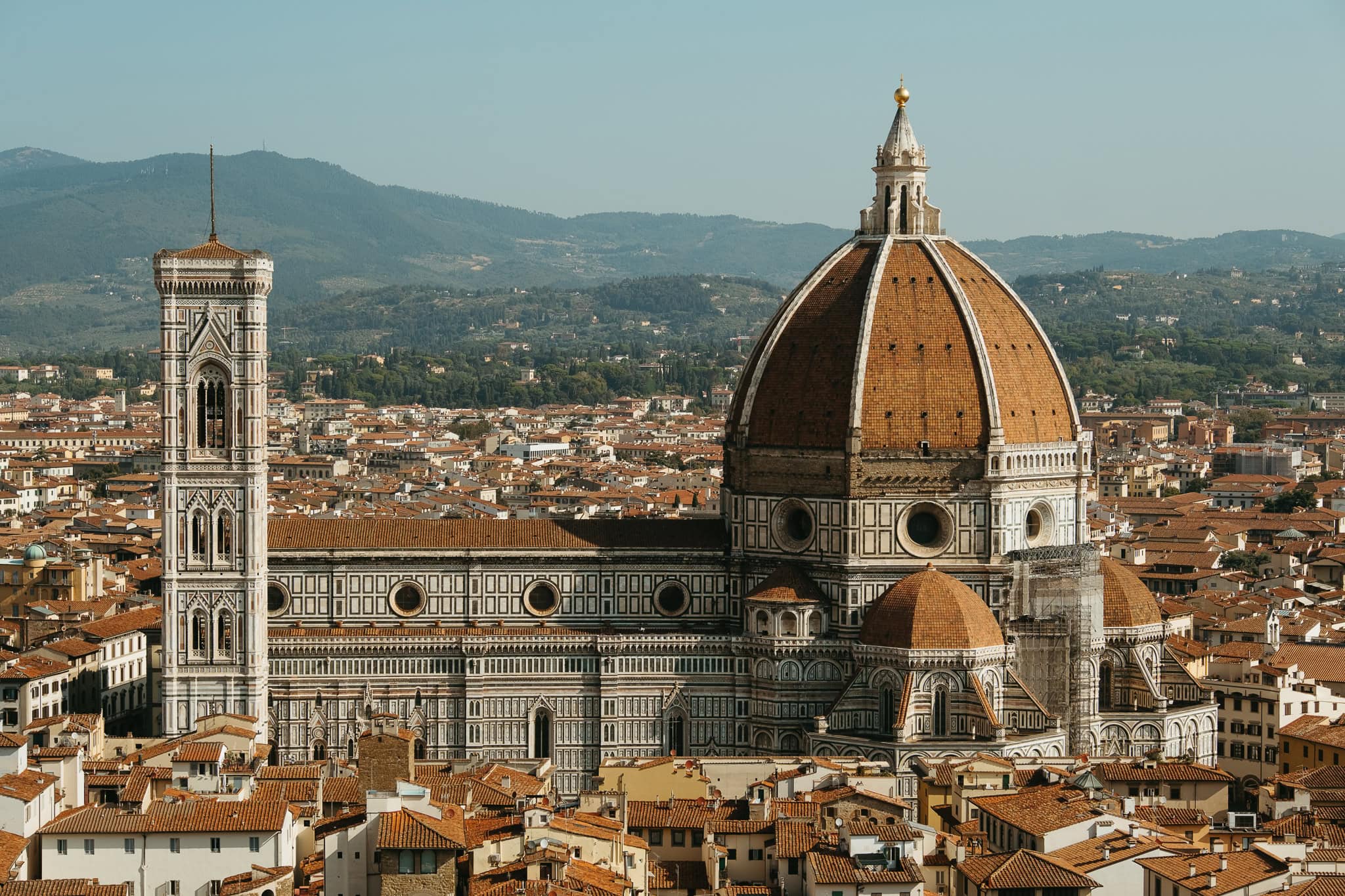
Arnolfo Tower also has a few different places to admire the views as you climb, and even has some seating, which is very welcome for breaks.
You can purchase a timed ticket for Arnolfo Tower in advance if you like, or roll the dice and buy one when you show up. The risk of waiting until the day of is, of course, that tickets might be sold out — but for what it’s worth, I had no trouble getting a ticket on the spot on a weekday morning in August.
Ponte Vecchio
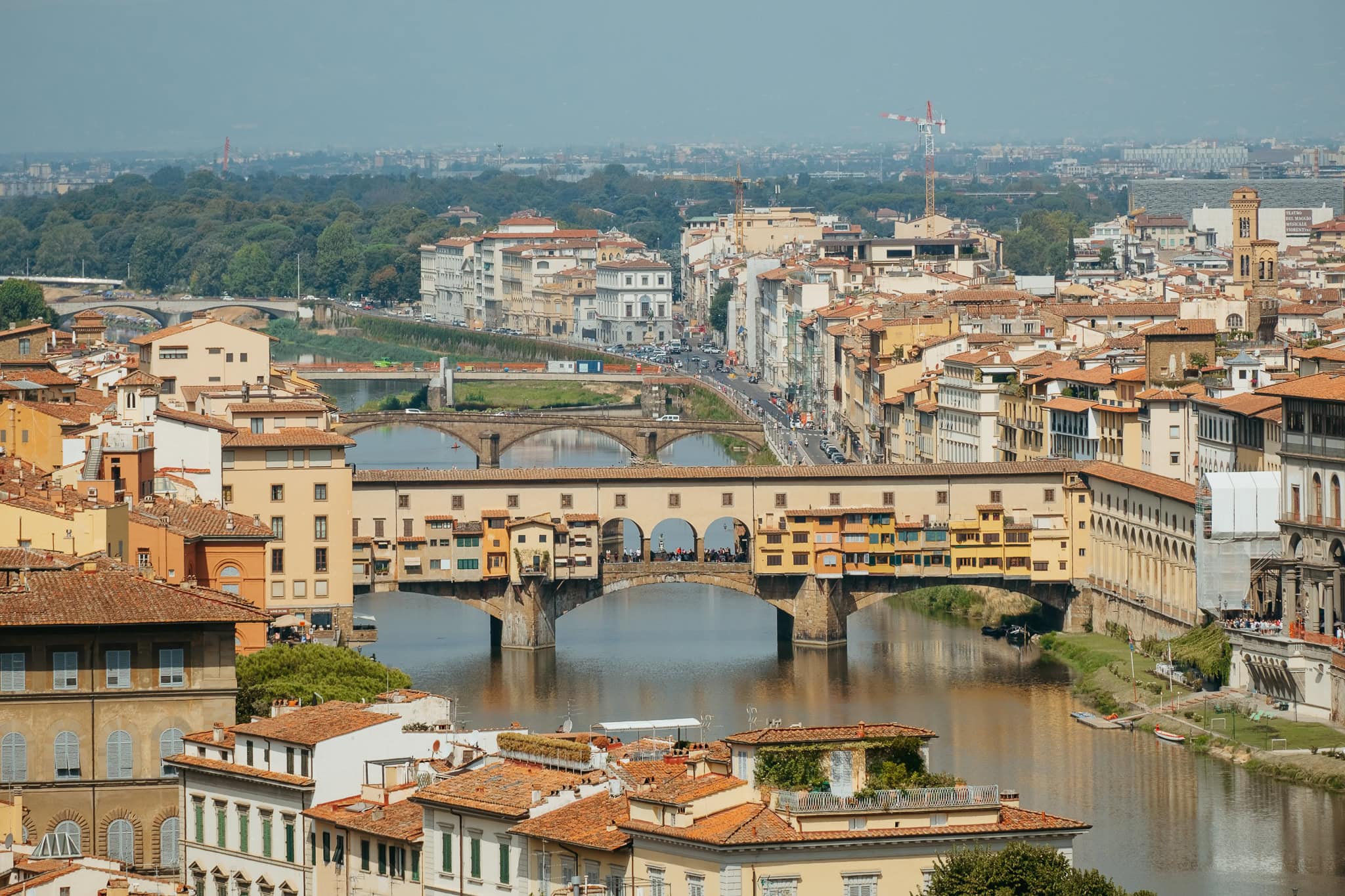
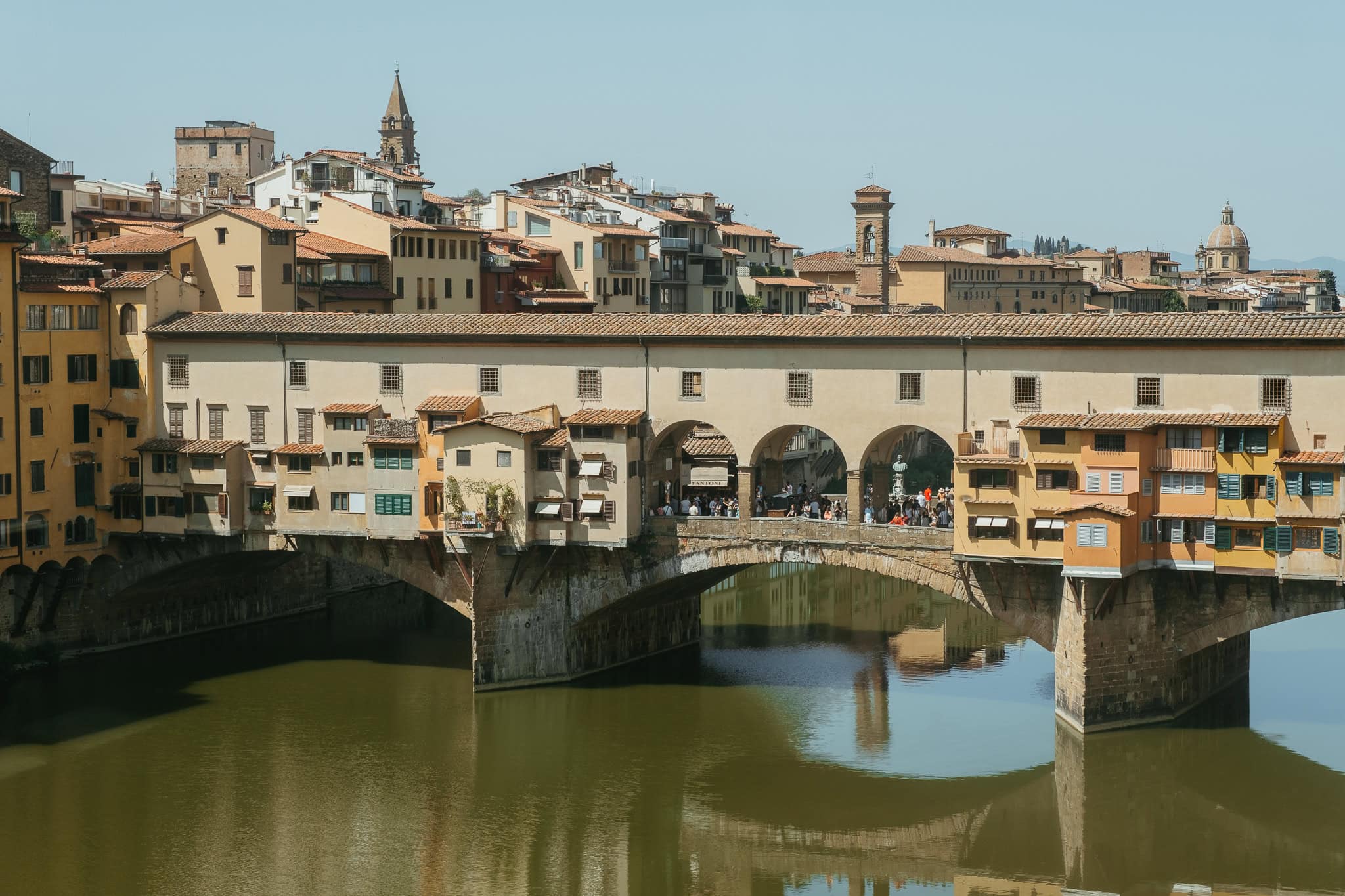
After Arnolfo Tower, walk just a few blocks to Ponte Vecchio, one of Europe’s most famous bridges.
Ponte Vecchio is a covered bridge full of small shops. Above them is the Vasari Corridor — an elevated passageway that connects the Pitti Palace with the Palazzo Vecchio. You’ll experience the Vasari Corridor on day two of this Florence itinerary!
Though in medieval times, Ponte Vecchio was full of smelly shops run by butchers and tanners, it’s now primarily full of jewelers and art dealers. Take some time to walk across the bridge, experiencing the historic structure and appreciating the sparkly gems you could purchase there.
Lunch
At this point, it’s probably about time for lunch — I recommend heading to the nearby Ristorante Toto’, which has a nice cave-like setting that kept me cool despite the blistering August heat outside.
Galleria dell’Accademia
After lunch, head to one of Florence’s many remarkable museums: the Galleria dell’Accademia.
This museum is best known for housing Michelangelo’s statute of David. Be prepared, though: David’s a wildly popular guy, and you should expect huge crowds flooding to the Accademia in order to see him. I still think the museum is worth a visit — on my last visit to the Accademia, I spent almost half an hour just circling David (sometimes sitting on the benches behind him), admiring the way Michelangelo captured the details of his veins and muscles.
Plus, once you’ve had your fill of David, the Accademia has many other rooms that may not be quite so overwhelmed with visitors.


Book your ticket for the Accademia at least a month in advance if you can (or sooner!); they tend to sell out. That’s especially true if you’re visiting in the summer or another high season for tourism, when time slots routinely sell out well over a month in advance. Plan ahead!
If tickets are already sold out by the time you go to book them, you can try purchasing from a reseller like this one:
Duomo Complex
End your day of sightseeing at Florence’s famous Duomo — the Cathedral of Santa Maria del Fiore.
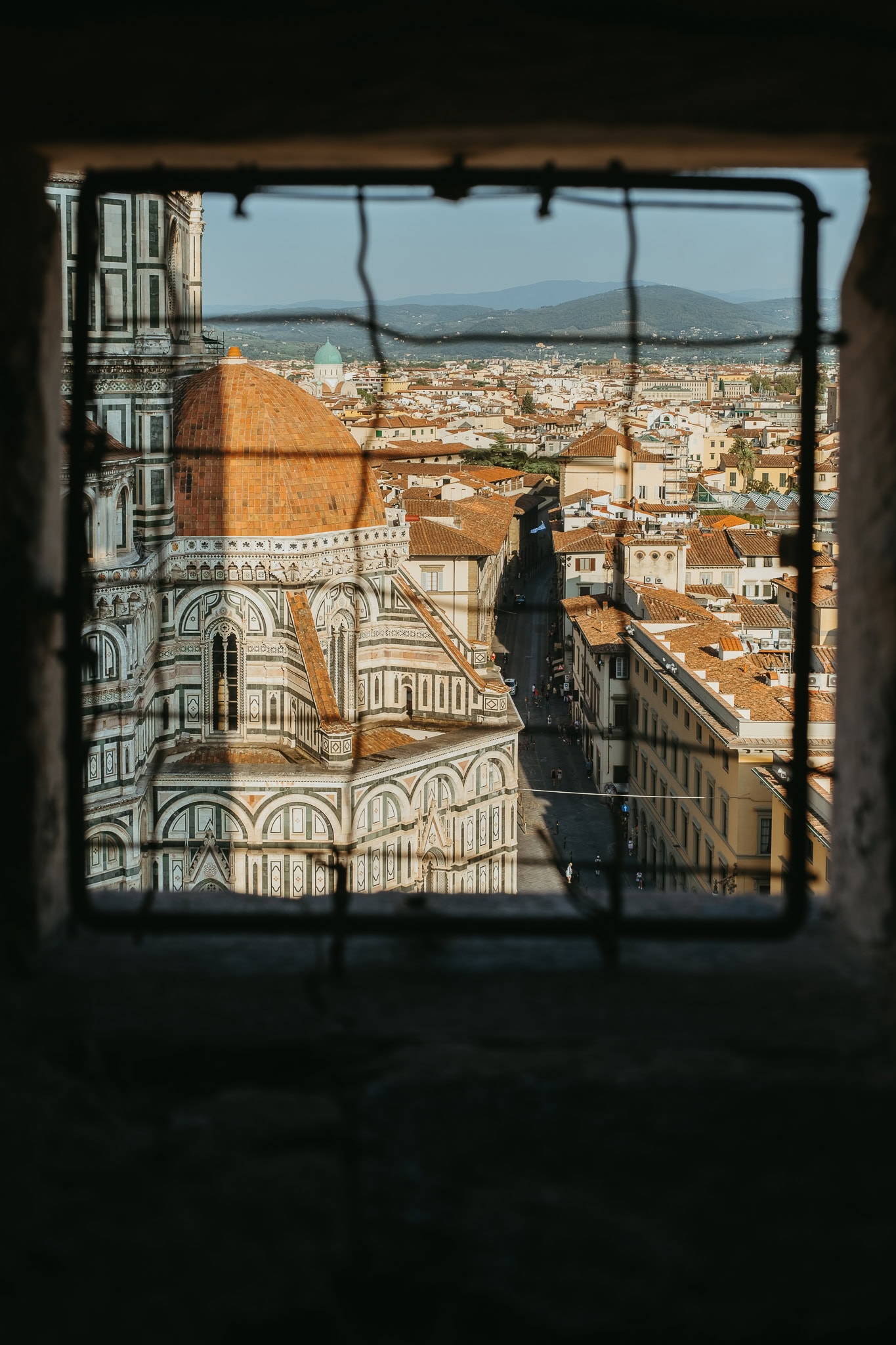
Known around the world for its massive dome, designed by Filippo Brunelleschi, and its marble exterior with intricate patterns of white, green, and pink, the Duomo is unmissable. And I mean that literally — I don’t think it would be possible to visit Florence without seeing the Duomo, even if you tried!
After all, the Duomo is Florence’s tallest building. It towers above most of the city, and you’ll catch glimpses of it as you explore.
But in this case, it’s time to see the cathedral up close and personal. What you see and do specifically is up to you and your interests. You have a number of options for sites you can see at the Duomo complex, including:
- The cathedral interior
- Baptistery
- Brunelleschi’s Dome (climb)
- Giotto’s Bell Tower (climb)
- Santa Reparata
- Opera del Duomo Museum
You can learn much more about each of these sites, as well as ticketing options, here.
The cathedral’s interior is free to visit, but be prepared to wait in line — and be sure to dress modestly, covering your legs to the knee, as well as your shoulders. This is a common expectation while visiting cathedrals in Italy, but in my experience, it is enforced at the Duomo.
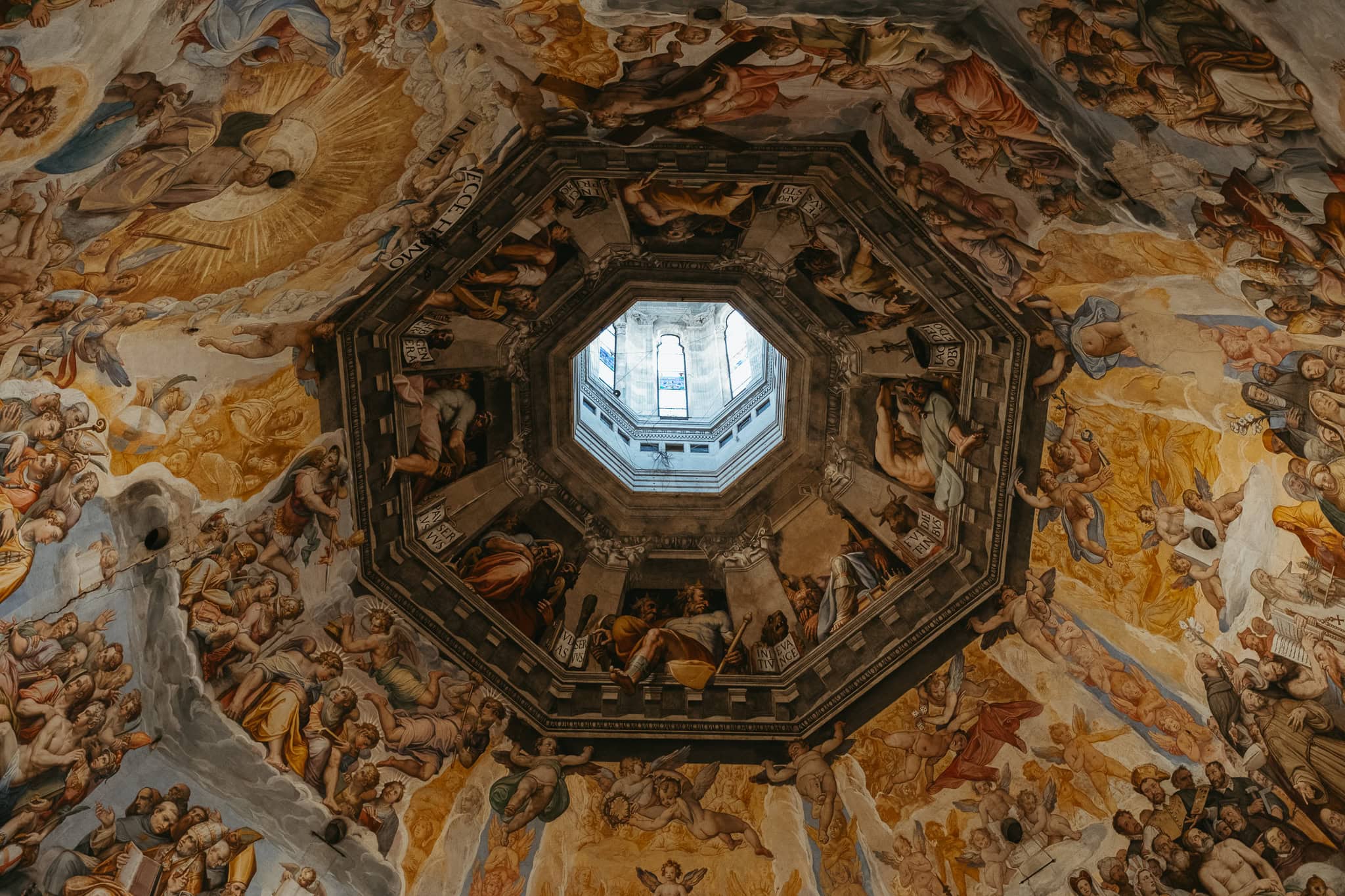
Lower your expectations for the interior of the cathedral; with the exception of the elaborate frescoes on the inside of the dome, it’s surprisingly plain. But it’s worth visiting for the frescoes, which are wild!
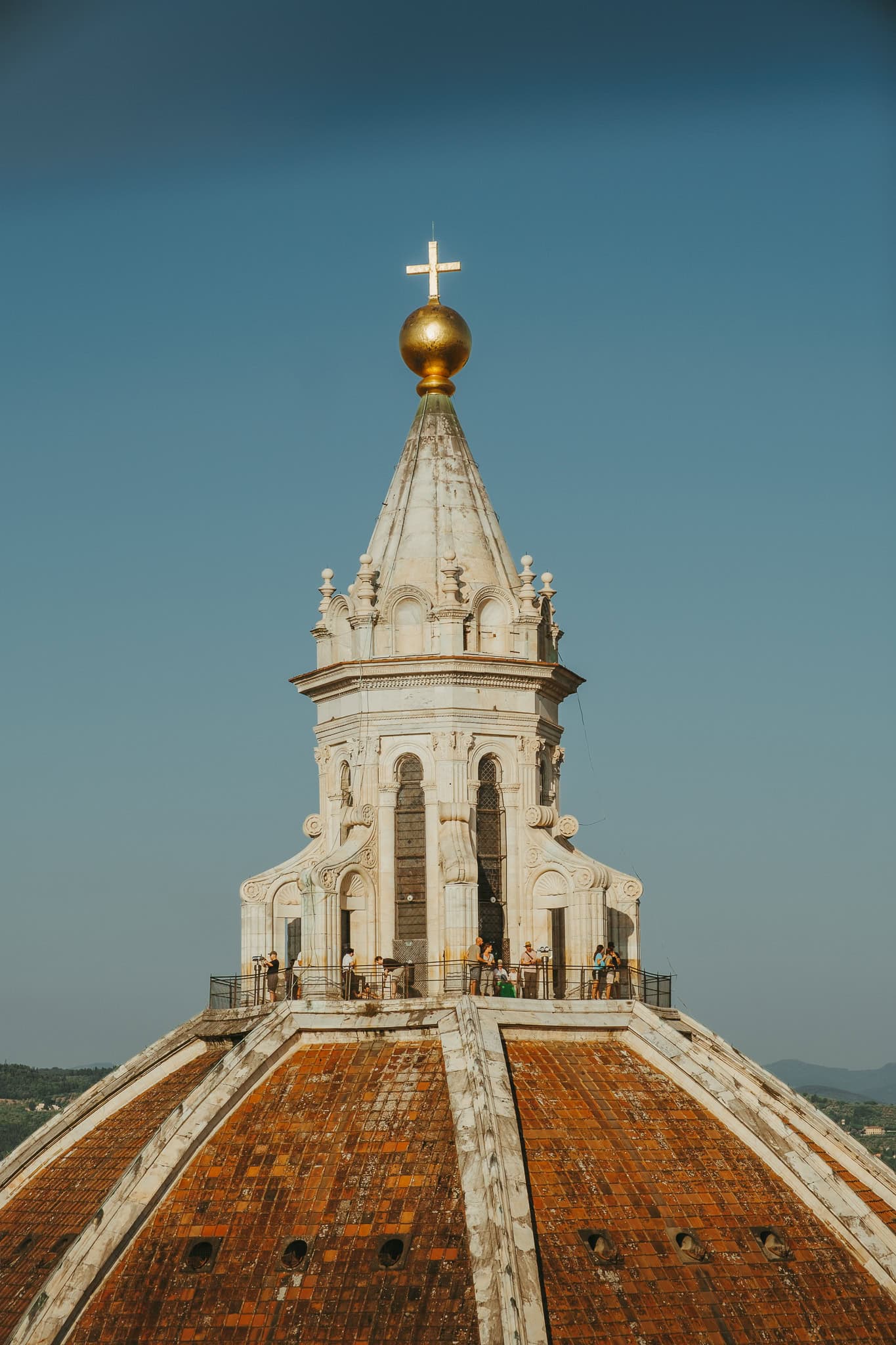
As for the remaining sites: for most people, I recommend buying the Giotto Pass, which will give you access to the Baptistery, Santa Reparata, and the Opera del Duomo Museum, and will let you climb Giotto’s Bell Tower. A lot of people want to climb Brunelleschi’s Dome instead, but I think it’s overrated — I prefer the views from the bell tower, where you can admire the dome!
DAY 2: House of Medici
On your second day in Florence, you’ll dig into the history of Florence’s storied Medici family.
If you’re not already familiar with them, a quick primer: the Medici family had immense wealth and power in Florence for about 300 years during the Italian Renaissance. They are directly responsible for much of the art and architecture that makes Florence so remarkable to this day, having financed the construction of the Duomo and served as patrons to some of the world’s best-known artists and scientists (among them: da Vinci, Botticelli, Michelangelo, Galileo, and many others). They also did a few other things here and there (to say the least), such as, uh, funding the invention of the piano. (No big deal.) All of this in addition to running the city of Florence. And I haven’t even gotten into the Medici members who were literally popes!
Uffizi Gallery & Vasari Corridor
Begin your day at the Uffizi Gallery. This complex was originally built to house the offices of Cosimo I de’ Medici, who was then the Duke of Florence, as well as the family’s collection of Roman sculptures.
Today, the Uffizi is an art museum, and many of the works of art displayed in the museum were once property of the Medici family.
Truth be told, I do think the Uffizi is a bit overrated. It’s the most visited museum in Florence, and it can be very, very crowded, in a way that definitely detracts from the experience.
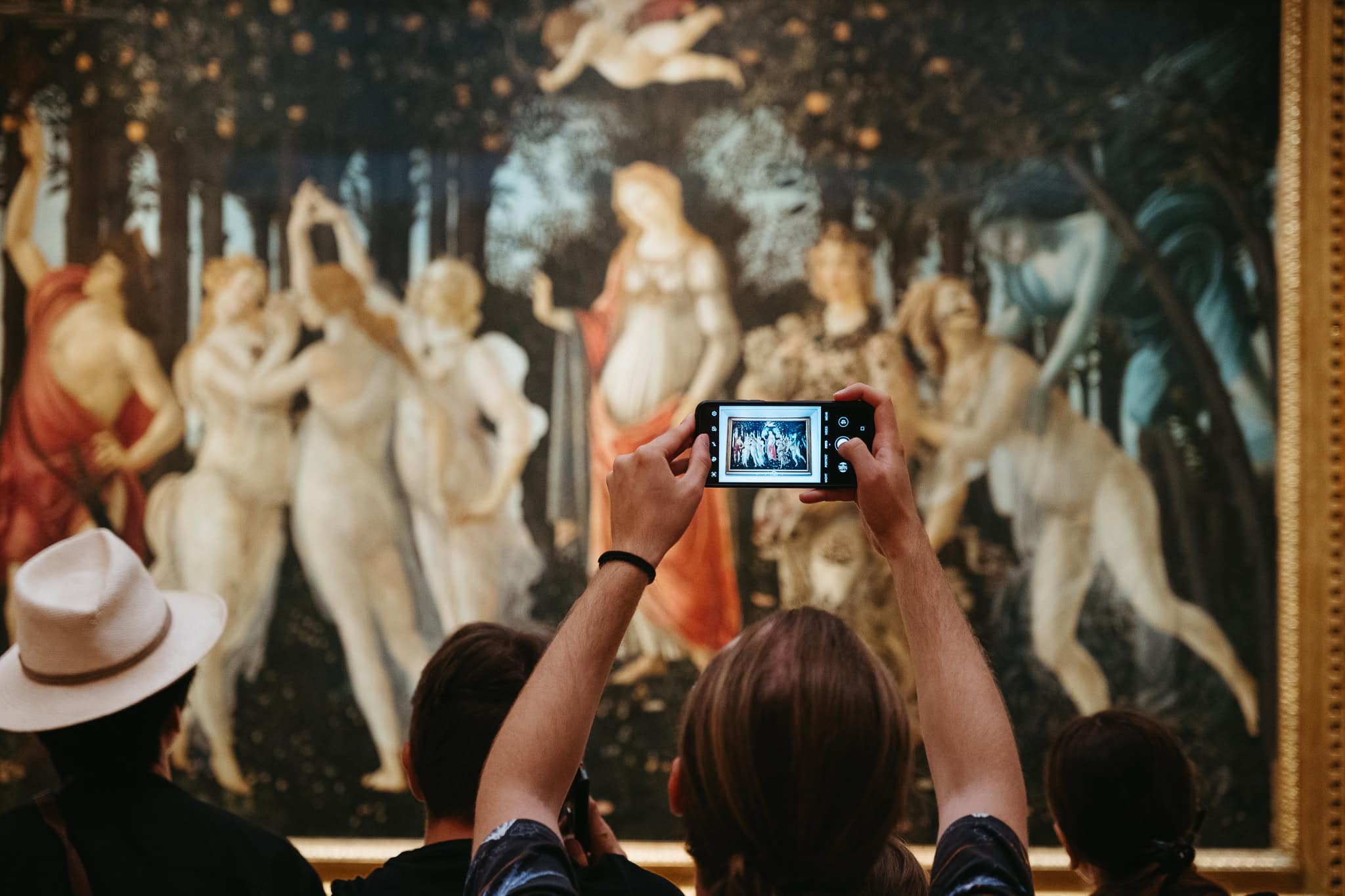
That said, I do still recommend that most visitors to Florence visit the Uffizi at least once — it’s one of the world’s most notable museums, after all, and the Botticelli collection really is remarkable. Just moderate your expectations!
After visiting the Uffizi Gallery, take a tour of the Vasari Corridor — an elevated passageway that connects the Pitti Palace with the Palazzo Vecchio. It even runs across the top of the Ponte Vecchio.
When the Vasari Corridor was built, it was used by members of the Medici family to safely and secretly travel between their home in Pitti Palace to administrative offices in Palazzo Vecchio.
At the end of 2024, the Vasari Corridor reopened after many years of long and expensive renovations. Unfortunately, the Vasari Corridor was still closed during my most recent visit to Florence, but I would definitely purchase access to the corridor on a future visit! I’ve wanted to walk it since I first read Dan Brown’s Angels and Demons, which includes a trip through the corridor.
Currently, the portion of the Corridor between the Palazzo Vecchio and the Uffizi remains closed to visitors. If you purchase a ticket for the Vasari Corridor, you will enter the Corridor on the first floor of the Uffizi, and exit it in the Buontalenti Grotto beside Palazzo Pitti and the Boboli Gardens — walking the Vasari Corridor is a one-way journey. Therefore, you need to visit the Uffizi before walking through the Vasari Corridor.
I strongly recommend buying your tickets for the Uffizi and Vasari Corridor well in advance — particularly if you plan to visit the Vasari Corridor, which has very limited tickets available.
If you don’t manage to get a ticket from the official source before they sell out for your desired date and time slot, you can try a reseller/tour guide like this one:
Pitti Palace
Like I said above, your tour of the Vasari Corridor will end beside the Pitti Palace. So it’s the perfect time to pop inside and take a look!
Pitti Palace, or Palazzo Pitti, is a Renaissance-era palace that once served as the residence for the Medici family.
Today, the Pitti Palace is a huge museum complex displaying paintings, sculptures, and much more (including other objects that belonged to the Medici family). The Pitti Palace also contains the Royal Apartments — the rooms where the Medicis and other ruling families lived — which recently reopened to visitors after years of restoration work.
Personally, I preferred Pitti Palace over the Uffizi, as it was far less crowded and I thought the building itself was more interesting. (A good portion of the Uffizi was being renovated during my last visit, so the comparison might not have been fair!)
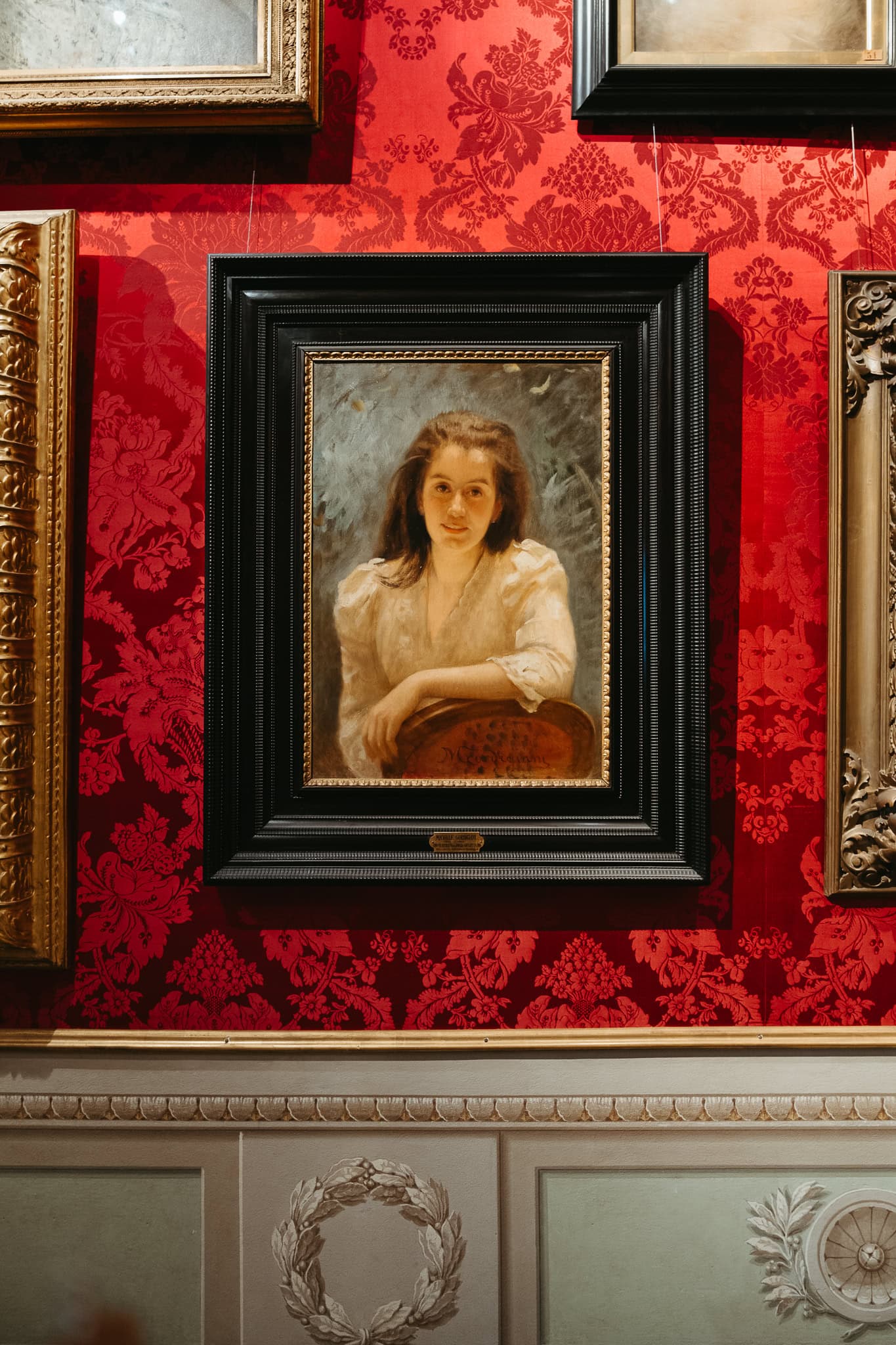
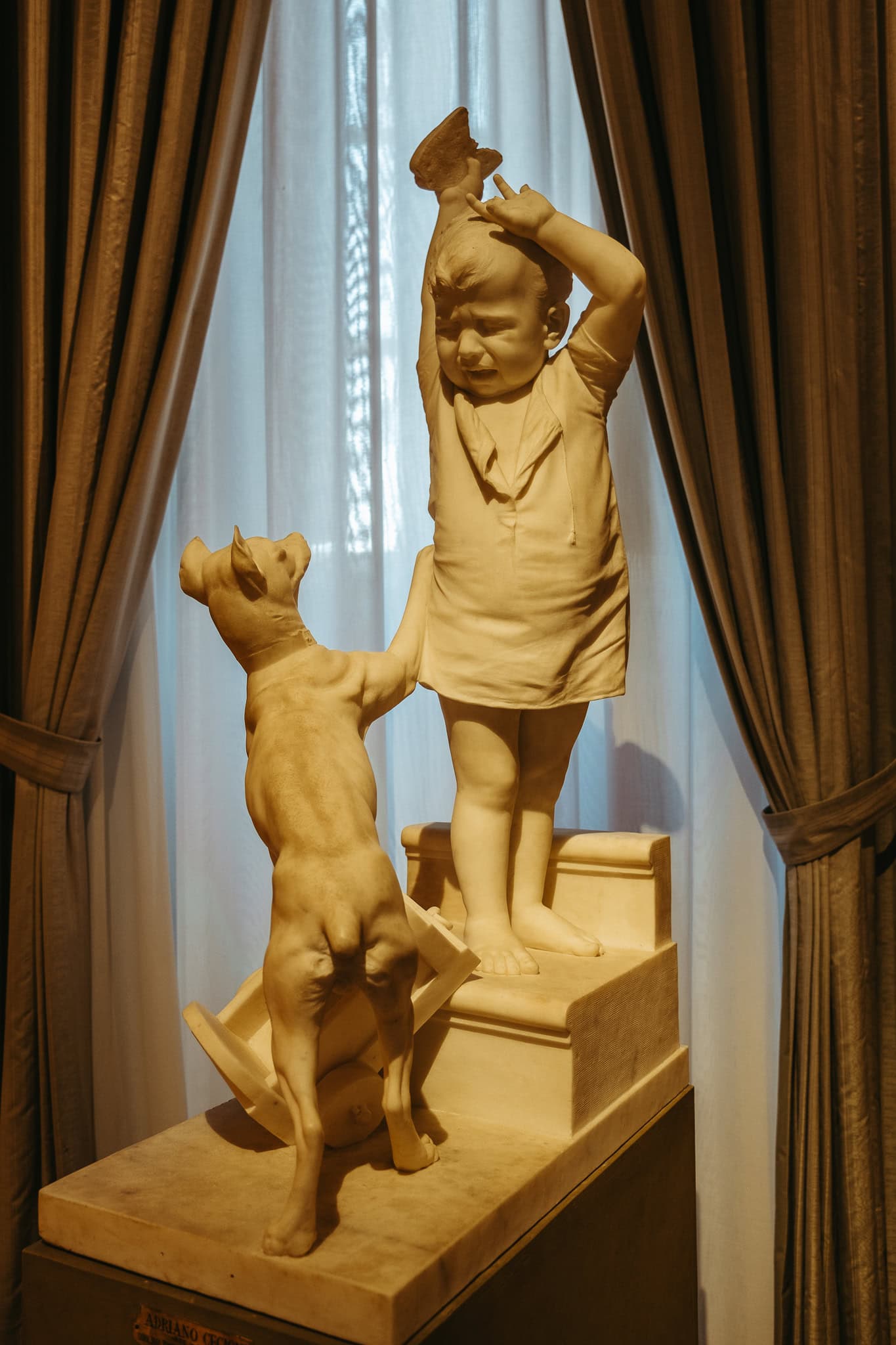
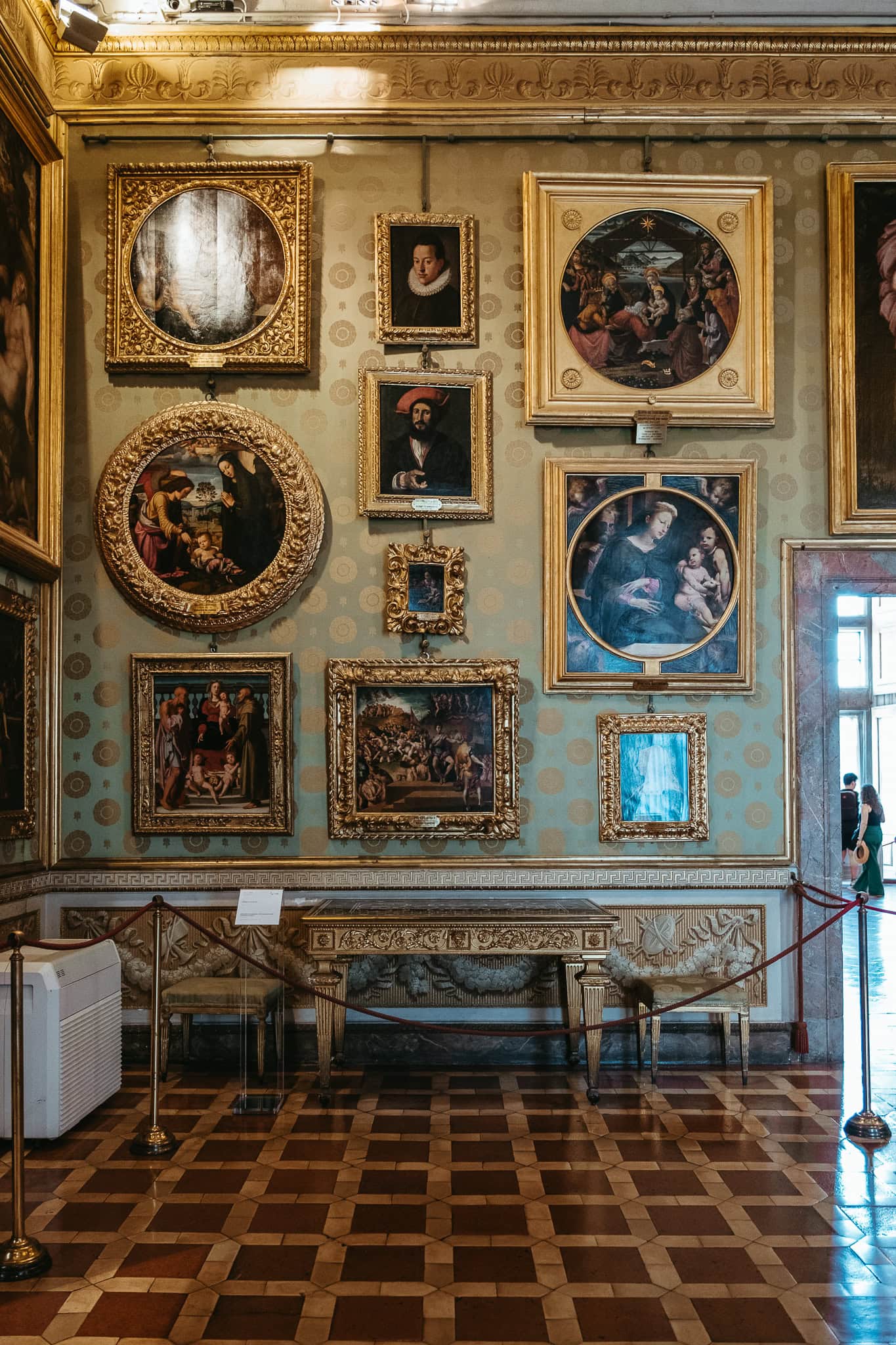
WHAT ABOUT LUNCH? By the time you arrive at Pitti Palace (or certainly by the time you get through it), you might be hungry. Good news: there is a cafe in the Pitti Palace courtyard where you can grab food before or after exploring the palace! The Uffizi also has a cafe (with wonderful views), which might be worth an earlier stop if the timing is right.
Boboli Gardens
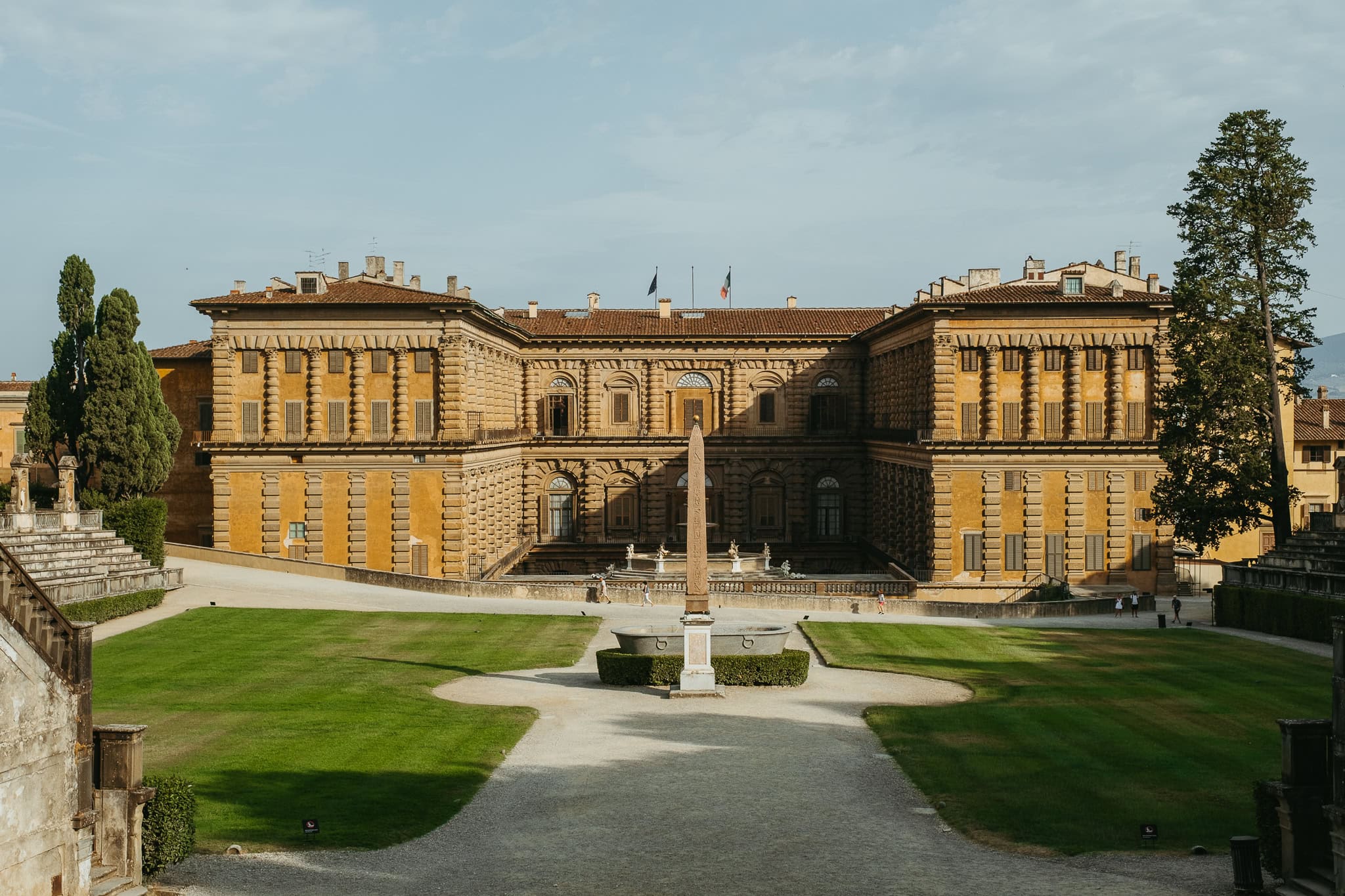
In the late afternoon, take a stroll through the Boboli Gardens, which are directly beside the Pitti Palace.
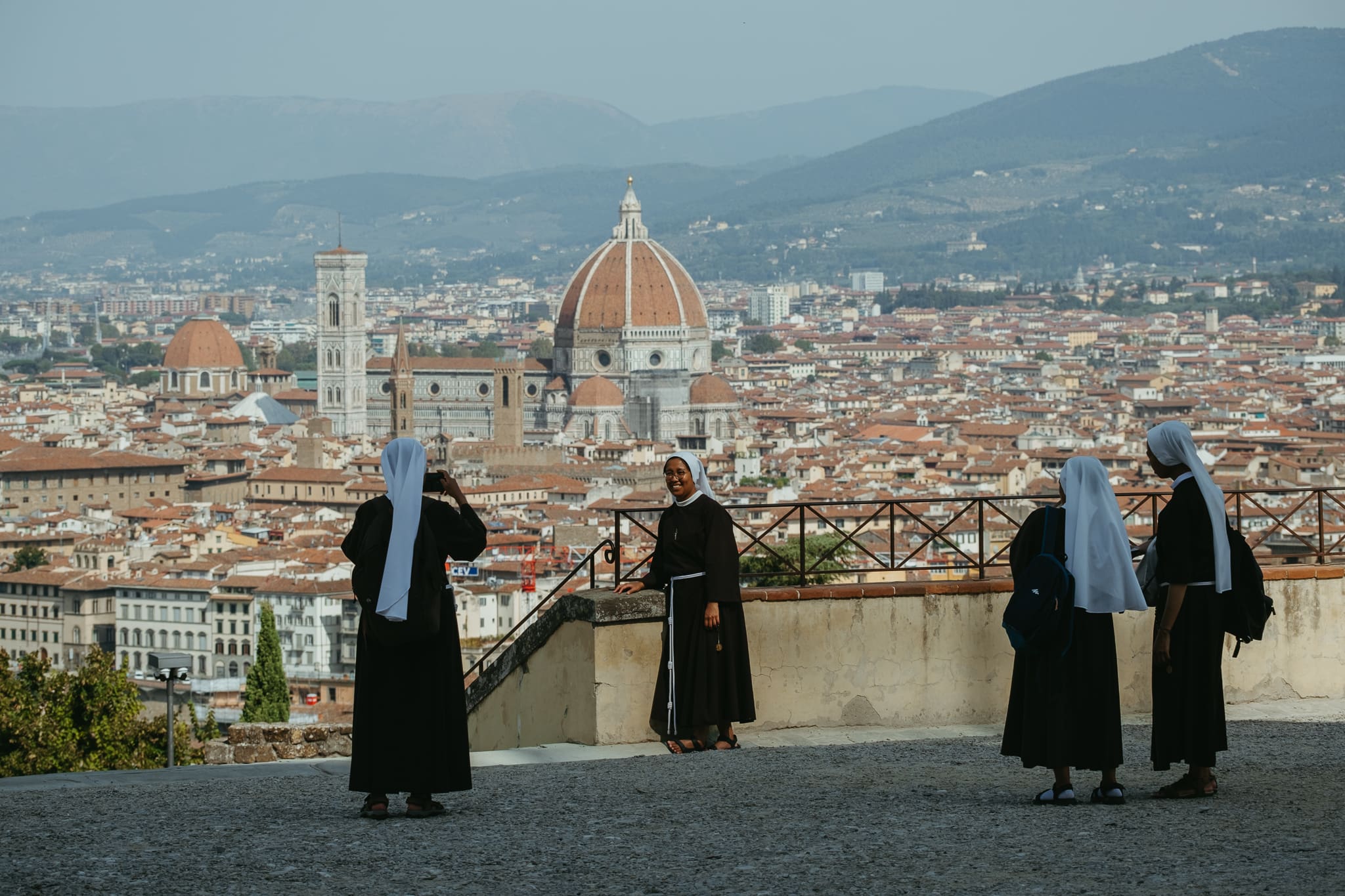
The Boboli Gardens feature fountains, sculptures, thoughtfully designed segments and walking paths, and wonderful views of Florence’s famous Duomo cathedral.
Piazzale Michelangelo
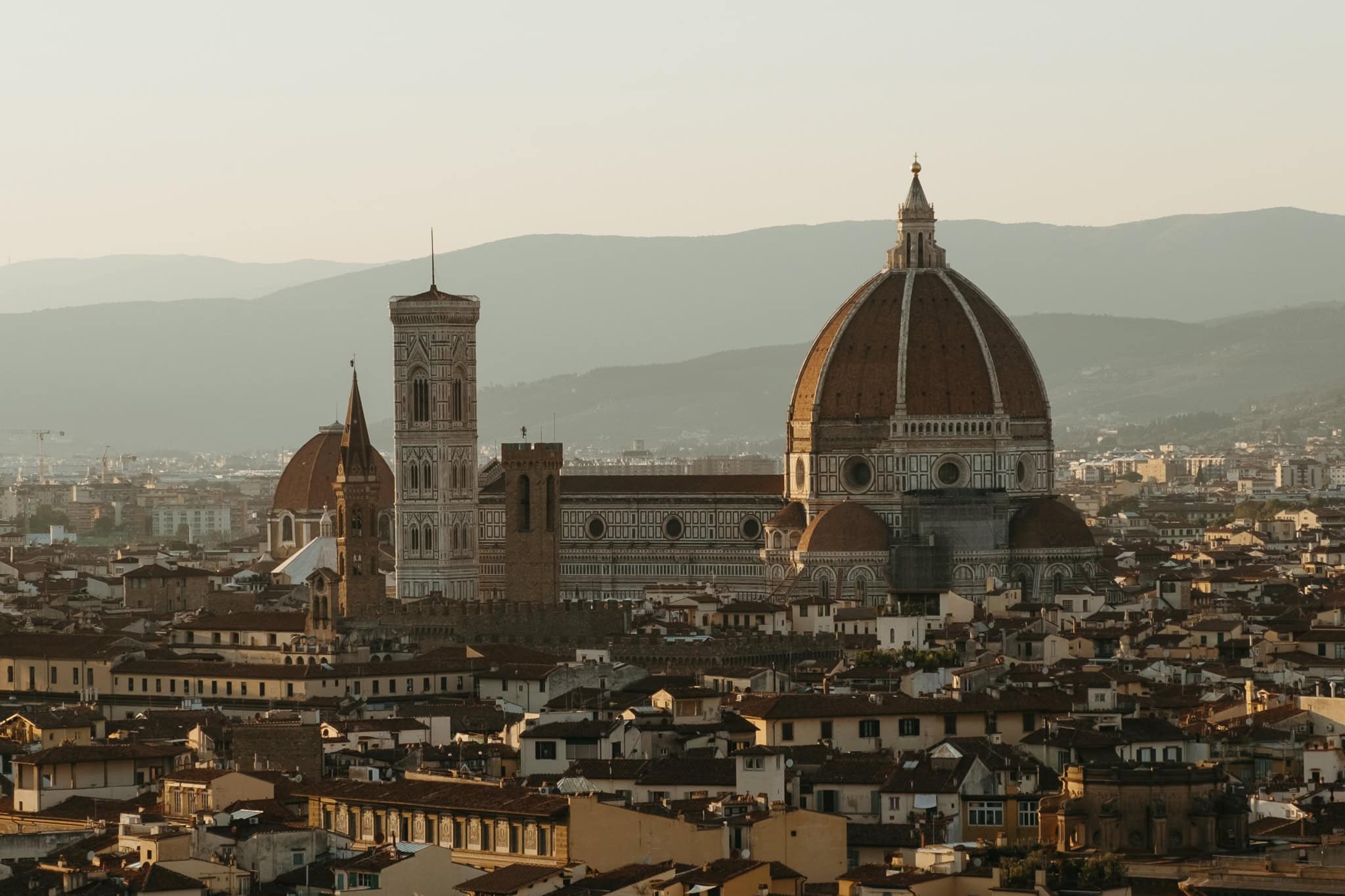
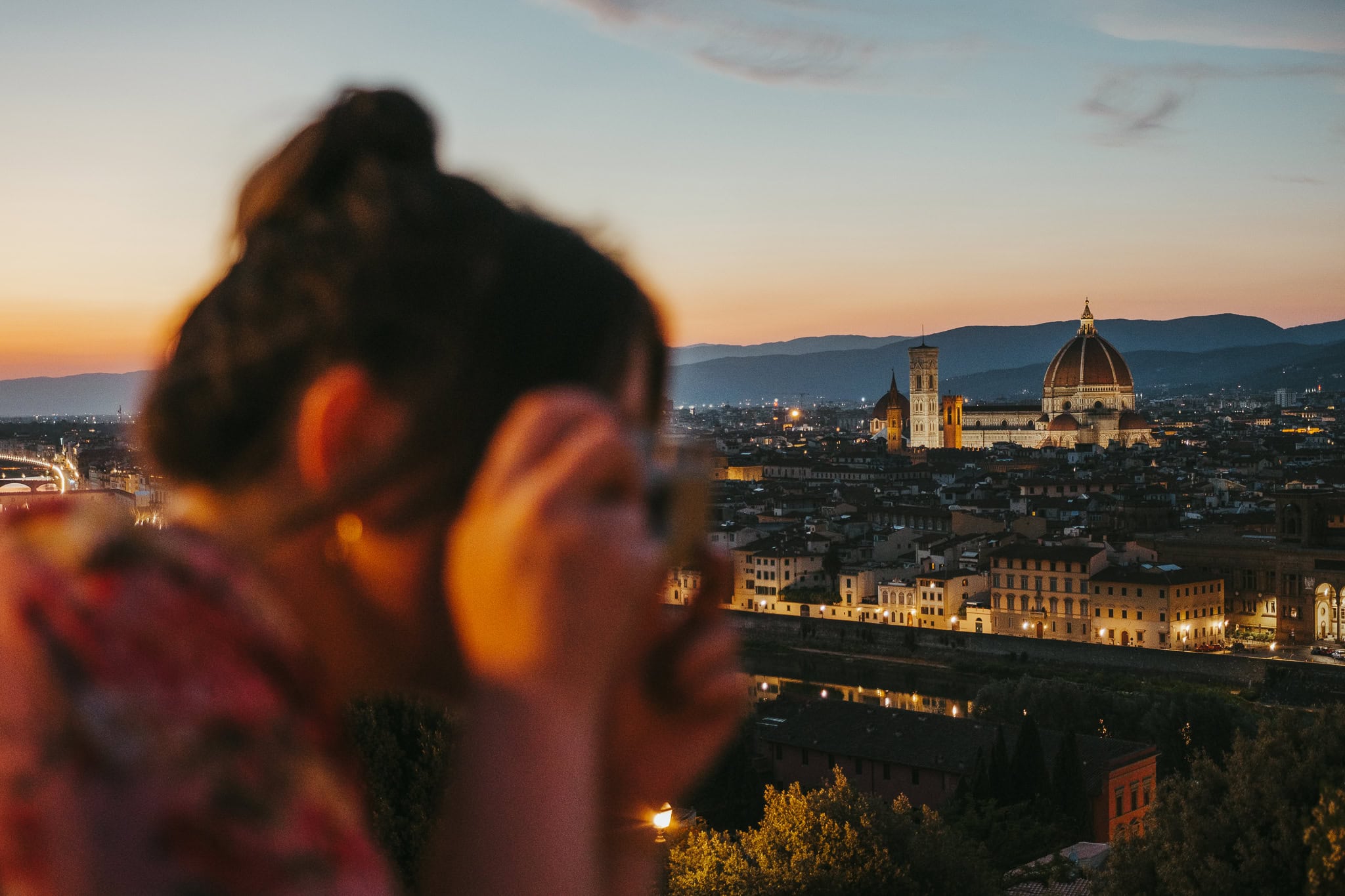
End this busy day at Piazzale Michelangelo, a viewpoint over the city that’s one of the most popular spots to watch the sunset in Florence. That’s for good reason — the view is fantastic — but temper your expectations for the experience. Especially if you are there during the summer, you will be sharing Piazzale Michelangelo with hundreds of other visitors, all jostling for the best viewpoints along the railing. There are also a number of vendors selling all kinds of cheap souvenirs.
Beautiful, yes; peaceful, no.
That said, the presence of many other tourists doesn’t have to be a bad thing! During my last trip to Piazzale Michelangelo, a Spanish choir that was touring Italy gathered together on the plaza and joyfully sang several songs as the sun plunged toward the horizon, to the delight of those of us standing near them.


DAY 3: Underappreciated Gems
After yesterday’s busy day of famous museums and sights, day 3 in Florence is all about quieter, underappreciated gems.
Santa Croce
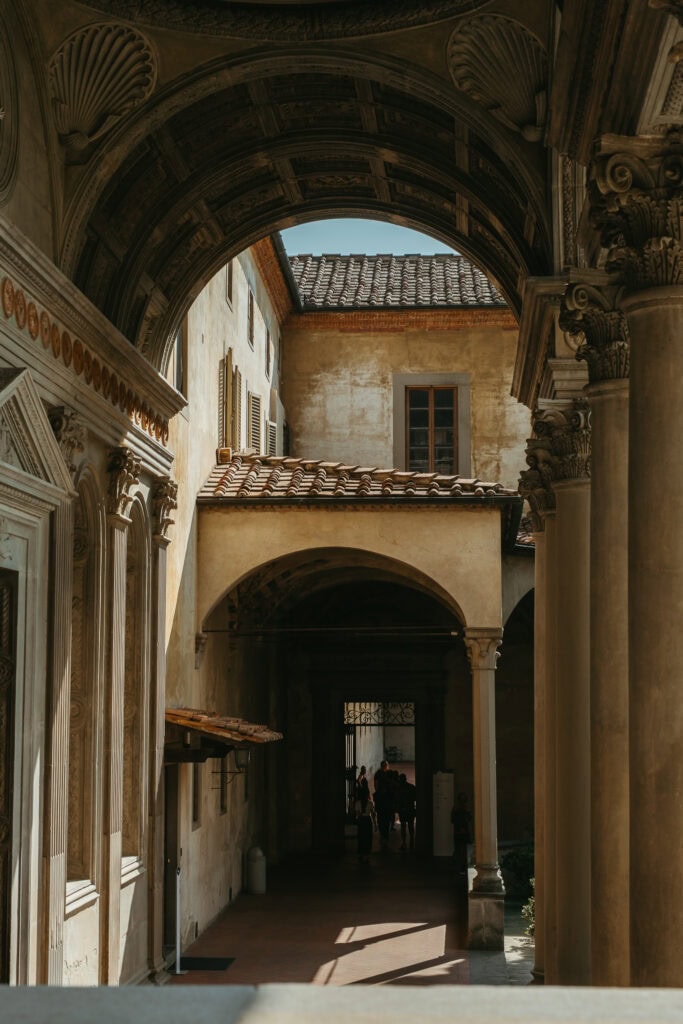
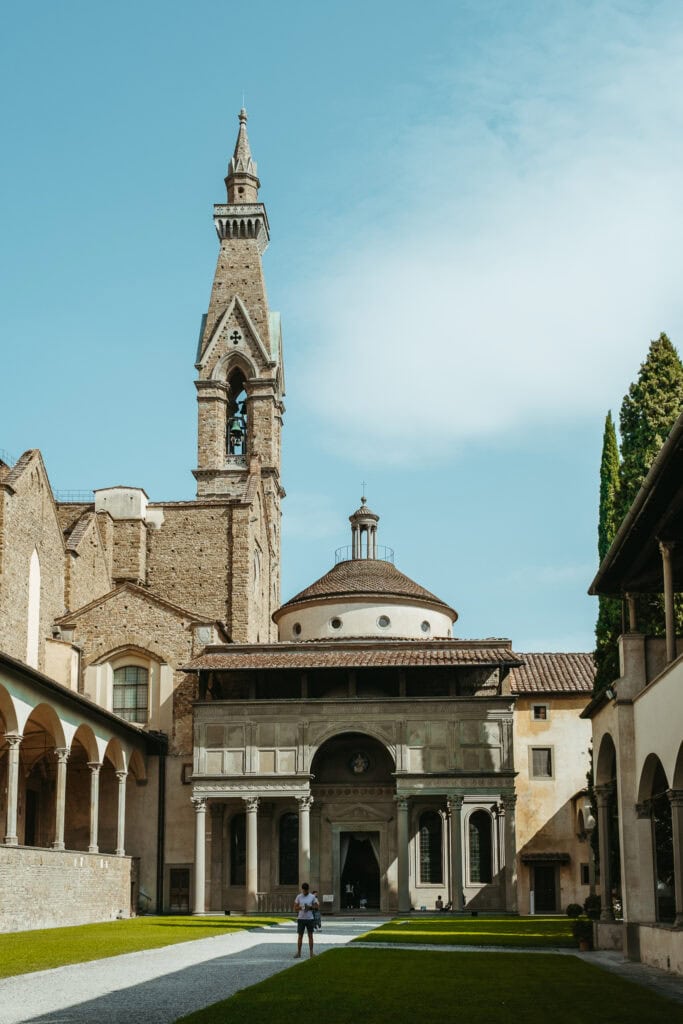
Start your day at Santa Croce, one of the most notable churches in Florence. It’s best known for holding more than 200 graves, many of them some of Italy’s most famous historical figures — including Michelangelo, Galileo, Machiavelli, Rossini, and others.
In addition to the gorgeous cathedral and its world-famous, uh, permanent residents, Santa Croce is known for its cloisters, which are well worth a wander.

Lunch
For lunch, head to the nearby La Buchetta — my favorite restaurant in Florence (so far)! During my last visit to Florence, my friend and I lingered there for hours, sharing appetizers, plenty of wine, and fabulous dishes. The gnocchi is excellent, but the Florentine steak I saw at the next table over looked pretty great too.
Wander!
I’m a big fan of having some unstructured time in a travel itinerary, and this 3-day Florence itinerary is no exception. Sure, when I visit a new city, I want to see all the famous sights…but I also want some time to follow my whims and explore whatever seems interesting in the moment.
And I recommend that you do the same! Spend a few hours pursuing whatever sounds good. Want to sit in a cafe and enjoy an afternoon drink? Perfect. Want to shop for artisan leather goods (something Florence is known for)? Awesome. Eager to find every wine window in Florence (they’re exactly what they sound like!) and figure out where to buy the best glass of wine out of a little window in the street? Love it.
Palazzo Strozzi
To wrap up your sightseeing in Florence, head to Palazzo Strozzi — a former palace that now primarily serves as an art museum.
In contrast to the Renaissance-heavy Uffizi and Palazzo Pitti, the Strozzi tends to exhibit much more modern art, and works by living artists. When I visited the Strozzi, they were featuring fascinating work by Chinese painter Yan Pei-Ming.

A big plus of the Strozzi — particularly after you’ve experienced uber-popular museums like the Uffizi — is that it’s way quieter. Like…waaaaaaaaaaay quieter. During my visit, perhaps a dozen other people were wandering through the galleries. I loved it!
If you have more time…
If you have more than 3 days in Florence, or find yourself with some additional time to kill, here are my top recommendations for more things to consider seeing or doing:
Visit the mosaic museum. The Opificio delle Pietre Dure (which is included in the Uffizi Passepartout ticket) is full of absolutely gorgeous mosaics, as well as an exhibit about how they are crafted. I love this museum and think it’s a true hidden gem of Florence!


Visit Palazzo Vecchio. I’ve already recommended that you climb Arnolfo Tower, which stands above Palazzo Vecchio, but you could also tour the main building itself! Among other things, you’d see the Hall of the Five Hundred, which featured prominently in the movie Inferno.
Admire the views from Chiesa di San Salvatore al Monte. This church on a hill is another underappreciated gem. My friend and I actually attended mass here, even though neither of us are Catholic, and found it to be a beautiful setting for a religious service. Plus, the views from outside the church are fantastic.
Where to Stay in Florence
During my last trip to Florence, I stayed near the train station at Affittacamere Z&I. This was great for the days of arrival and departure — I could easily walk with my bag between my lodging and the train station — but the main sights of the city were a bit further away. On future trips, I’ll probably try to stay closer to the historic center and accept that I need to take a bus or a taxi to get to my lodging from the train station.
For other lodging options in Florence, consider the following:
BUDGET | Hotel Esperanza is super affordable even though it’s just a few minutes’ walk from many of the locations in this itinerary.
COMFORT | Just a few steps away from Ponte Vecchio, Porcellino Gallery Art Boutique BB features beautiful refurbished rooms in a 16th-century building — plus breakfast.
LUXURY | Some of the rooms at the fantastic San Firenze Suites & Spa include Duomo views — or even private terraces!
3-Day Florence Itinerary: Interactive Map
Below is a map with the locations included in this itinerary. To use this map during your own trip to Florence, click the star next to the map’s name (which saves the map to your account). You can then find and use the map from your Google Maps app by going to “Saved,” then “Maps.”
Final Thoughts
Florence is one of the most popular destinations in Italy, and for good reason. With spectacular art, architecture, views, and more, it’s a fantastic place to spend three days.
I hope this post helps you plan the perfect 3 days in Florence. Still have questions about what to do in Florence? Leave a comment or send me a message — I’d love to help!
More Information About tuscany and ITALY
ITINERARIES | Learn how to spend one week in Tuscany, 10 days in Florence, Pisa, and Cinque Terre, 10 days in Rome, Florence, and Venice, or two weeks in Italy (COMING SOON!).
FLORENCE | Read about how to spend one day in Florence, learn about the city’s Brunelleschi Pass and Uffizi Passepartout, and find out which of the city’s most famous towers you should climb.
SAN GIMIGNANO | Discover how to spend one day in San Gimignano (COMING SOON!) and where to find the best views of the city.
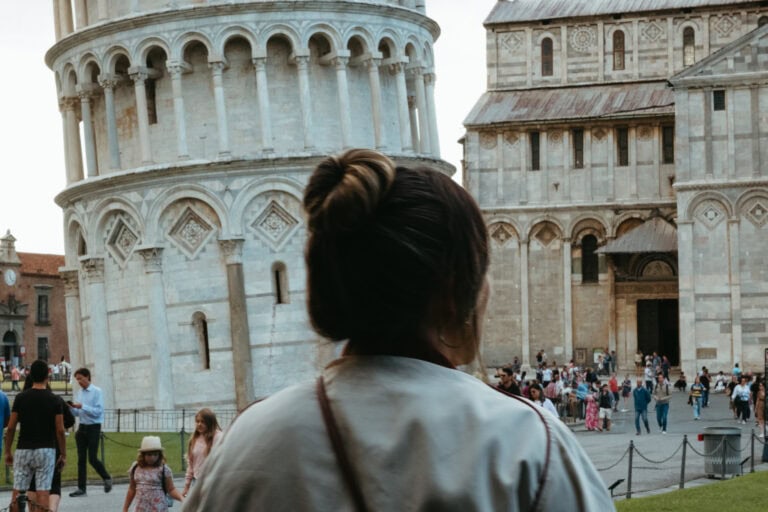
PISA | Discover what you need to know about visiting the Leaning Tower of Pisa (and more!).
SIENA | Find out how I spent one unforgettable day in Siena.
COSTS | Here’s how much I spent for one month in Italy.
pin this post