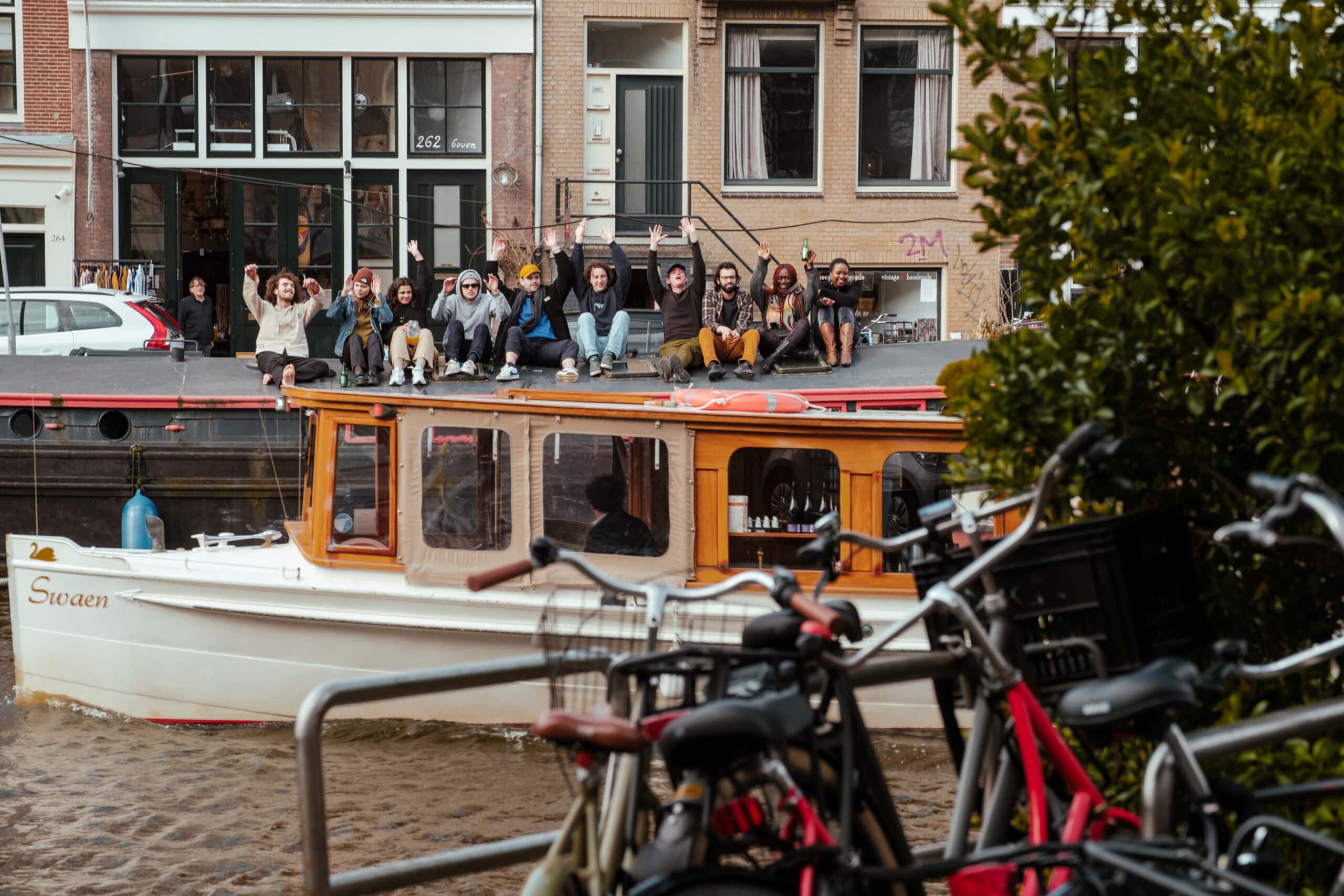
10 Things to Do During Your First Time in Amsterdam
With a heady combination of culture, history, and unique architecture, Amsterdam is one of the world’s most vibrant cities. You could spend months exploring every museum and meandering down each beautiful canal.
I, unfortunately, had just a few days to explore on my first trip in Amsterdam, but I discovered a wealth of wonderful things to do. This list is like a sampler platter of the city — the perfect collection of things for a first-time visitor to Amsterdam to do for a great overview of what Amsterdam has to offer.
Here are 10 things to be sure to do during your first time in Amsterdam!
TIP: This map contains many of the locations referenced in this blog post. To save it to your own Google Maps account, click the star next to the map’s name. You can then find and use the map from your Google Maps app by going to “Saved,” then “Maps.”
This post contains affiliate links. If you make a purchase or a booking through one of these links, I may receive a small commission at no extra cost to you. Thanks for supporting In Old Cities in this way!
1. Try to Find the Best Apple Pie
Amsterdam is famous for its apple pie, which is often served in its equally famous brown cafes — historic pubs with cozy decor and, sometimes, tobacco-stained wallpaper.
Spend a few afternoons in Amsterdam trying to identify the best apple pie in the city. It’s a tough job, but someone’s got to do it!
Personally, my favorite cafes were Cafe Papeneiland and Cafe de Poort. I thought the apple pie at Cafe de Poort was better, but Cafe Papeneiland was a little more charming (and better located).
Notably, Papeneiland has a door that leads to a hidden tunnel where, centuries ago, Catholics secretly entered a church during the days when Catholicism was outlawed in Amsterdam. (These days, that door — which you can see on your way down to the restrooms — sits quietly behind boxes of supplies for the cafe.)
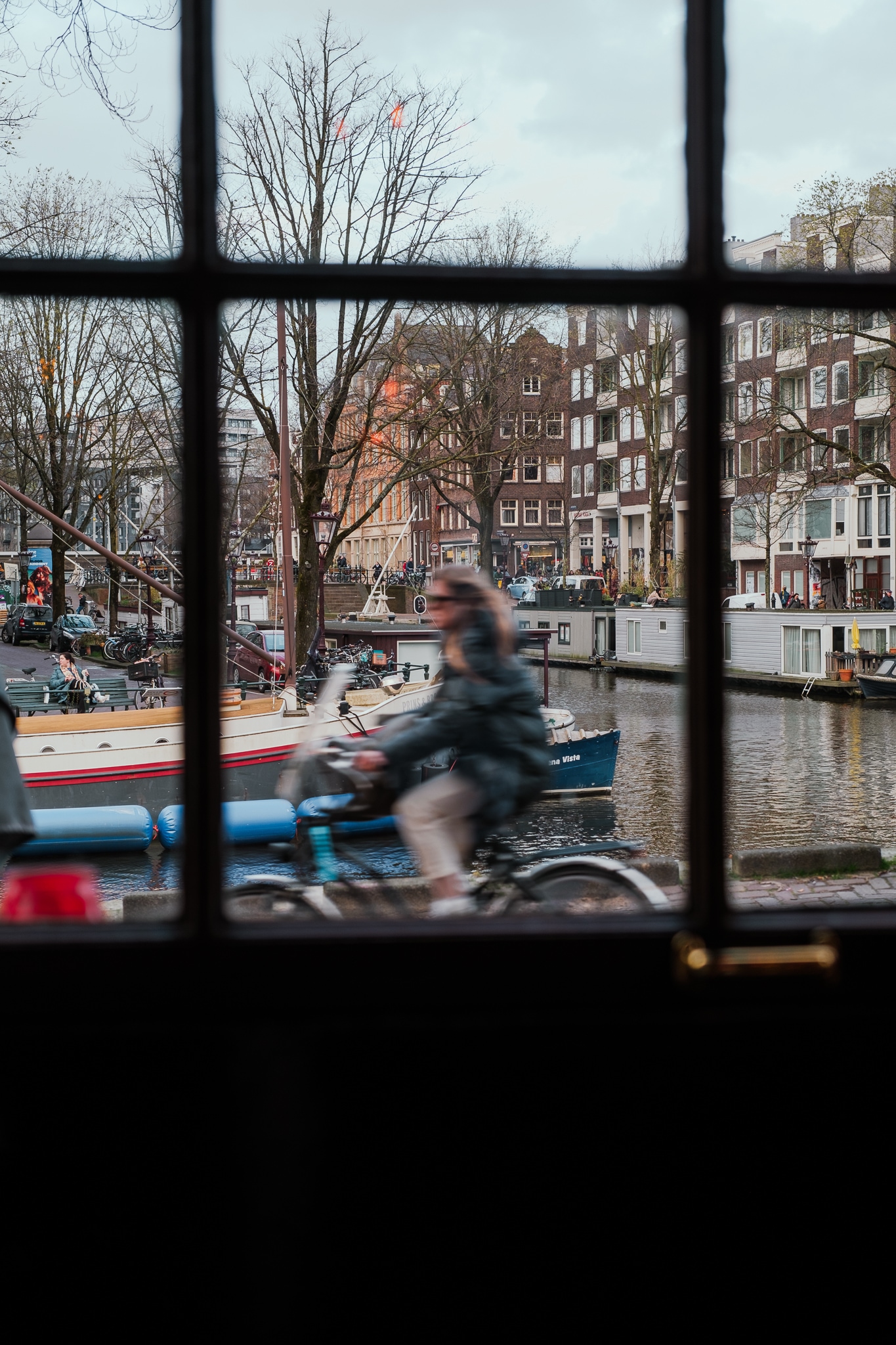

That said, Cafe de Poort was also a lovely place to wait out an afternoon downpour. While enjoying the delightful apple pie, I listened to some Dutchmen belting along to the local classics playing in the cafe — and a few American classics, too. (Who would have guessed that the men of Amsterdam were such fans of “Wichita Lineman”?)
Lots of people also rave about the apple pie at Winkel 43, though every time I walked past, the line looked eternally long. Head there on a weekday well before happy hour for your best chance to get a table.
2. Visit a Hidden Church
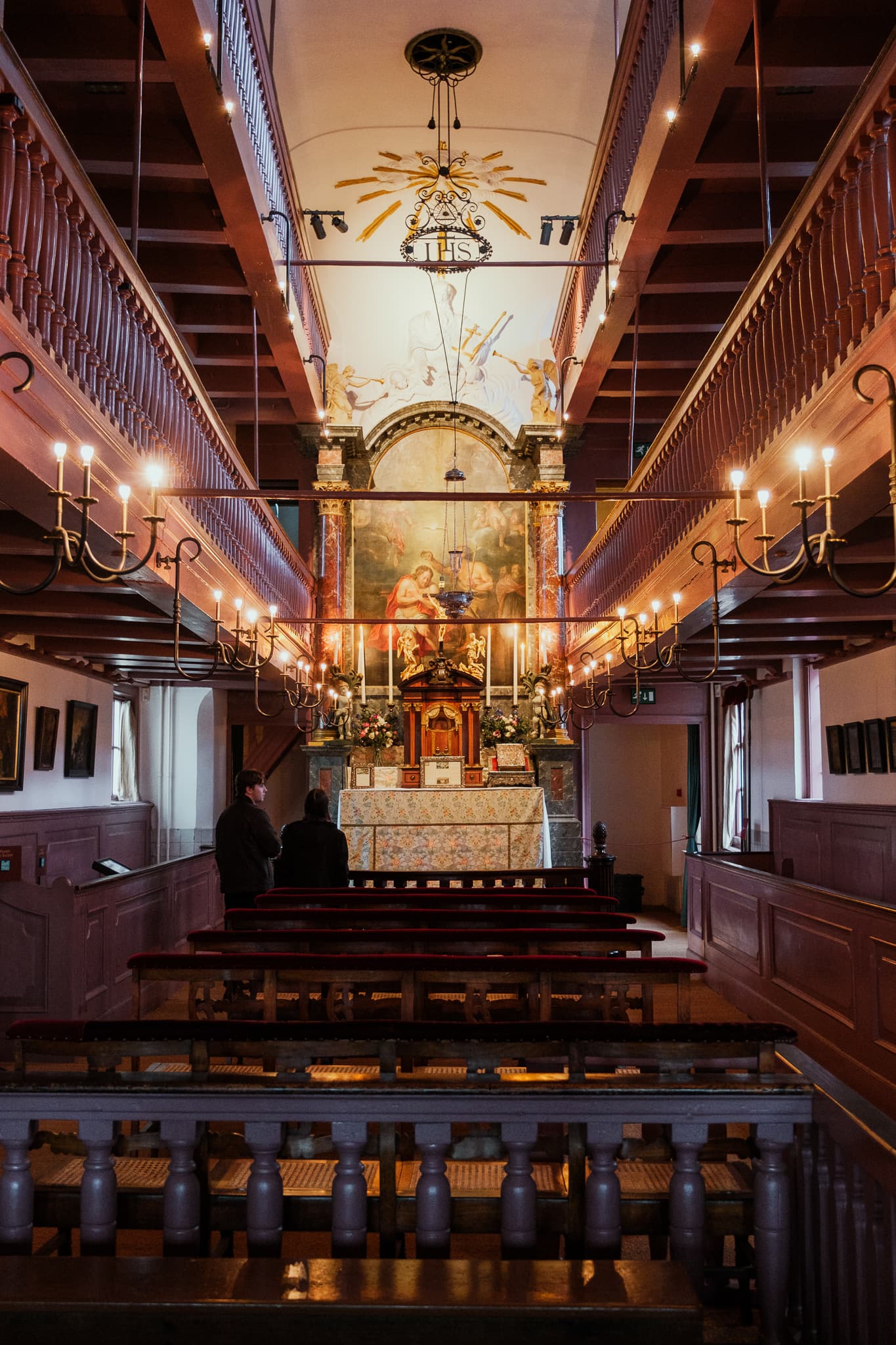
During the Protestant Reformation in the 16th and 17th centuries, Catholicism was actually outlawed in Amsterdam. Catholics, however, continued to gather for worship — they just had to do it secretly.
Accordingly, there were a number of hidden Catholic churches, which looked like normal houses from the outside, but in fact held churches on the inside.
Today, you can visit one of these churches at Our Lord in the Attic Museum. A ticket costs €16.95 (€7.50 for kids) and gives you access to a self-guided audio tour that will lead you through the lower floors of the home and then up into the church, which occupies the upper floors.
Catholics weren’t the only ones discriminated against in Reformation-era Amsterdam — Anabaptists, including Mennonites, were also barred from worshipping openly. You can find an example of a hidden Anabaptist church at Singelkerk, which is still used as a Mennonite church today!
3. Visit a Not-So-Hidden Church
Of course, Amsterdam also has many beautiful churches that were never hidden, either because they have been Protestant for centuries or they were built after Catholicism was reinstated in the city.
Here are a few of my favorites:
Basilica of St. Nicholas
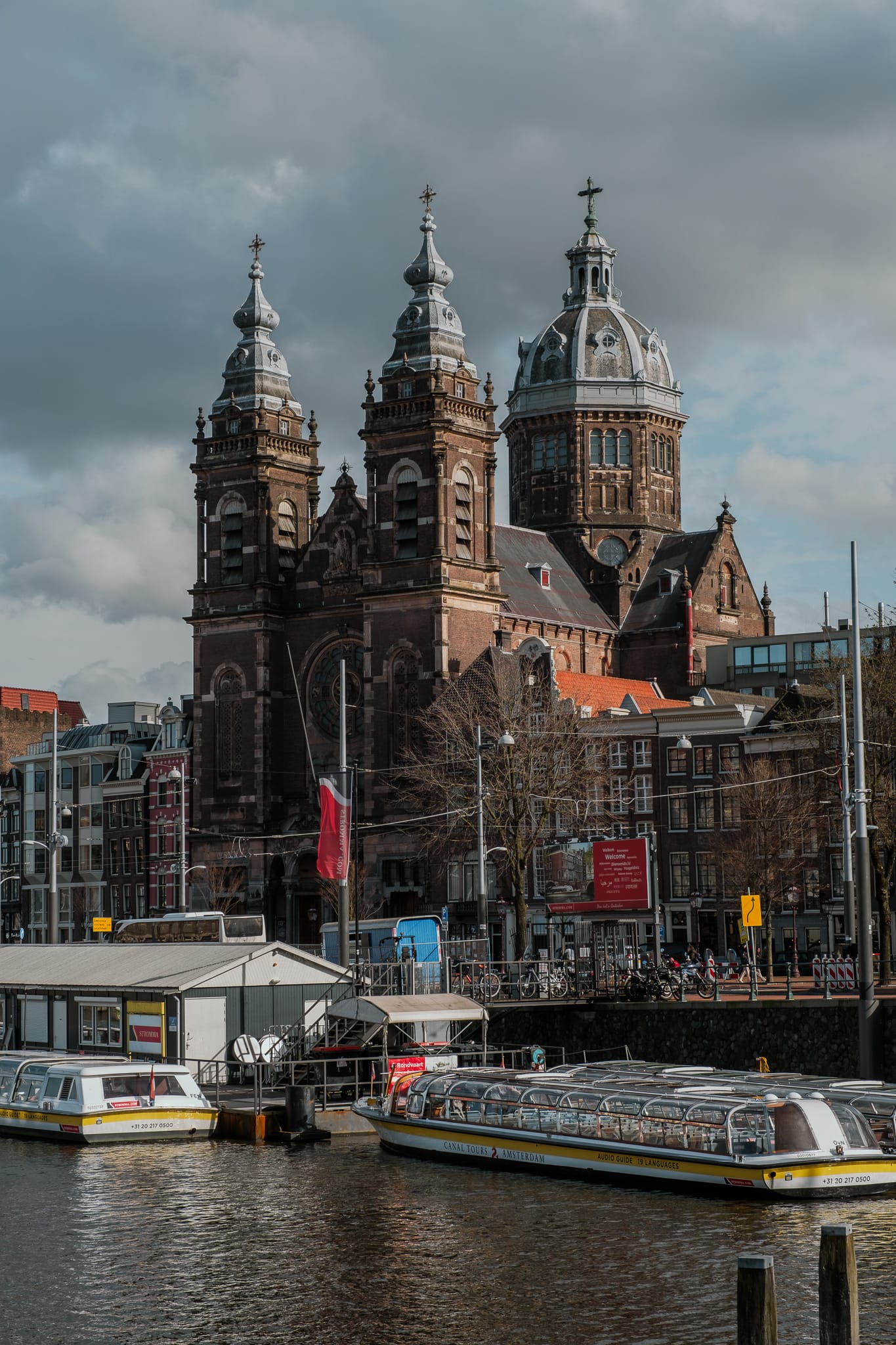
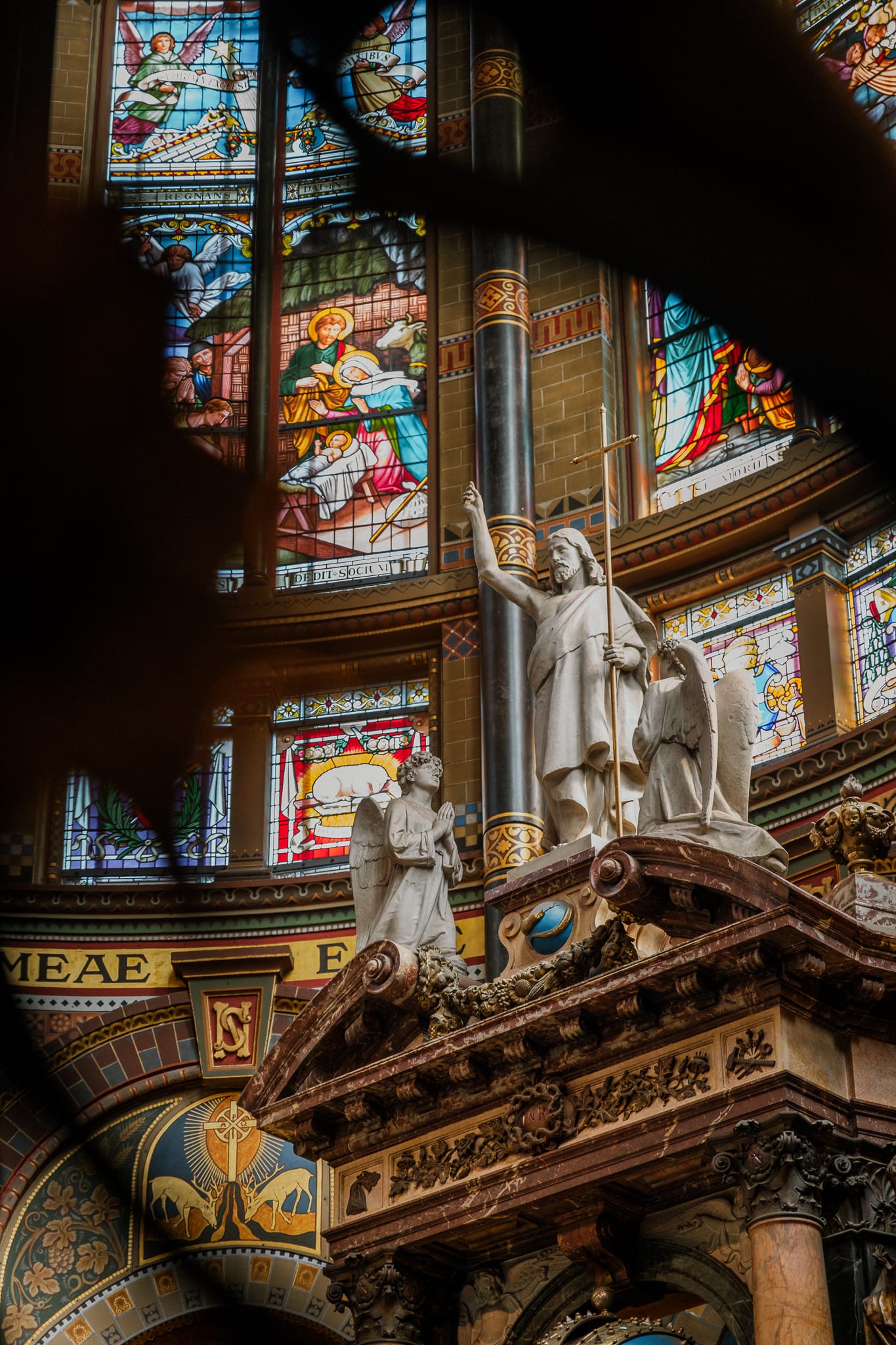
The Basilica of Saint Nicholas, which was built in the 19th century, is Amsterdam’s main Catholic church. It’s prominently located near the city’s central train station and features a massive, ornate dome.
Heads up that the basilica has very limited hours for visitors (12 pm to 3 pm Mondays through Saturdays), so be sure to plan around the opening hours if visiting the basilica is a priority for you.
De Krijtberg
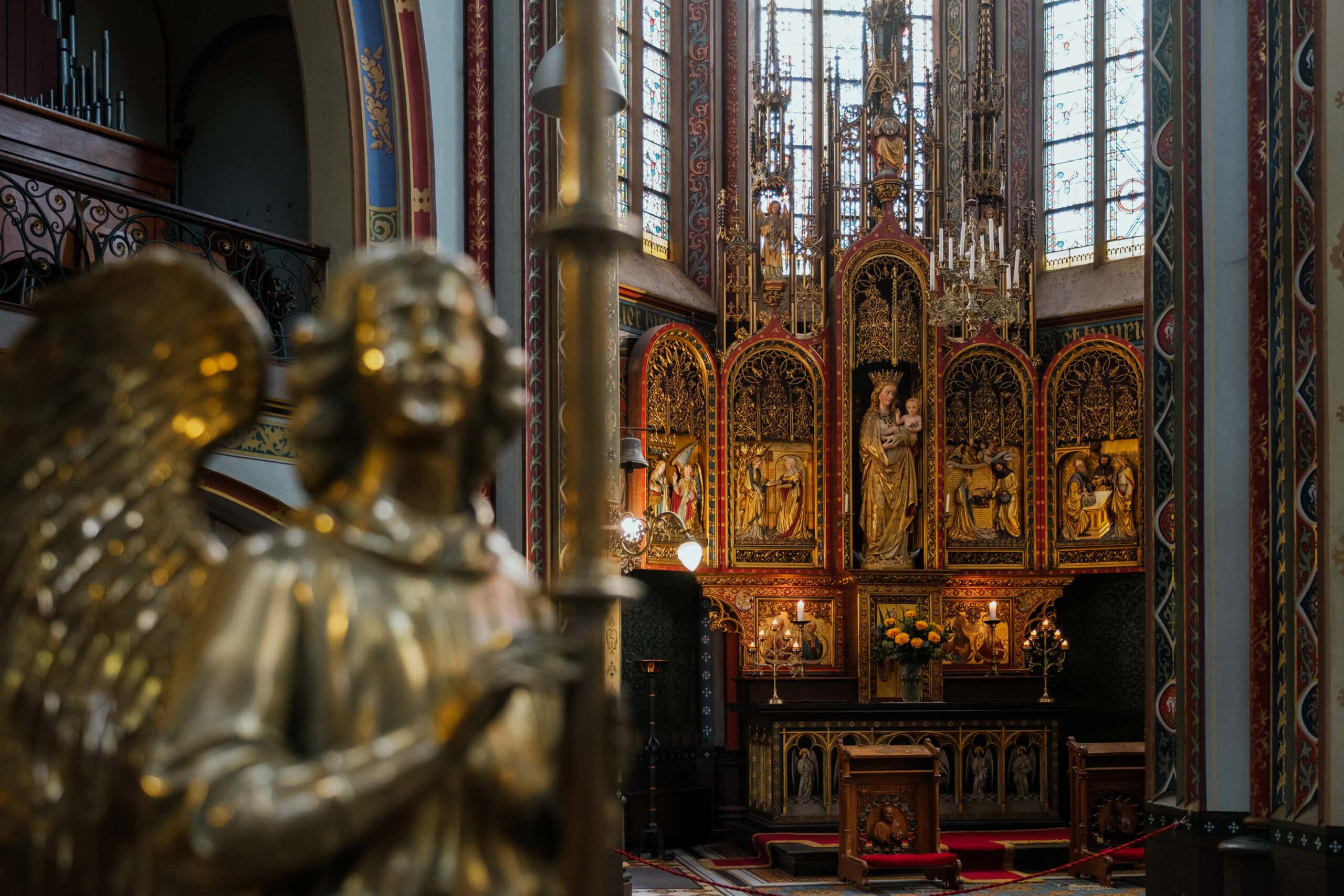
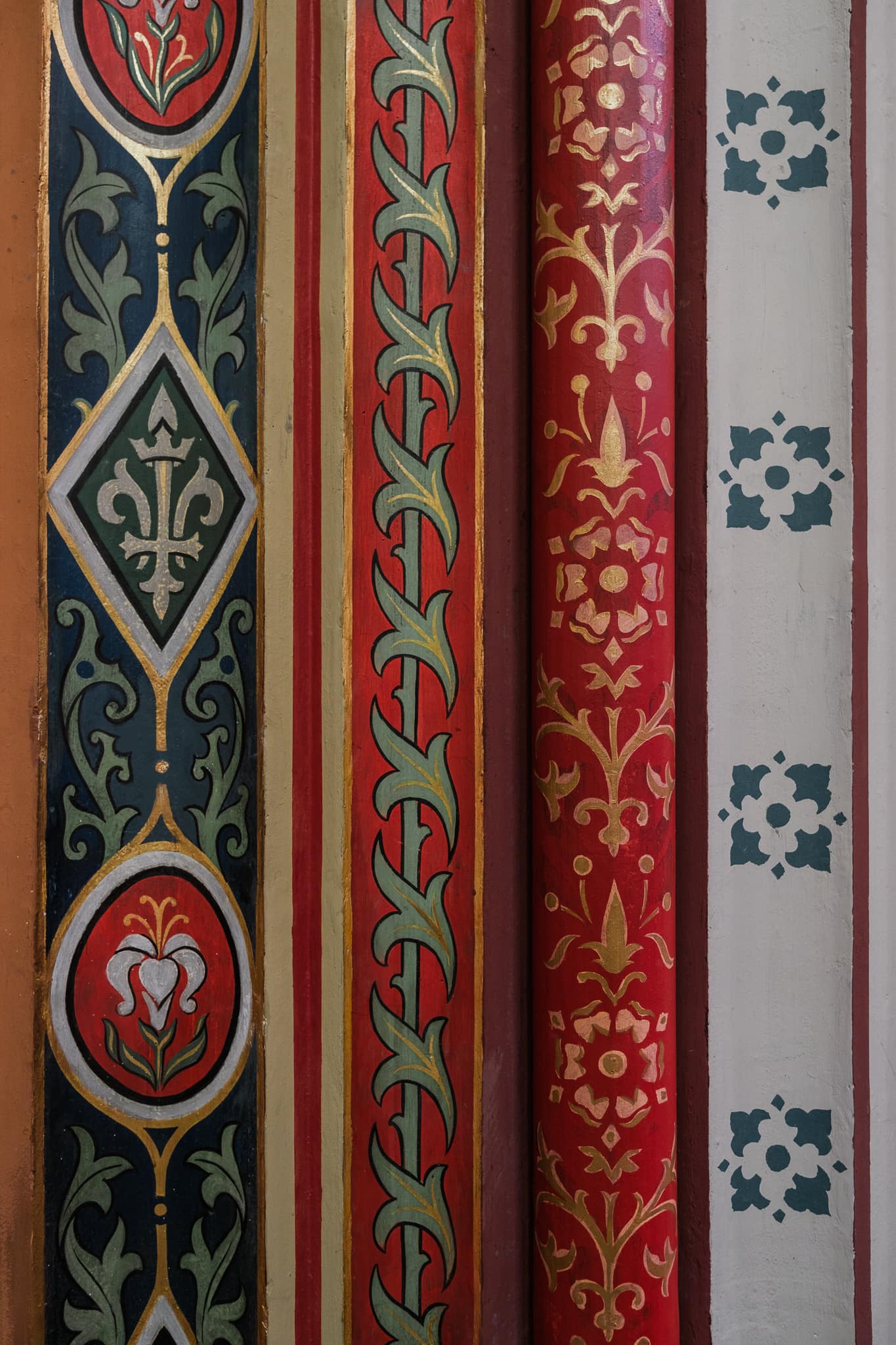
De Krijtberg is a smaller Catholic church on the Singel canal. It’s best known for its spectacularly colorful painted interior, by Hans Mengelberg.

Oude Kerk
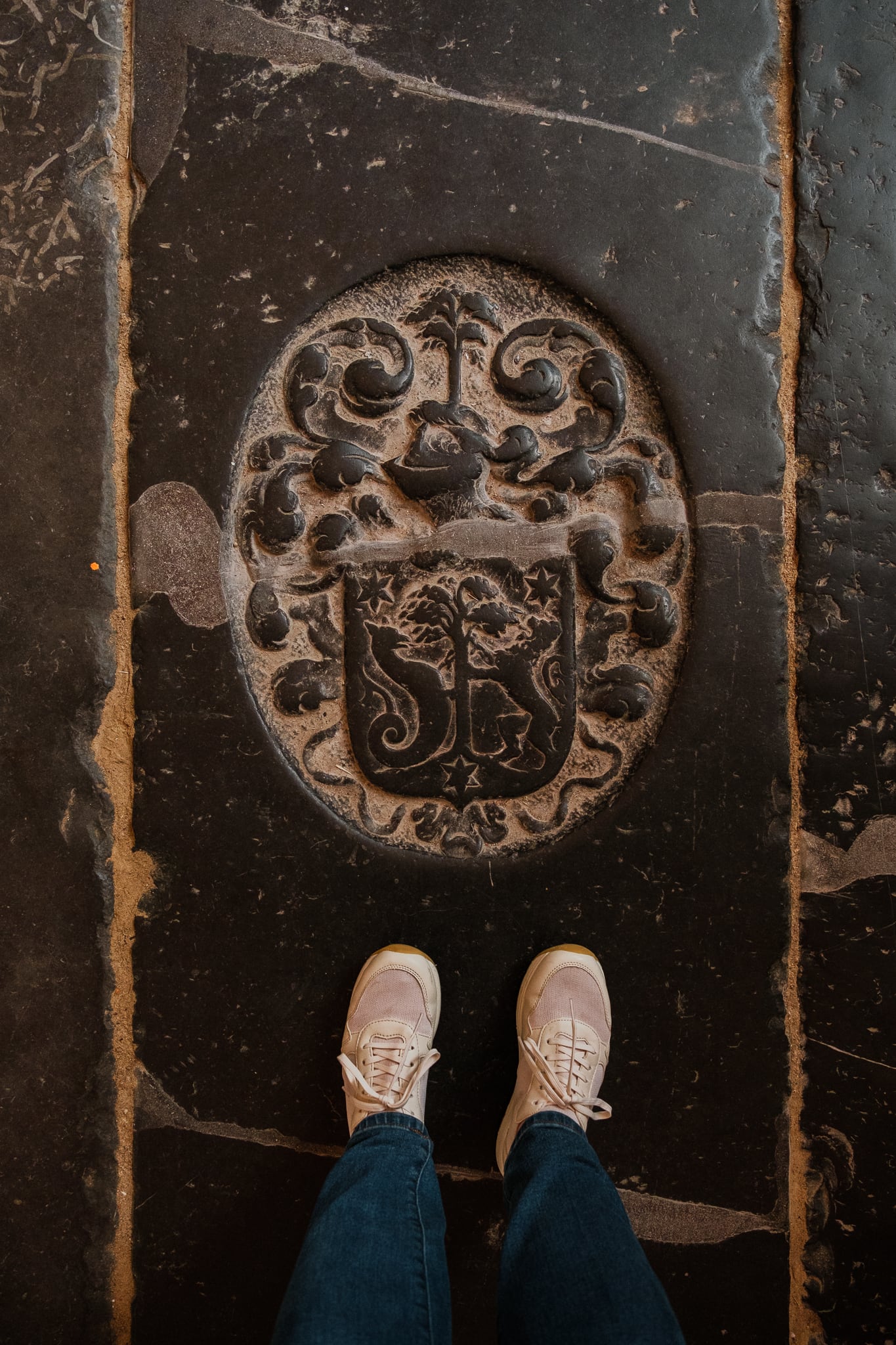
Oude Kerk, meaning “Old Church,” is — as you might have guessed — Amsterdam’s oldest church, dating way back to the 13th century. Today, it largely functions as a museum. During my visit, the space was filled with a wonderful installation by Ibrahim Mahama connecting the history of many people buried at Oude Kerk (the floor is made of tombstones) with the history of Dutch forts in Ghana, where Africans suffered as a result of slavery and the colonial trade system.

NOTE: Amsterdam’s famous red light district is located just across the street from Oude Kerk. I don’t advocate for patronizing the workers of this area, but if you’re interested in walking around to see what the red light district is like, this is the place to start.
4. Learn About the Dutch Masters at Rijksmuseum
The history of fine art in the Netherlands is rich and long, and much of it is wonderfully presented at Amsterdam’s largest museum, the Rijksmuseum.
If you’re a big fan of art museums, it would be possible to spend the entire day at the Rijksmuseum. Even if you’re not, though, you should set aside several hours to pay tribute to the Dutch masters (not to mention the many other eras and types of art featured at the Rijksmuseum).
During my visit to the Rijksmuseum, I started on the first floor — at the earliest era of art presented in the museum — and worked my way up to the newer eras.
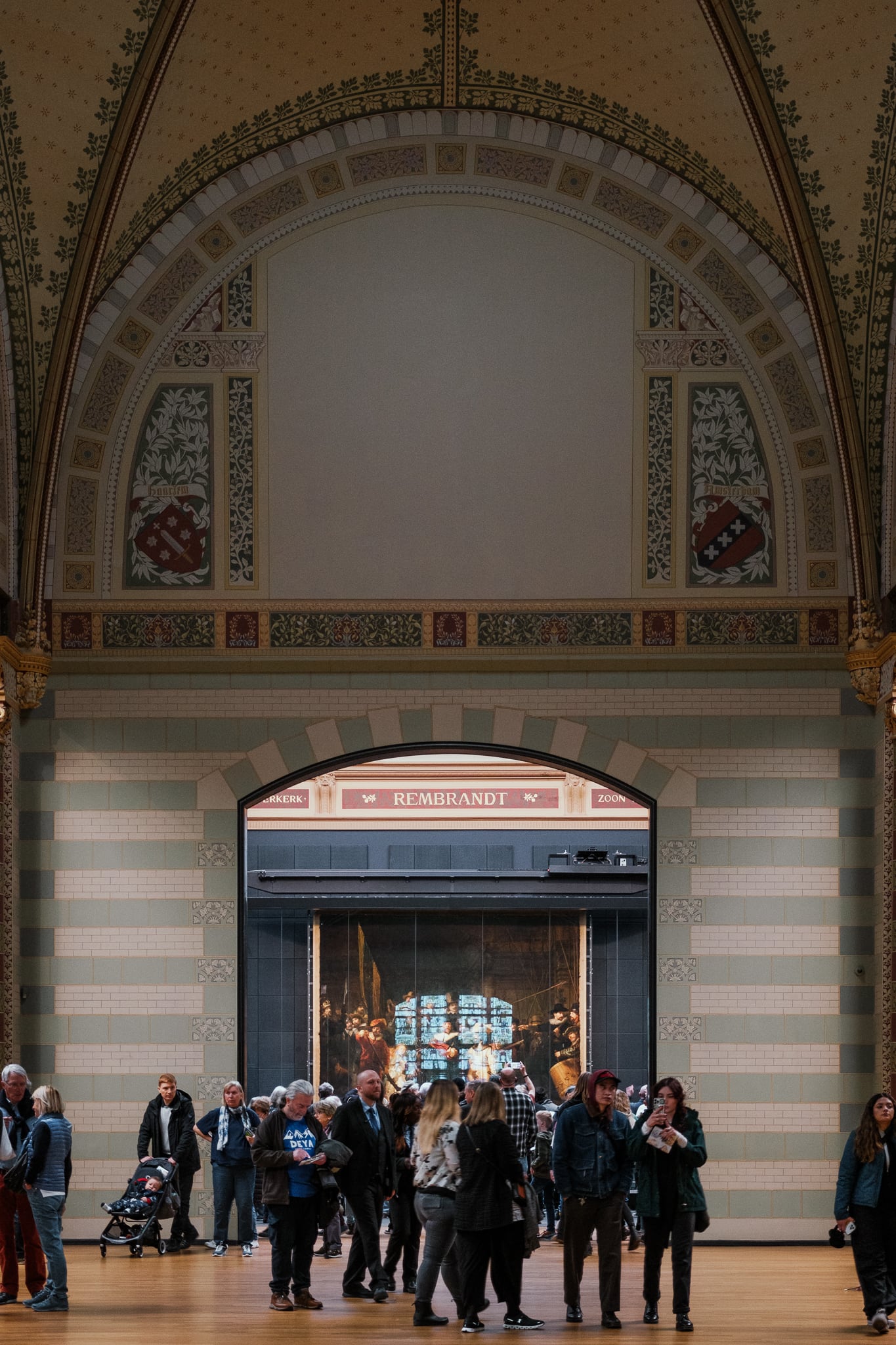
However, I actually recommend that when you enter the museum, you head straight for the Gallery of Honour on the second floor. That’s where most of the museum’s most famous works are exhibited, and it’s where people tend to flock. If you want to see works like The Night Watch and The Threatened Swan with fewer crowds, buy an advance ticket for the first time slot of the day and go to the Gallery of Honour right away.

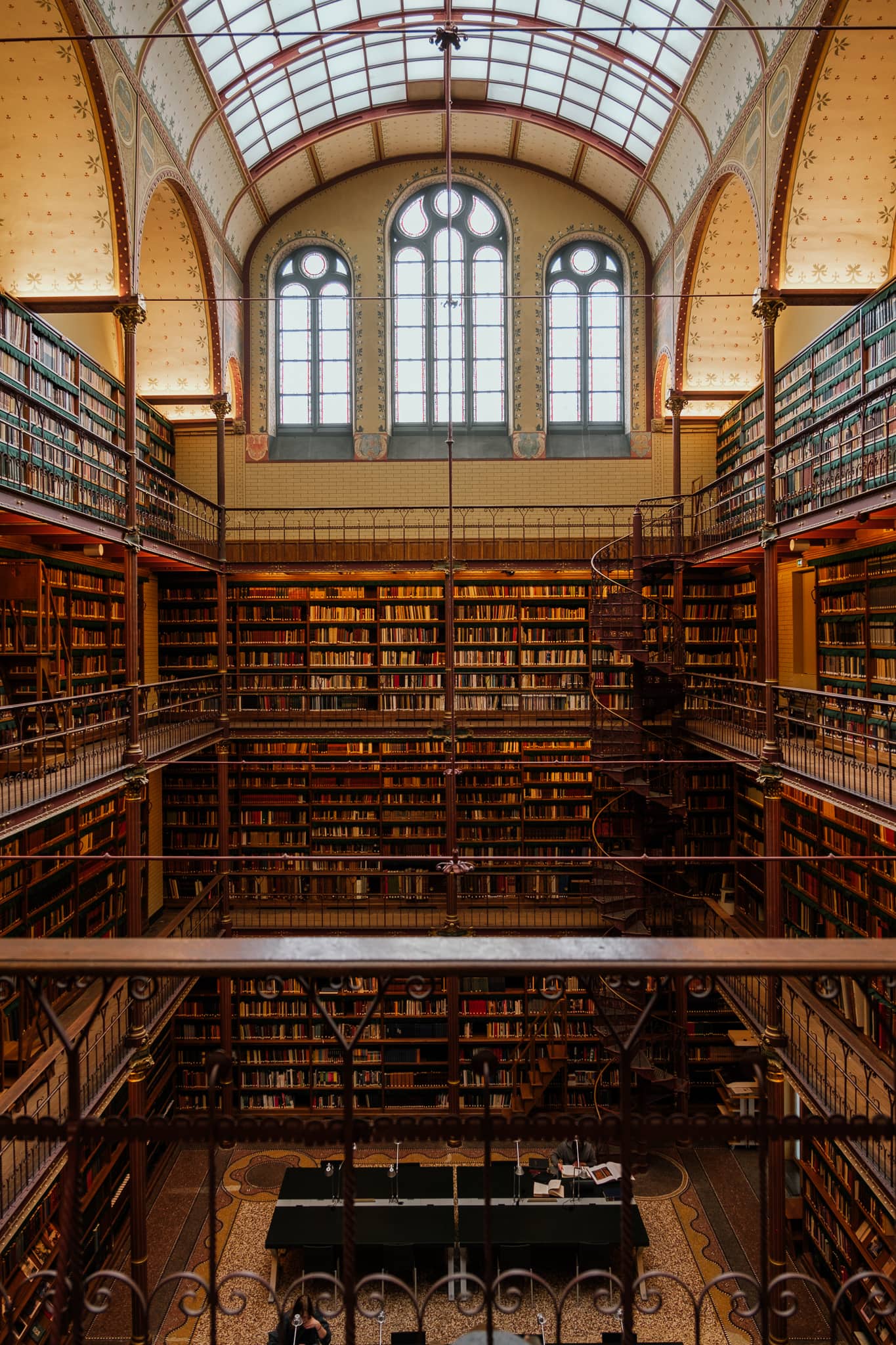
While you’re on the second floor, don’t miss the unbelievable reading room.

5. See the 7 Bridges on a Canal Tour
Take a look at a map of Amsterdam, and it’ll be immediately apparent that canals are a critical part of the city. During a visit to Amsterdam, you’ll spend lots of time walking around and across and beside the canals, but don’t miss an opportunity to see the city from the canals themselves.
There are a zillion or so canal tours in Amsterdam, but I really enjoyed this wine and cheese boat tour. Our guides were fun and lively, and I got some lovely new views of Amsterdam while enjoying unlimited wine and cheese. Check availability for my canal cruise here:
In fact, there are views of Amsterdam you can only see from the water. Perhaps the most famous is the spot in the canals where you can see down a line of 7 bridges at once. I recommend taking a canal tour at dusk or the early evening so you can see this sight with the lights on the bridges turned on.

6. Seek Respite at the Begijnhof
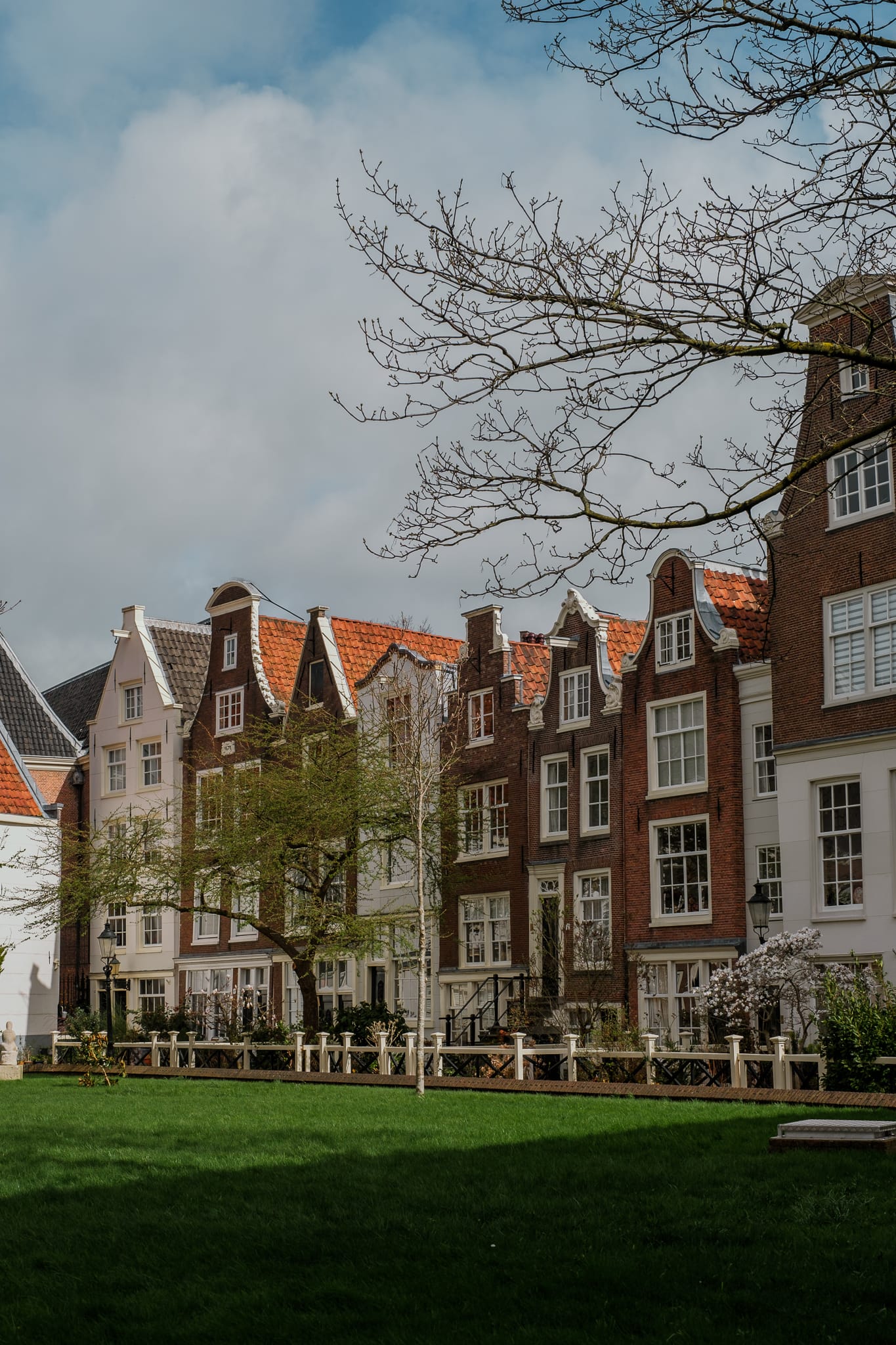
The Begijnhof is a community that dates back to the Middle Ages. It was founded as a beguinage — a place where unmarried religious women lived together — and is still a lovely, peaceful space where beautiful old homes surround a grassy courtyard.
You can visit the Begijnhof for free. Please be respectful of the area and obey the signs instructing you not to enter certain areas, as people still live in the homes.

7. Puzzle over the Dancing Houses
Walking around Amsterdam, it’s impossible not to notice how many buildings are, to say the least, a little (or a lot) crooked. While some of the crookedness (namely, the houses leaning forward) was purposeful, much of it results from problematic foundations. Honestly, it feels incredible that some of the buildings in Amsterdam are still standing.
One of the best examples of this crookedness can be seen at the so-called “dancing houses” — a row of canal-side houses leaning alternately into and away from each other.
You’ll find the dancing houses of Amsterdam beside Mulligans Irish Music Bar, though you need to go across the canal to the spot around Amsterdam House Hotel for good photos of the houses.

8. Pay Tribute to Van Gogh
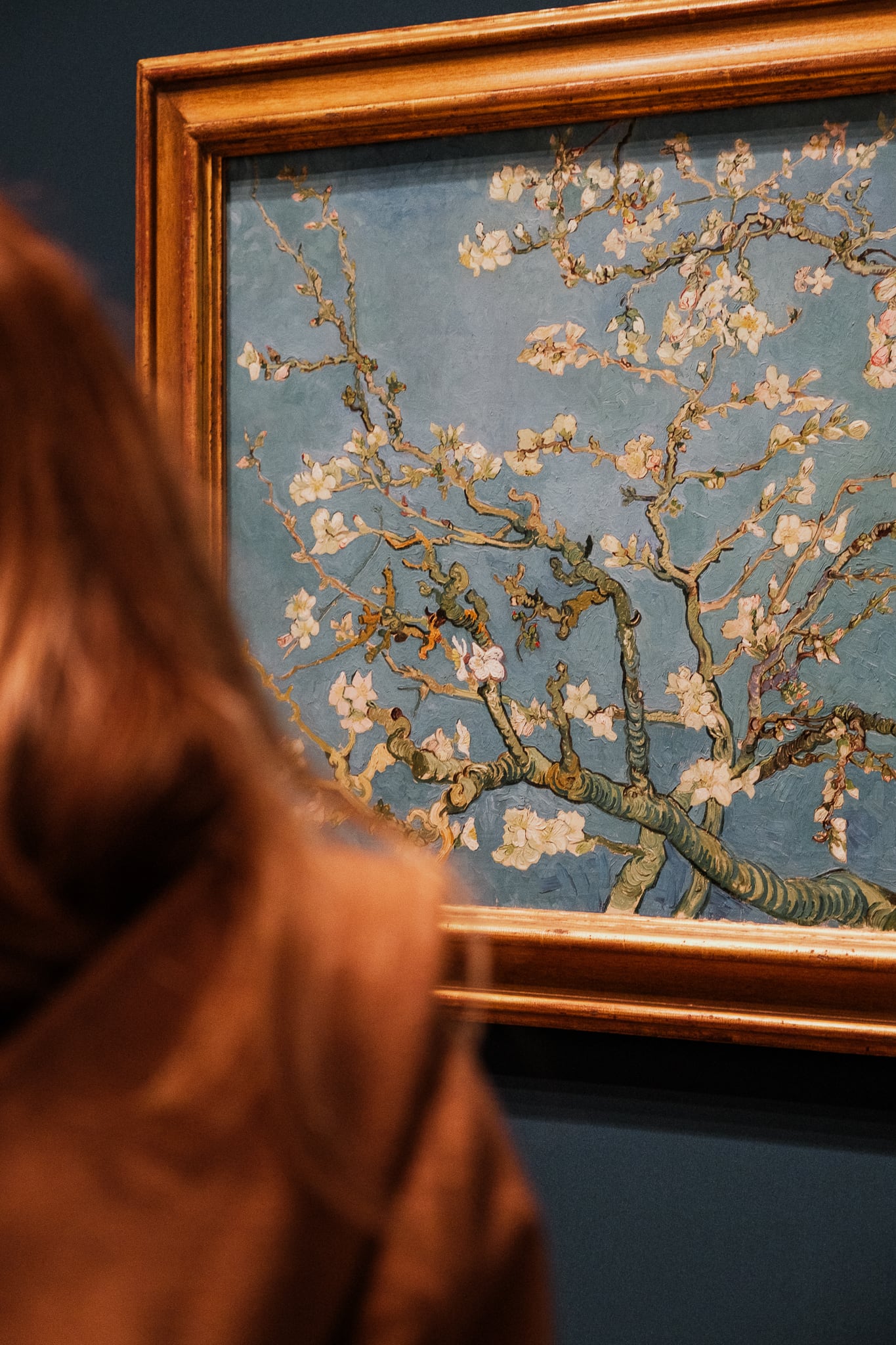
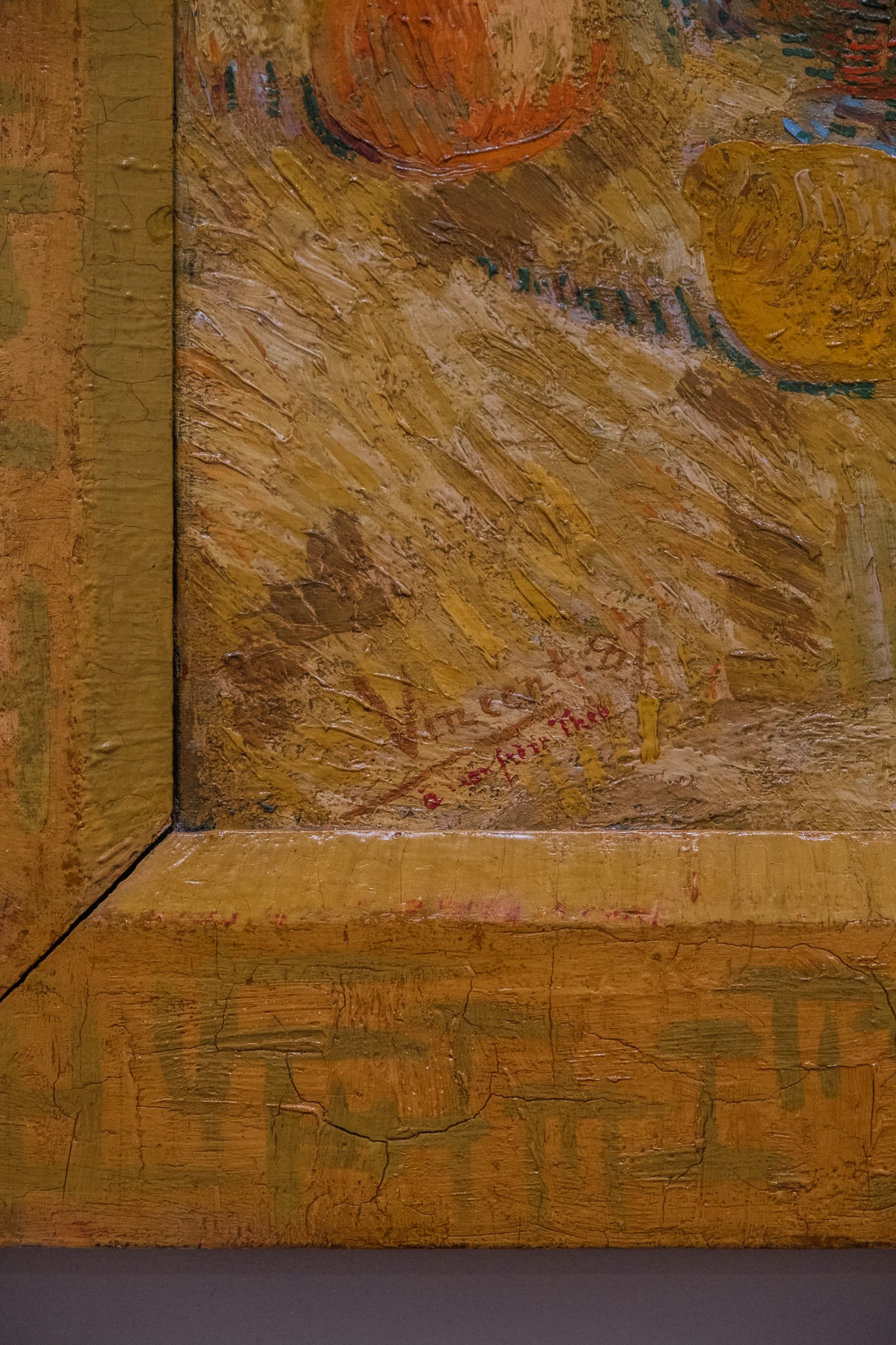
Amsterdam is the home of the Van Gogh Museum, which holds the world’s largest collection of Van Gogh’s work.
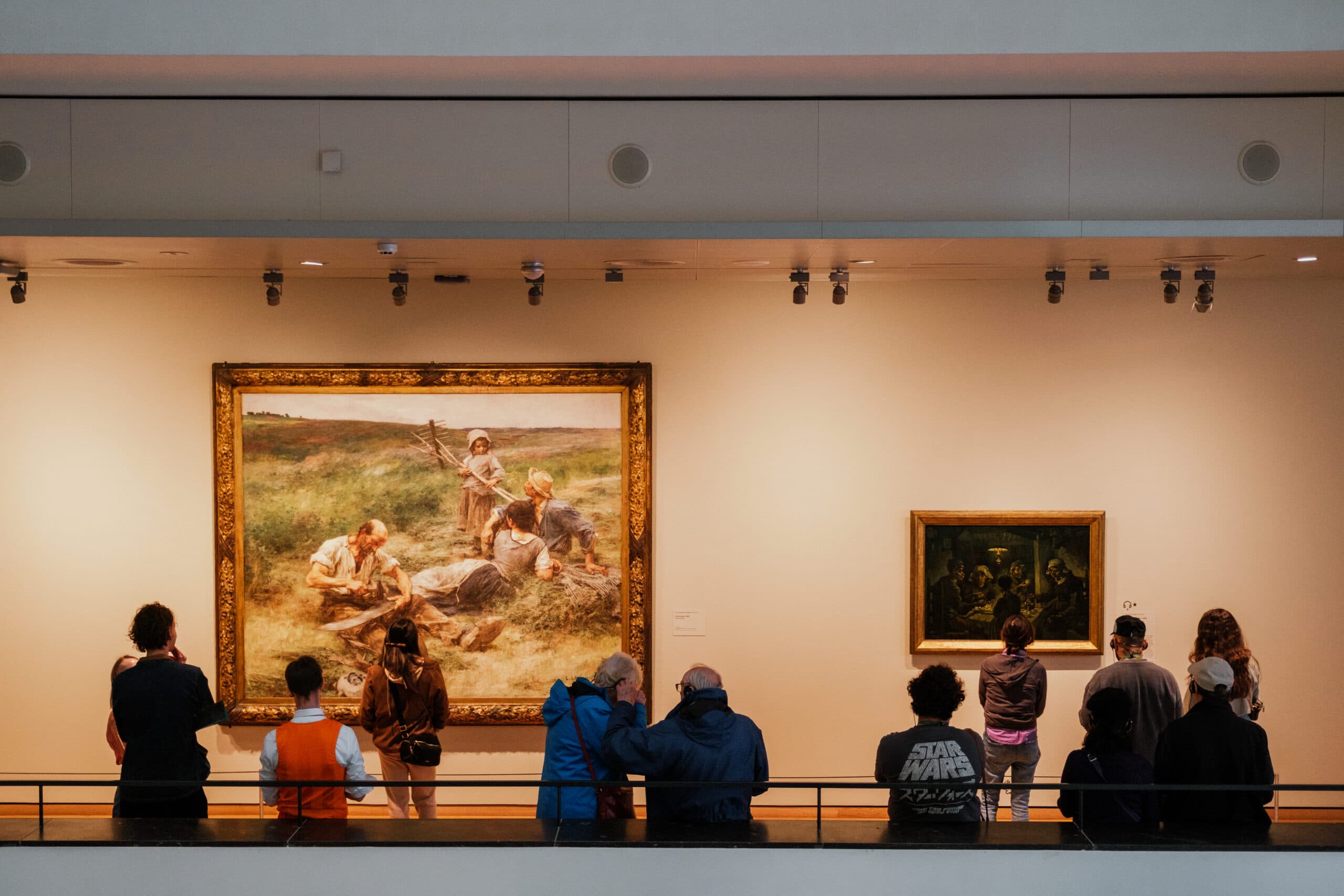
It’s worth a visit if you’re even a marginal fan of Van Gogh, but be aware that it can be very crowded. On the day I visited, tickets were sold out, and I found the museum so full that it really detracted from the art.
What saved the experience for me was a special exhibit about Van Gogh’s family (it was located on the lower level, and a lot of people either missed it or skipped it). It detailed how Van Gogh’s brother, sister-in-law, and nephew dedicated themselves to preserving and promoting Van Gogh’s work after his death. Van Gogh could have slipped into obscurity (or really, remained there), but his family was determined to give his work and his life the respect he deserved. It’s a monument to love, and I found it really touching.
9. Step into History in the Anne Frank House
In 1940, Germany occupied the Netherlands and swiftly began persecuting the Jewish population of Amsterdam. Many families were forced to flee, go into hiding, or face the horrors of Nazi concentration camps.
Perhaps the most famous of these families is the Franks — Otto, Edith, Margot, and Anne. In 1942, the young Anne Frank and her family (plus four other people) went into hiding in a secret annex over the workshop and offices where Otto worked. They lived there for more than two years, staying quiet during the day (lest the people working below hear them) and trying to avoid discovery. Tragically, they were found by the Nazis in 1944, when Anne was 15, and transported to concentration camps. Only Otto survived.
When Otto returned to Amsterdam after the war, he learned that Anne’s diary (which actually comprised several volumes) had survived the Nazi raid of the annex, and he was amazed to discover the depth of interiority displayed throughout its pages. Otto submitted the diary for publication, and in the decades since, The Diary of a Young Girl has become one of the world’s best-known and most-translated books. It’s also been adapted for both the stage and the screen.
Today, you can still tour the building where the Franks and friends hid from the Nazis, including the secret annex. The Nazis ransacked the space and Otto did not want to return the furniture and other items into the annex, so the rooms are largely empty. However, much information is provided about the spaces you walk through and the family’s experience there (and in the concentration camps). It’s a highly educational and emotional tour.
If you want to visit the Anne Frank house, you must buy a ticket in advance, and you should do it as early as you can, because they sell out. Tickets go online on Tuesdays at 10 am CEST for dates six weeks later.
Personally, I made a calendar reminder for the Tuesday six weeks before my desired visit and purchased my ticket the day it went online — and I recommend that you do the same. At the time of writing, almost every ticket for presently available dates (yes, even six weeks out) is sold out.
Buy your ticket for the Anne Frank House here.
10. Hop on a Bike
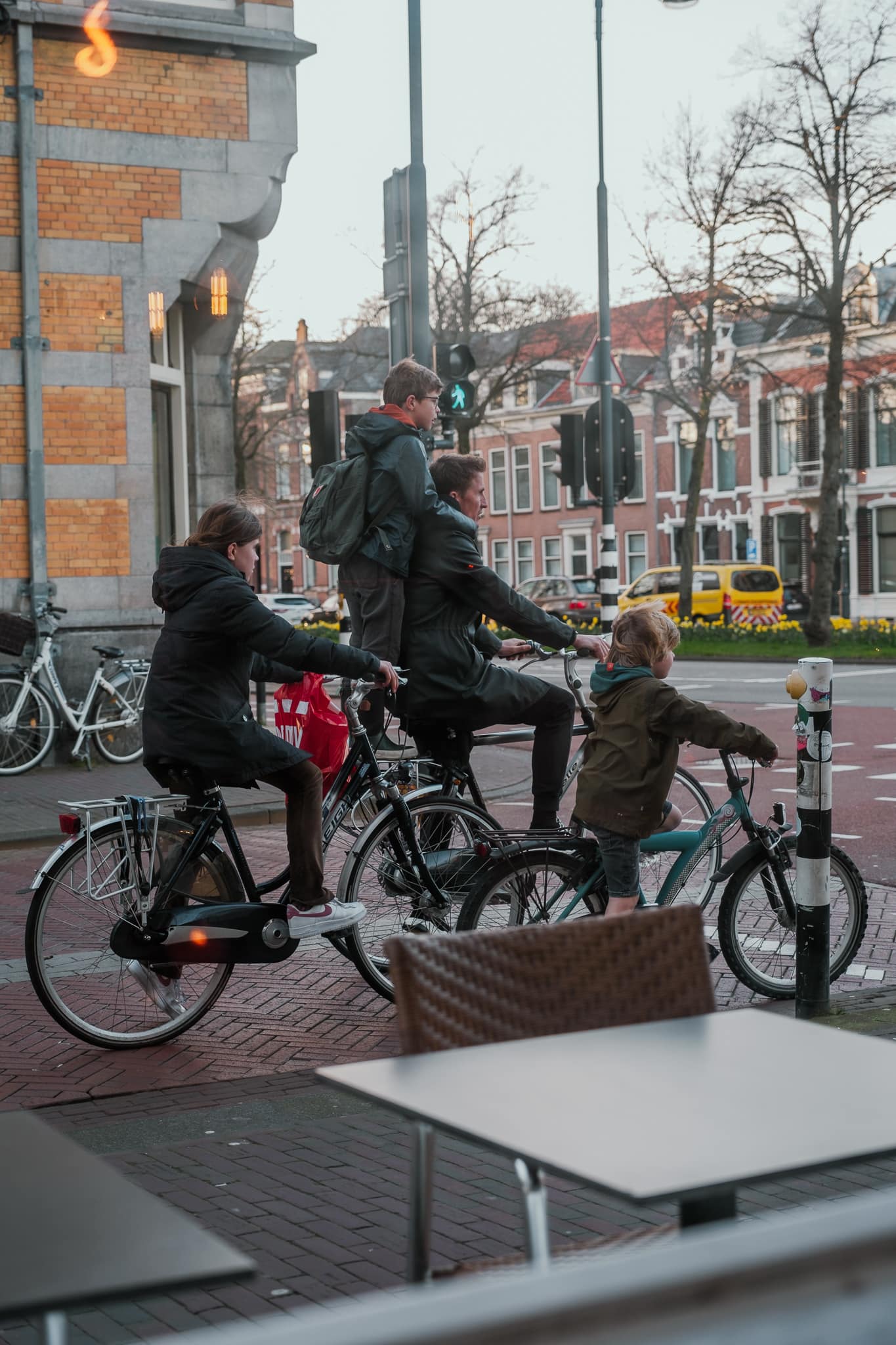
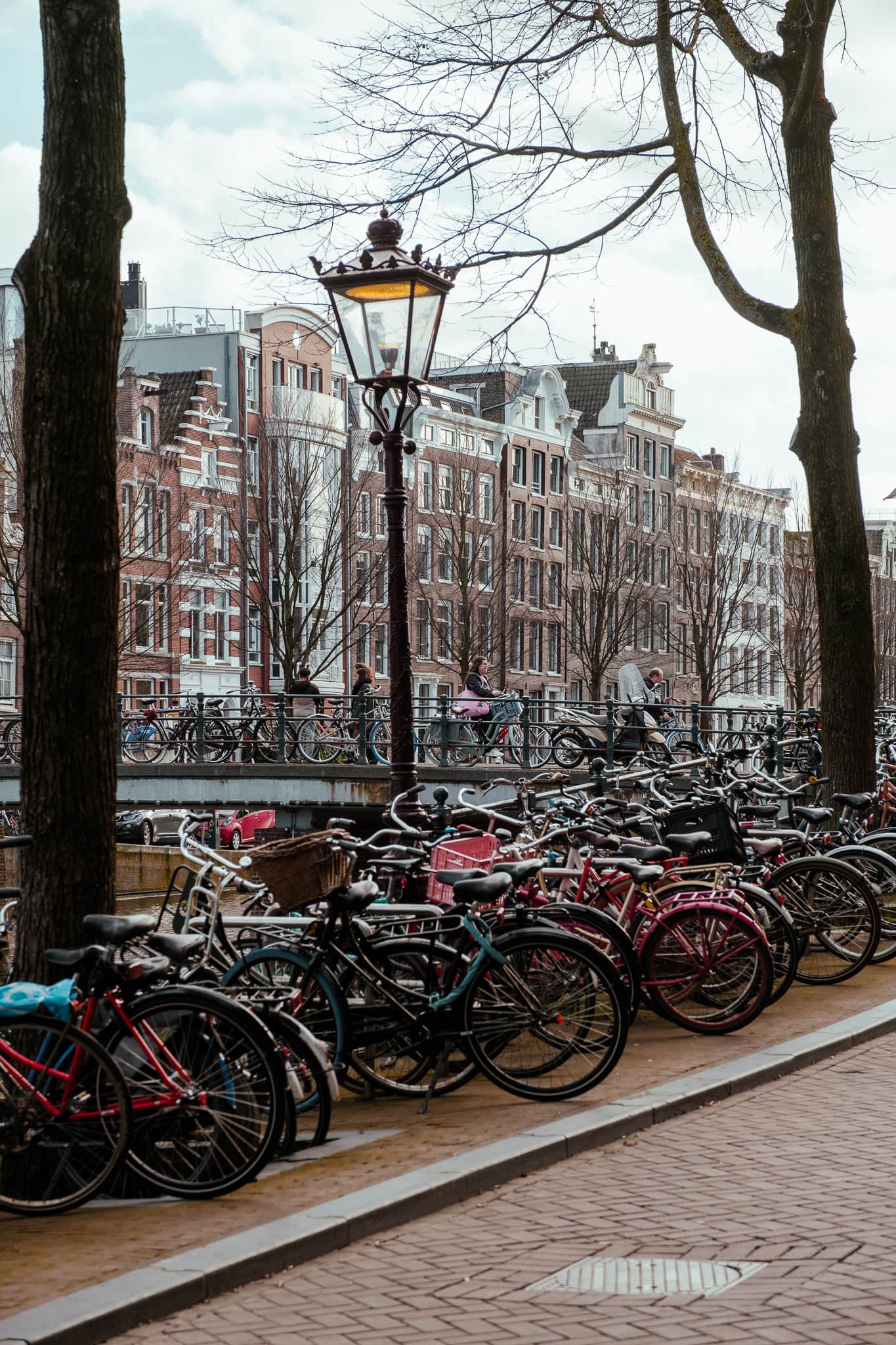
After just a few minutes in Amsterdam, it’ll be extremely apparent that bicycles are one of the city’s primary modes of transportation. My general impression from Amsterdam (and other cities in the Netherlands) is that every resident probably owns a bike, and that most of them probably ride it every day, no matter what the weather or what they need to carry (I lost count of how many people I saw biking with cellos and even upright basses).
I don’t know whether that’s true, but I know that I’ve never needed to pay attention while I’m walking as much as in Amsterdam, where you need to look out for throngs of bikes in addition to cars and buses.
Join the fray by renting a bike yourself. You can do this at bike shops throughout the city, and a typical daily rental price is €10.
More Information About the Netherlands
ITINERARY | Use this 10-day itinerary to plan a trip to Belgium and the Netherlands.
EXPENSES | Here’s how much I spent for 10 days in Belgium and the Netherlands.
DAY TRIPS FROM AMSTERDAM | Find out whether Delft, Haarlem, or Utrecht makes for the best day trip, or learn how to visit Delft and Haarlem in one day.
pin this post