
15 Important Things to Know About the Camino de Santiago
Before I developed a serious interest in walking the Camino de Santiago, I was familiar with it only in the vaguest terms. It’s some sort of walk in Europe, I thought? Maybe it’s in Spain?
After I began to properly research the Camino, I learned…well, quite a lot, of course. For one thing, I learned that the Camino de Santiago — or, the Way of Saint James — dates all the way back to the 9th century. At that time, people began making pilgrimages to Santiago de Compostela, Spain, where the apostle James was believed to be buried.
In the following centuries, the Camino became the best-known medieval pilgrimage route. And while the popularity of the Camino has ebbed and flowed since then, the Camino is once again quite a famous path, which hundreds of thousands of people walk or bike each year.
You don’t need to know this history to walk the Camino — but it’s great to be able to place your experience in the context of centuries of pilgrims before you.
And, if you’re interested in walking the Camino, there are lots more things you should know — from practical tips about how to plan your journey to more philosophical thoughts that will help you set your expectations for your experience.
Here are 15 things you should know about walking the Camino de Santiago.
Want to read more about the Camino?
Find my complete travel guide for the Camino de Santiago here.

1. The Camino is actually many different paths.
The Camino de Santiago is not just one route across Spain — it’s actually many different paths. There are at least seven formally named routes (plus a few variations on those), but many other ways to walk the Camino.
In fact, some of the paths are not even in Spain (or, at least, are not mostly in Spain). For example, the Le Puy Camino begins in Le Puy-en-Velay, France, and joins up with the Camino Frances in Saint-Jean-Pied-de-Port, France. There are also two popular routes beginning in Portugal.
Moreover, many Europeans begin their Caminos much farther away than even France or Portugal. On my Camino, I met people from the Netherlands, Paris, and Germany who had begun their Caminos in their own hometowns, eventually connecting with the Camino Frances route. (And if you are ever traveling in Europe, keep an eye out for scallop shells marking the Camino — I have seen them as far away as Haarlem, Netherlands, and Rothenburg ob der Tauber, Germany.)
What all Camino routes have in common is that they lead to Santiago de Compostela, Spain.
2. The Camino has ancient roots, but modern amenities.
While many pilgrims of old had it rough — sleeping in uncomfortable settings, worrying about bandits, and relying on the generosity of strangers in order to eat, just for starters — today’s Camino is much more comfortable.
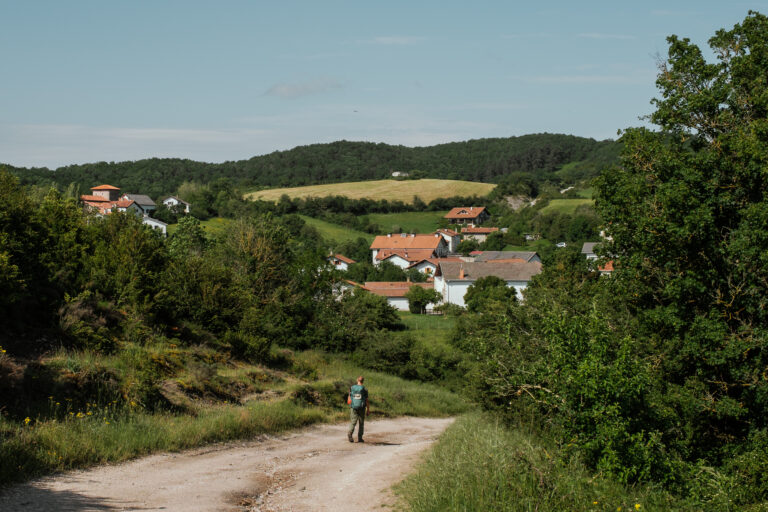
Yes, you will be walking many miles each day. But, on most days, you will walk through a town or city every few miles, where you will find cafes and restaurants offering food and bathrooms. You will end each day in another town or city, where you will find a bed, a shower, and places to eat and drink with other pilgrims.
3. The Camino is not a wilderness hike.
No need to carry a tent and days’ worth of food and water on the Camino — this is not the Appalachian Trail or the Pacific Crest Trail. In fact, it’s illegal to wild camp in Spain!
Instead, the Camino is well populated with albergues (hostels for pilgrims) and other lodging options. While these places certainly vary in comfort levels, there is no need to sleep outside on the Camino. You will also have access to a shower each day, and places to wash your clothes.
Moreover, the Camino is full of water fountains, most of which contain water that’s safe to drink (the ones that don’t have potable water will say so). You’ll never need to carry more than two liters of water — and, on nearly all days, you’re perfectly fine carrying one liter or less.

4. You can walk the Camino in stages.
Let’s say you want to walk the Camino Frances — the most popular route — which begins in France, and typically takes about four or five weeks of walking. What do you do if you have just one week to walk?
Well, one option is to break up your Camino into a handful of stages. You don’t need to walk the Camino all at once! You can stop walking whenever you run out of time, then pick up from where you left off the next time you are able to return.
On my Camino, I met plenty of pilgrims who were doing just that. There were sisters from France who are walking the Camino Frances one week at a time, solo hikers from Italy and Ireland and Germany who are squeezing in five days or one week or two weeks of walking whenever they have vacation time available, and so on.
5. You don’t actually have to go to Santiago.
Maybe you want to walk the Camino, but you don’t actually care about arriving in Santiago de Compostela or receiving a compostela (a certificate of completion)? That’s fine! You can walk the Camino without any intention to ever reach Santiago.
For example, on my Camino, I met people who were just walking the first part of the Camino Frances, and had no plans to get to Santiago. In fact, I even met one family that has walked the first two or so weeks of the Camino Frances three times now! They do not care about Santiago or compostelas, and just enjoy the journey.
6. The Camino requires very little planning (but you can plan it if you want to!)
It’s certainly possible to plan your Camino in great detail before you leave, but you definitely don’t have to (and I don’t really recommend it!). You can show up to your starting point and just start walking, going as far as you like each day and finding a bed wherever you choose to stop for the night. Or, if that feels too loosey-goosey for you, you can develop a rough itinerary before you go, perhaps booking the first few nights of lodging in advance and locking in the rest as you go. The main thing to know is that flexibility is hugely useful on the Camino, and planning a lot in advance is an option but more likely to hinder you than help you.
For the same reason, I don’t recommend using travel companies to plan and book your Camino. It’s simply unnecessary, so it’s a waste of your money and might even create some problems along the way, since you’ll be locked into a particular itinerary. (And, for what it’s worth, the pilgrims I met who had used travel companies all regretted it!)
7. Your Camino doesn’t have to end in Santiago de Compostela.
While all Camino routes point toward Santiago de Compostela, lots of pilgrims reach that city and its famous cathedral and decide they’re not quite ready to stop yet. If that’s you, never fear: you can keep walking west and head toward the sea! Just a few days’ walk from Santiago are the coastal towns of Muxia and Finisterre. Extend your Camino by walking toward either or both!
8. You can still walk the Camino even if you can’t carry your bag.
Have you always assumed the Camino isn’t for you because physical limitations would keep you from carrying your own backpack along the way? Don’t worry! The Camino is populated by luggage services that will carry your bag from town to town, lightening your load as you walk. These services include:
- El Camino con Correos (this is Spain’s postal service)
- JacoTrans
- Caminofácil
You don’t need to use one of these services every day, either — some pilgrims opt to have their bag transferred only on particularly long or difficult days of walking. This is easy to do because every albergue and hostel (and many hotels, as well) in towns along the Camino has special envelopes for luggage transfer services at their reception desks.
All you need to do is put the daily fee in the envelope in cash (in 2023, this was usually 6€ per day), fill out your name, contact information, and destination on the appropriate lines on the envelope, then attach the envelope to the bag you need to have transported. Then leave your bag near the door of the albergue or hostel on your way out. The transport service will come collect your bag mid-morning and drop it off in the place you plan to stay that night. (Note that in order to take advantage of these services, you need to know in advance where you will be stopping for the day.)
9. The Camino is exceedingly well-marked.
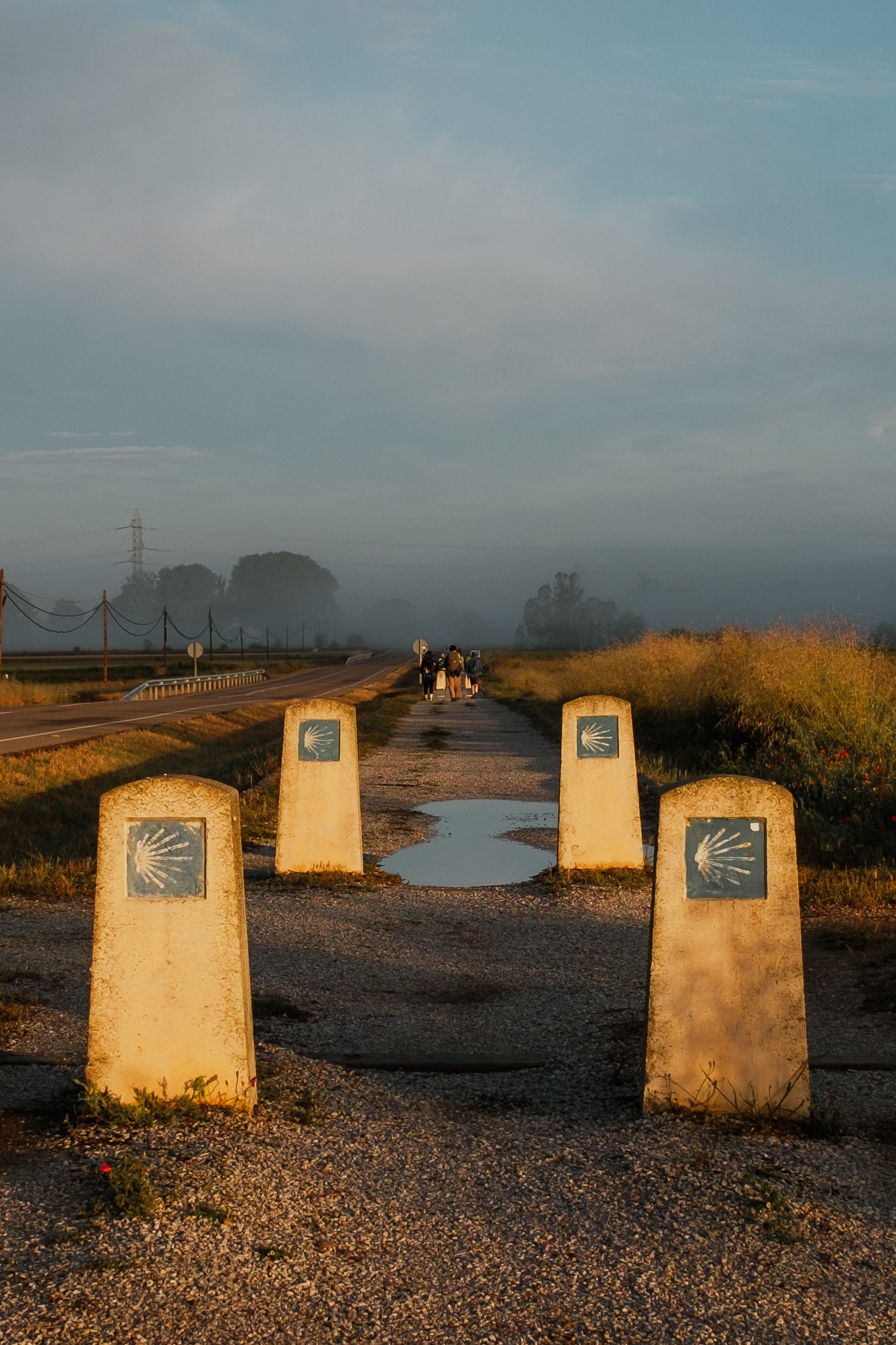
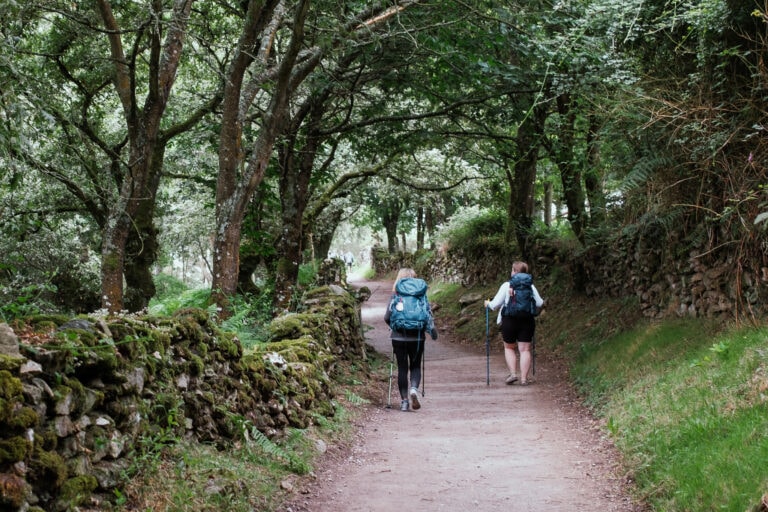
Don’t worry too much about getting lost! That’s actually difficult to do (especially on the popular Camino Frances) because the Camino is extremely well-marked with yellow arrows, signs, and shell symbols. On my Camino, it was very rare to come to an ambiguous turn or corner and find nothing to tell me exactly where to go.

10. There might be no easier way to meet fellow travelers.
If you’re a solo traveler who’s worried about walking the Camino alone, never fear: you won’t be alone for long. During the spring, summer, and fall, most Camino routes (especially in Spain, Portugal, and France) are populated by plenty of pilgrims who will join you at albergues and cafes. Unless you are walking particularly slowly or quickly, you can expect to run into the same people over and over again.
And because most people who are walking the Camino have little to do other than get up and walk every day, and bring lots of vulnerability and openness to the experience, it is exceptionally easy to get to know people on the Camino. I’ve done a lot of solo travel in my life, but nothing holds a candle to the Camino when it comes to meeting other travelers.
11. Surprises are around every corner.
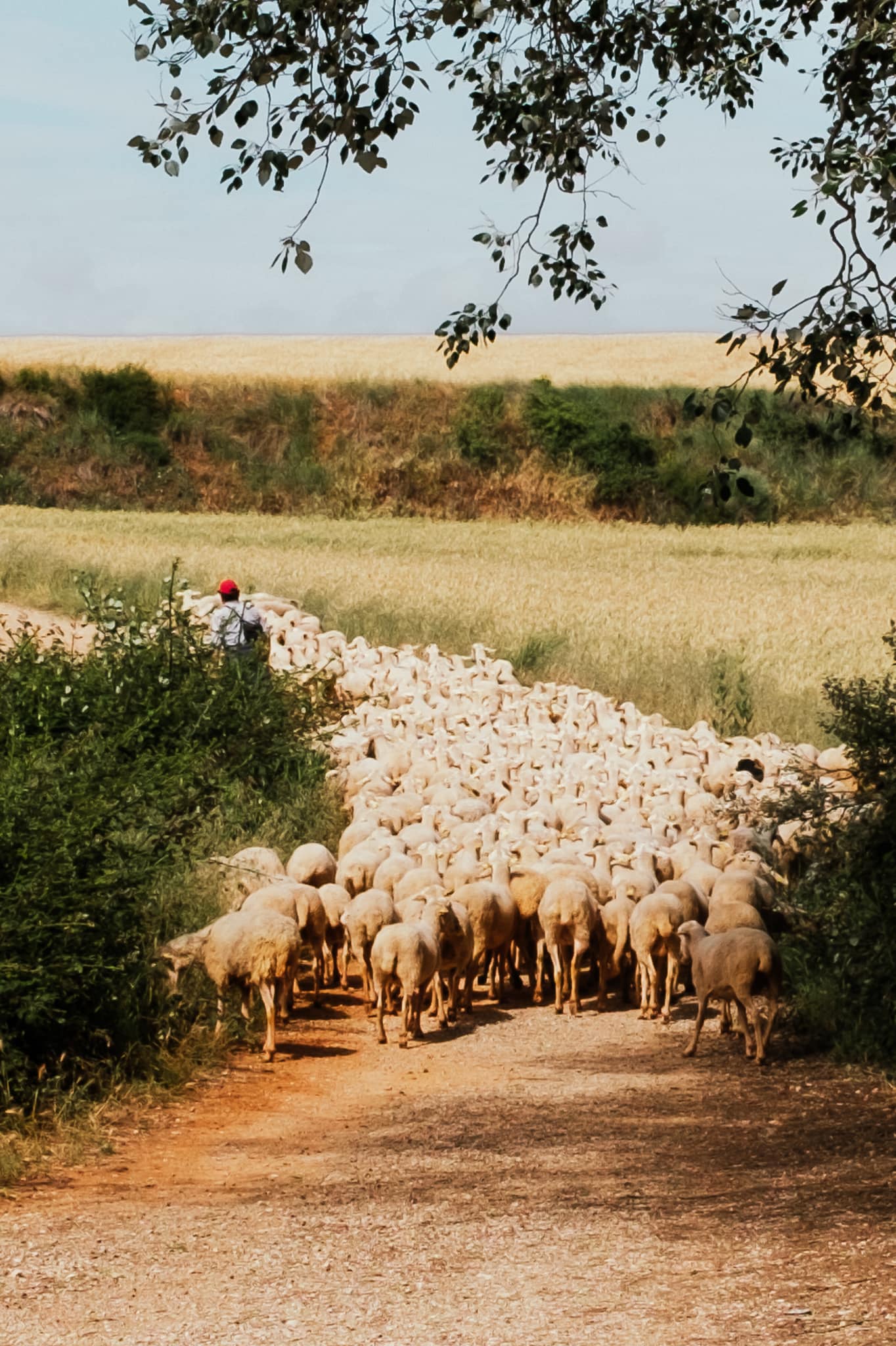
Sometimes that’s literal — you turn a corner, and suddenly there are enormous convent ruins straddling the way, or a shepherd herding his sheep across the path.
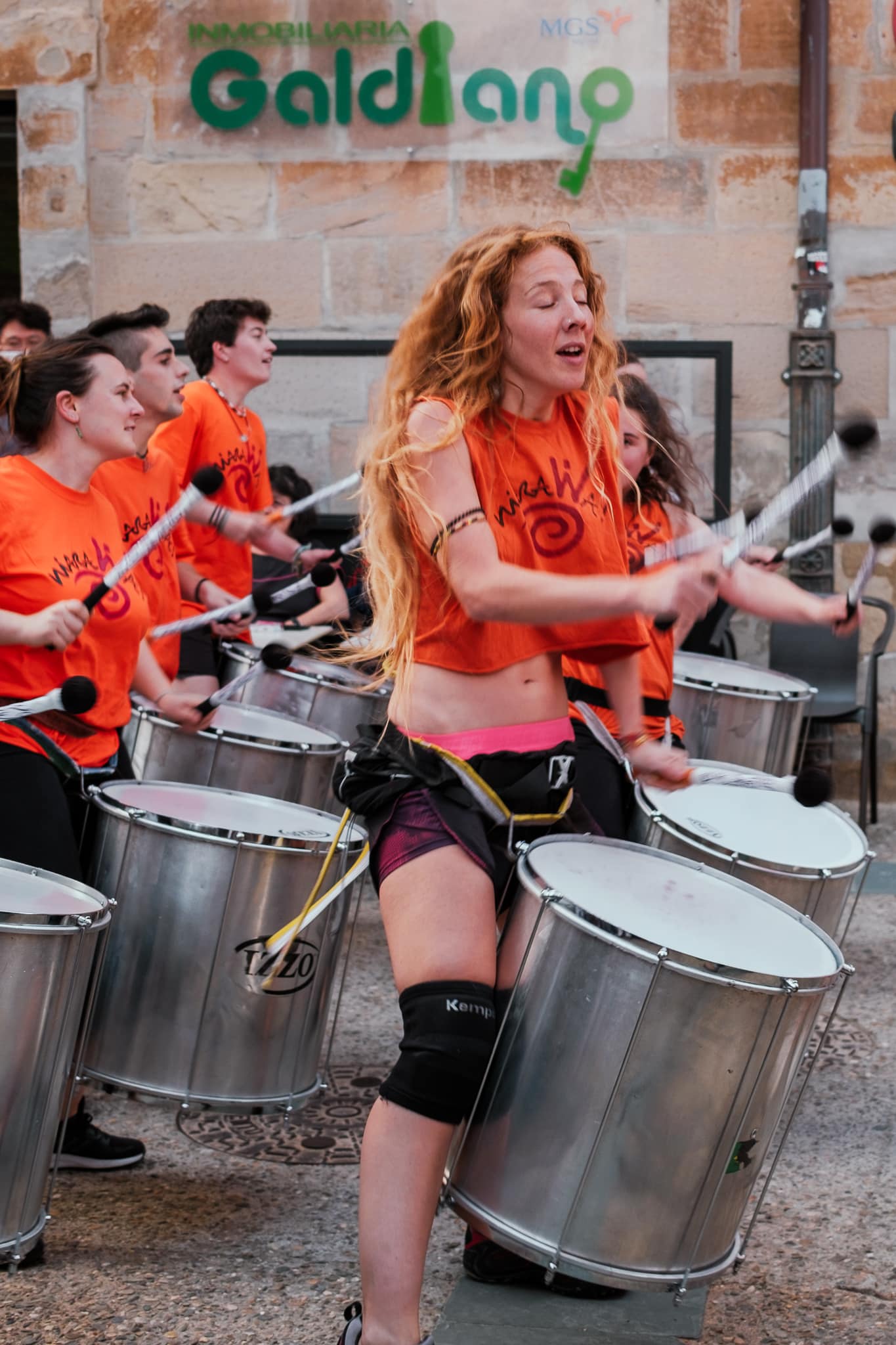
Other times, it’s more figurative. You turn up in a town and discover you’ve arrived just in time for a huge festival, complete with a rousing drum group and amusement park rides and fireworks and a kids’ version of a running of the bulls. Or you arrive at your albergue and discover that a movie production is filming a scene on the patio, and they rope you in to become an extra in the film.
All of these things, and many more, happened to me on my Camino!
12. The Camino provides — because people provide.
Pilgrims have a saying: “the Camino provides.” Just when you run out of water, you happen upon a donativo table with cold drinks that some kind person has left out just for this purpose. Find a fresh blister? The pilgrim in the next bunk over is happy to hand over the Compeed you need. Etc.
The Camino does provide, but it’s because the Camino is populated with people, and people provide. The things you need do not appear out of nowhere — they are offered up by locals and pilgrims alike to meet your needs and ease the way.
So, be assured that you will find what you need on the Camino — but while you’re there, be sure to be a provider for those around you, too.
13. Serendipity abounds.
I don’t know whether the Camino is actually more serendipitous than normal life seems to be, or if it just feels that way because everyone is especially alert to it, but there you have it: serendipity all over the place.
I’ve already mentioned that you can expect to run into the same people over and over again. This may sound ordinary, but it can be truly surprising and delightful, especially when you haven’t seen someone in weeks and suddenly your paths cross again. On my Camino, I saw one friend every day for several weeks, but then I took a rest day in Burgos and he did not, and I thought I would never see him again. Of course, more than a week later, I was amazed to see him resting beside the path on the way out of León, and we were reunited.
More surprisingly, on my Camino, I met three people from my hometown in Pennsylvania (okay, two of those people were walking together, but still). It goes deeper than that, though — one of those people lives just a few miles from me, and attends church three blocks from my house; we have mutual friends. Another, incredibly, is the pastor at a church where my dad’s cousin used to pastor. And all three of the people from my hometown are, like me, Mennonites. Wild!
The Camino is a small world, which lends itself well to magical moments like these!
14. Everything is ephemeral.
You learn quickly on the Camino that nothing lasts for long, or at least not forever.
This is not all bad, or even bittersweet! For example, those blisters that are tormenting you with every step? They are temporary.
But many goodbyes on the Camino are more difficult. You will meet wonderful people who are sharing your path for just a few days, and must say goodbye sooner than you would prefer. You will, eventually, reach the end of your Camino, and say goodbye to this way of living (ready or not!).
The Camino is a place to practice letting go and saying goodbye with gratitude.
15. You will see the best and worst of yourself, and — for the most part — the best of others.
On the Camino, you might just find that you’re capable of more than you thought. You might even impress yourself with your ability to keep walking when you think you’re at your limits, or with your instincts to help others.
You might also disappoint yourself with some negative attitudes, moments of unkindness, or other traits you’d rather not possess.
Other people may also disappoint you on the Camino, but I suspect that they’ll impress you much more than they let you down.
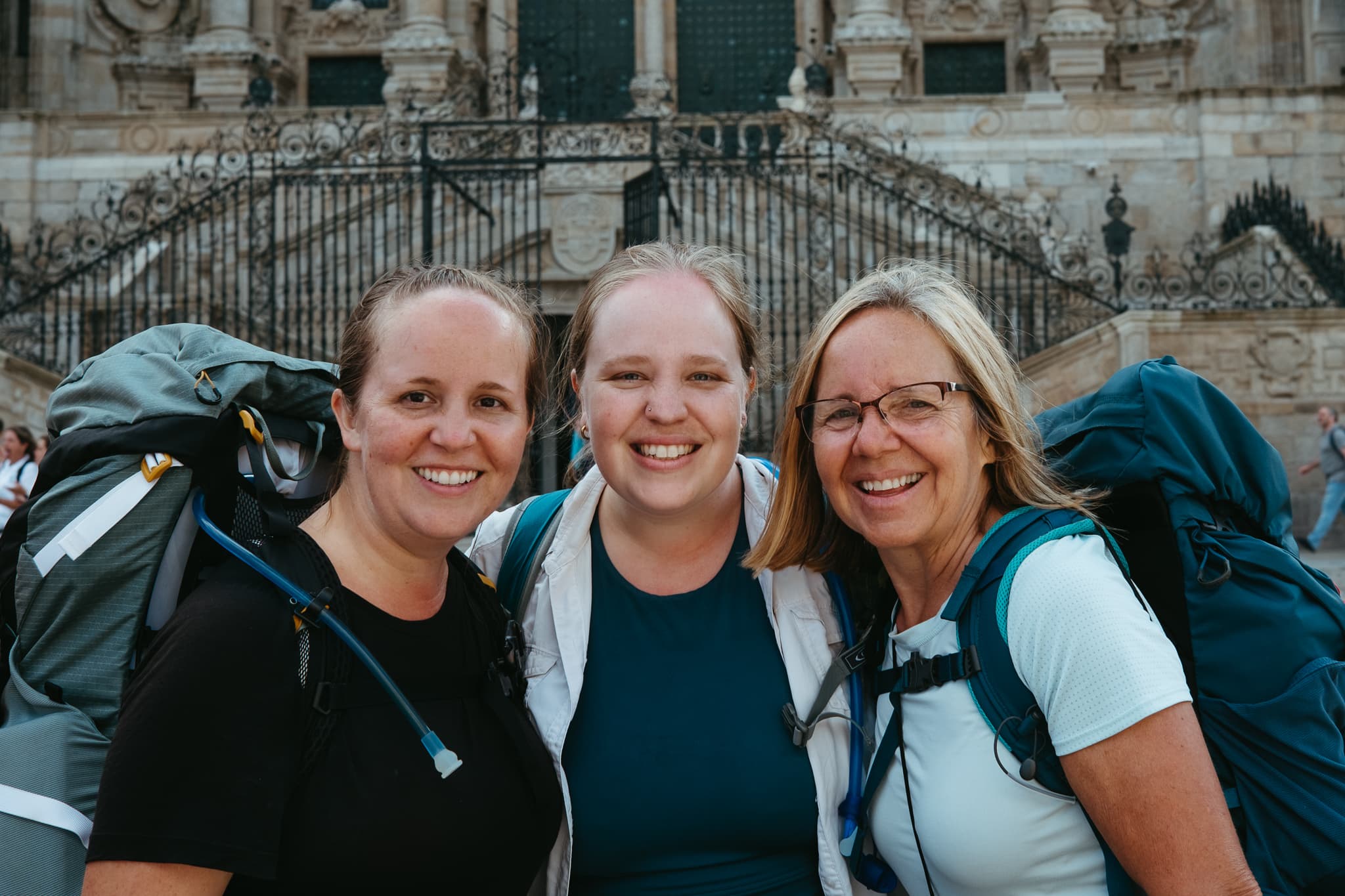
People bring their full selves wherever they go, but on the Camino, I found that those selves were often exceptionally kind, generous, and vulnerable. Go walk the Camino if you need to be reminded that people are good.
More Information About the Camino
THE BASICS | Start with an introduction to the Camino de Santiago and 15 important things to know about the Camino, and read about a typical day on the Camino.
SAFETY | Find out what to know about safety on the Camino.
FOOD | From typical meals to costs, here’s everything to know about food on the Camino.
GO IT ALONE | Here’s what you need to know if you’re thinking about walking the Camino alone (like me!).
EXPENSES | Just how much does the Camino cost, anyway? Find out here.
GET READY TO GO | Here’s what to know about how long the Camino takes, how to plan for the Camino (or not!), and 9 helpful ways to prepare for the Camino.
ITINERARY | Want to walk the Camino Frances in about 34 days? Read my recommended itinerary.
PACKING GUIDE | Everything you need to know about what to pack (and not to pack!) for the Camino, plus a printable packing checklist.
CAMINO FRANCES | If you walk the Frances route, here are 10 incredible things you can expect to see — plus my own Camino photo diary.
SHORT CAMINO | Here’s how to walk the Camino in just 5 days.
PHOTOGRAPHY | A complete guide to taking great photos on the Camino de Santiago.
pin this post





Karissa, this post is spot on and brings back incredible memories of my Camino. The camino is a place where you practice letting go of so many things – both internally and externally. “Saying goodbye with gratitude” is a phrase I will hang on to.
Thanks so much for sharing your beautiful writing with us.
Thank you so much, Rosa! I certainly said goodbye to you with gratitude, but I’m also glad it was only goodbye in one way 🙂