Pilgrims, Packs, and Paella // An Introduction to the Camino de Santiago
What is the Camino de Santiago?
It’s a long walk. It’s pressing the pause button on normal life. It’s space to think, mourn, meditate, process, dream, seek relevation. It’s hard work. It’s room to breathe. It’s blisters, aching muscles, cool showers after a long morning in the sun. It’s joy and it’s struggle.
In more specific terms, though, the Camino is a pilgrimage journey to the city of Santiago de Compostela, Spain, where some people believe the apostle James is buried. People began making pilgrimage to Santiago in the 9th century, and the Camino became one of the major pilgrimage routes of the Middle Ages. While the Camino more or less went into hibernation for many years after that, it was revived in the 1990s or so.
Today, the Camino is quickly growing in popularity, with hundreds of thousands of people earning a “compostela” — a certificate of completion — each year. Most of these people walk the Camino for just a few days, or perhaps a week, but others set out on a longer journey — perhaps starting at the French border, and walking 500 miles along the Camino Frances route, or maybe even starting in their hometowns in Germany or Belgium or elsewhere, and walking for months.
From the medieval history of the Camino, to its more recent revival in the 20th century, to what it’s like to walk the Camino today, here’s an introduction to the Camino de Santiago.
Origins of the Camino de Santiago
The Camino de Santiago dates back to the 9th century. Here’s a quick summary of how it all started.
Discovery of Saint James…Maybe?
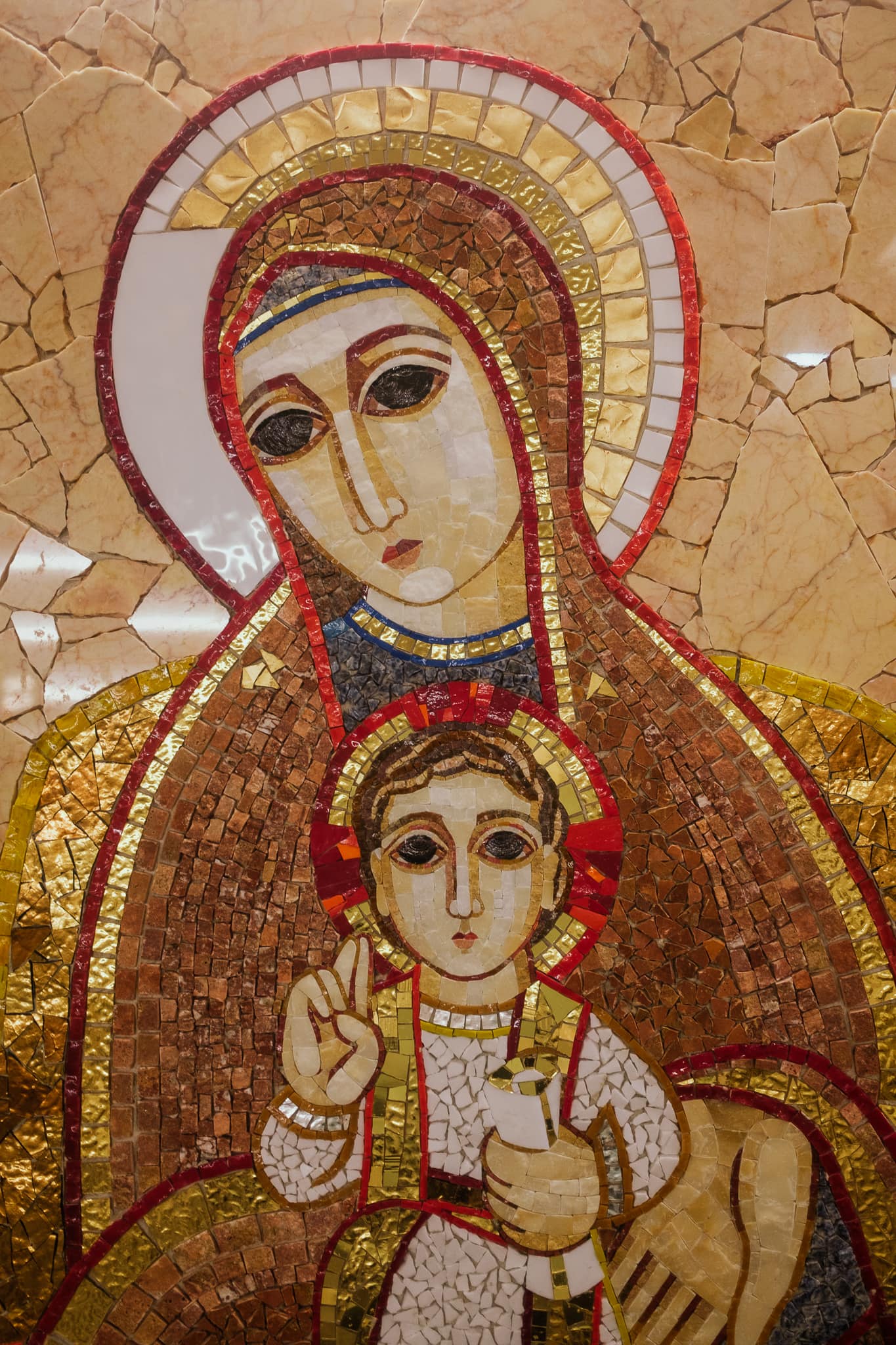
In the early 800s, a hermit saw glittering lights that led him to an old Roman burial ground in the northwest of Spain, and understood that he had discovered the grave of the apostle James. Soon, a bishop came and confirmed it: yes, here was buried Saint James.
You see, during his lifetime, James had traveled to the Iberian Peninsula to evangelize — leading to him becoming the patron saint of Spain — before returning to Jerusalem, where he was martyred in the year 44 AD.
Then, after his death, some of his disciples placed his body in a stone boat. In some versions of the legend, they traveled with him and guided the boat back to what was then known as Hispania, and in others, they sent the boat on its own and it was guided by the hand of God to the Iberian Peninsula.
At any rate, some of James’s disciples in Spain then transported his remains many miles inland — fighting dragons and bulls along the way — and buried him in what would later become the city of Santiago de Compostela, where his grave would be forgotten for nearly 800 years.
Or at least that’s how the story goes.
In reality, there’s no reliable evidence that Saint James ever visited Spain (this belief began in the Middle Ages, centuries after he died), much less that his body magically arrived there after his death in Jerusalem.
Much more likely, as some scholars assert, the Spanish Christians of the Middle Ages needed something to cling to in a time when they had little power on the Iberian Peninsula, and were eager to claim or believe that the grave was that of their beloved Saint James.

Rise of the Medieval Pilgrimage
Whether out of sincere belief in the discovery of the tomb or a more cynical desire for power, King Alfonso II (who ruled Asturias, a northern section of modern-day Spain) soon made pilgrimage to the grave — thus initiating the Camino de Santiago (in English: the Way of Saint James).
Others followed, and the route soon became one of the best-known medieval pilgrimages (perhaps the most important one). In fact, a 12th-century guidebook to the Camino is considered one of the world’s first travel guidebooks!
For many medieval pilgrims, the Camino was not just difficult but also treacherous, with real problems around bandits and, of course, only primitive medicine to help the ailing. Hospitals and abbeys (some of which still exist today, in ruins if nothing else) sprung up to care for sick and injured pilgrims along the way.
No one knows exactly how many pilgrims traveled to Santiago de Compostela in the Camino’s medieval peak. Some estimate that as many as half a million pilgrims (or even more) reached Santiago in some years during the Middle Ages. Others think it was many, many fewer than that, and that the powers that be exaggerated the popularity of the Camino for the same cynical reasons that they latched on to the purported discovery of Saint James’s grave.
The Revival of the Camino de Santiago
The Camino did not remain popular after the Middle Ages. Though it never completely died, the Camino shrunk substantially, with very few pilgrims walking the way in more recent centuries.
That changed, though, in the late 20th century, when Don Elías, the parish priest of O Cebreiro — who was passionate about the history of the Camino — took it upon himself to mark the Camino Frances route anew. He worked tirelessly to revive the Frances, cleaning up the trail and adding yellow arrows to mark the way — and promoting the Camino as a force for community and multicultural connection.


At the same time, the Spanish government was beginning to promote the Camino to grow tourism and reassert the country’s Catholic heritage.
As a result of these and other force, the Camino was revived by the 1990s, when it again became one of the world’s most important pilgrimage routes.
Today’s Camino
The Camino has certainly changed since its medieval origin, and even since its modern revival a few decades ago.
Here’s an overview of what the Camino is like today.
Modern Camino Routes
Today, there are a number of named, official Camino routes. These include:
- The Camino Frances, which begins just over the border between France and Spain
- The Portuguese Camino, which starts in Portugal and follows along either the coast or an inland route
- The Norte, which follows the northern coast of Spain
And many more.
As you can see, there’s not one specific Camino. Instead, there are lots of different routes. What makes them the Camino is that all of them are heading toward Santiago de Compostela.

Indeed, some pilgrims in Europe simply start walking from their own hometowns and join up with an official route where possible. I have seen Camino symbols pointing the way while traveling in Belgium, Germany, and the Netherlands!
READ MORE: How Long Does the Camino de Santiago Take?
Popularity of the Camino
The Camino is rapidly growing in popularity, with more pilgrims arriving in Santiago de Compostela each year. In 2023, more than 446,000 people received compostelas in Santiago!
That sounds like a lot of people (and it is), but keep in mind that a majority of those pilgrims walk just a short portion of the Camino — only enough to qualify for a compostela — and that people walk throughout the year (even if they are largely concentrated in the warmer months).
If you walk the Camino, and particularly if you start walking well before Sarria, you won’t be sharing the trail with thousands of people. That’s especially true if you walk a route other than the Camino Frances!
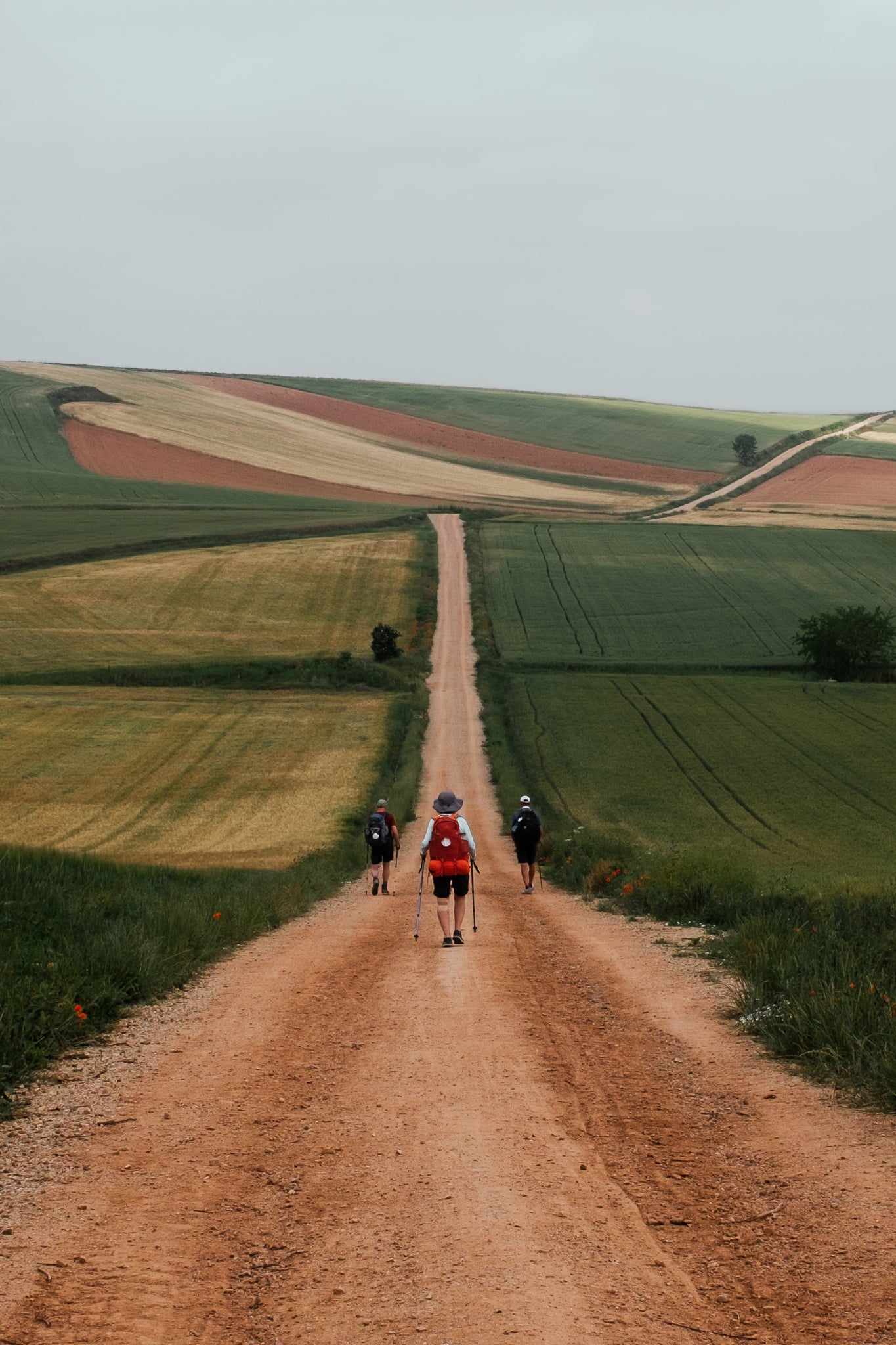
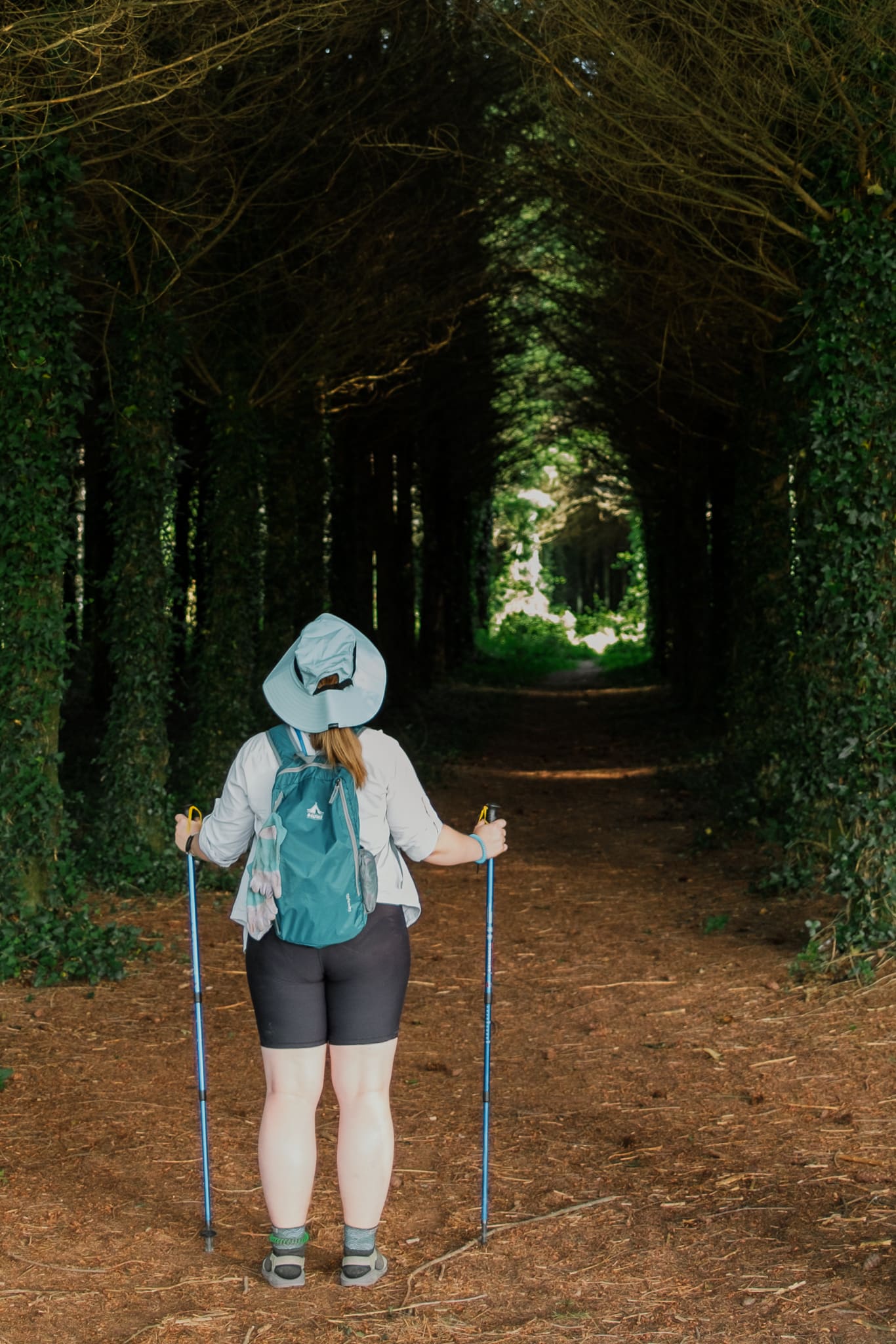
Regardless, the increasing popularity of the Camino means that the infrastructure is getting better, with more albergues and cafes on many routes.
There may also be more competition for beds in those albergues and chairs in those cafes, but it’s a bit of a crapshoot. When I walked in June, the Frances was uncrowded and I never had trouble finding space in an albergue — but people who worked along the route repeatedly told me that the trail had been much more crowded in May.
What It’s Like to Walk the Camino
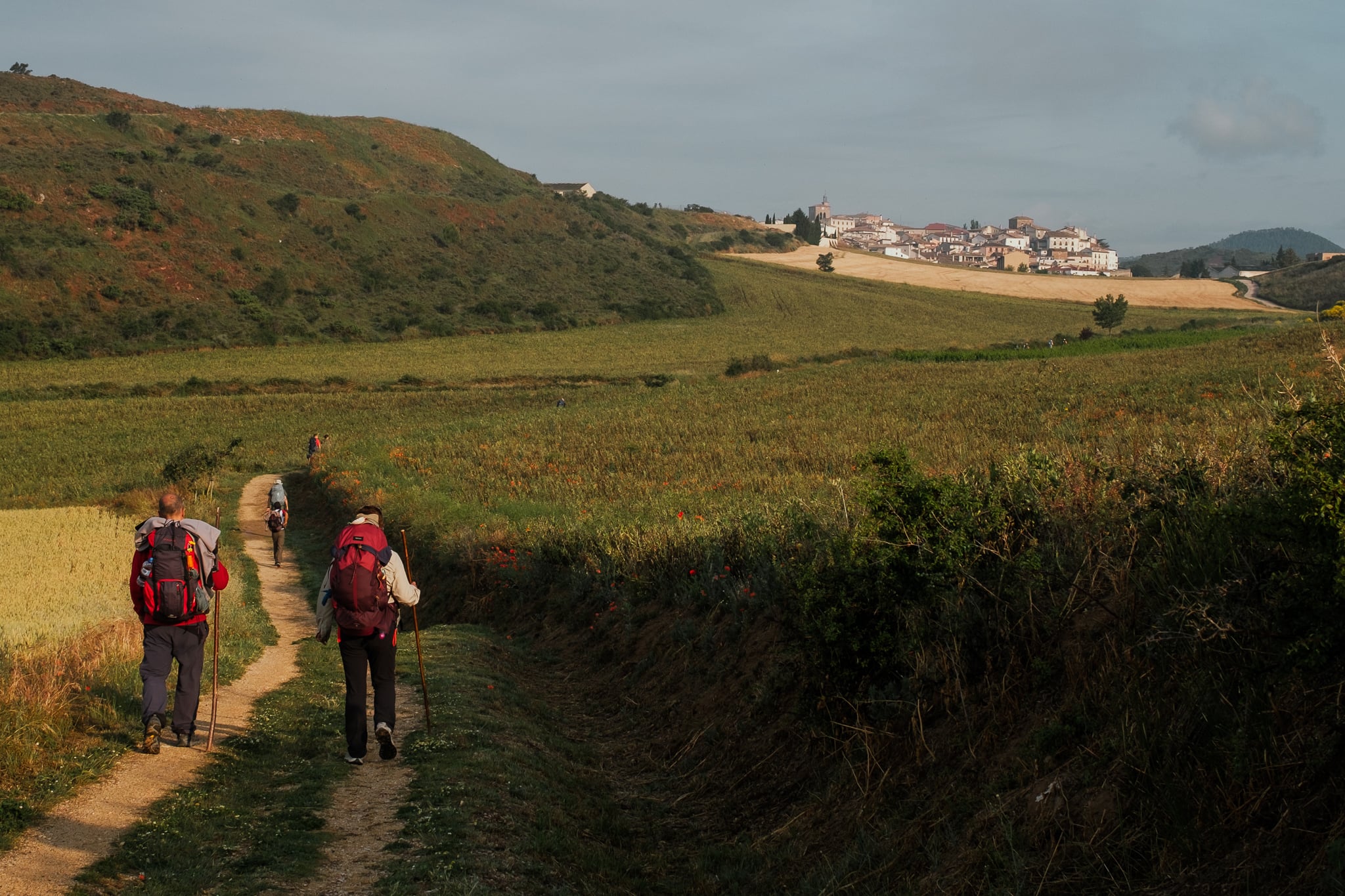
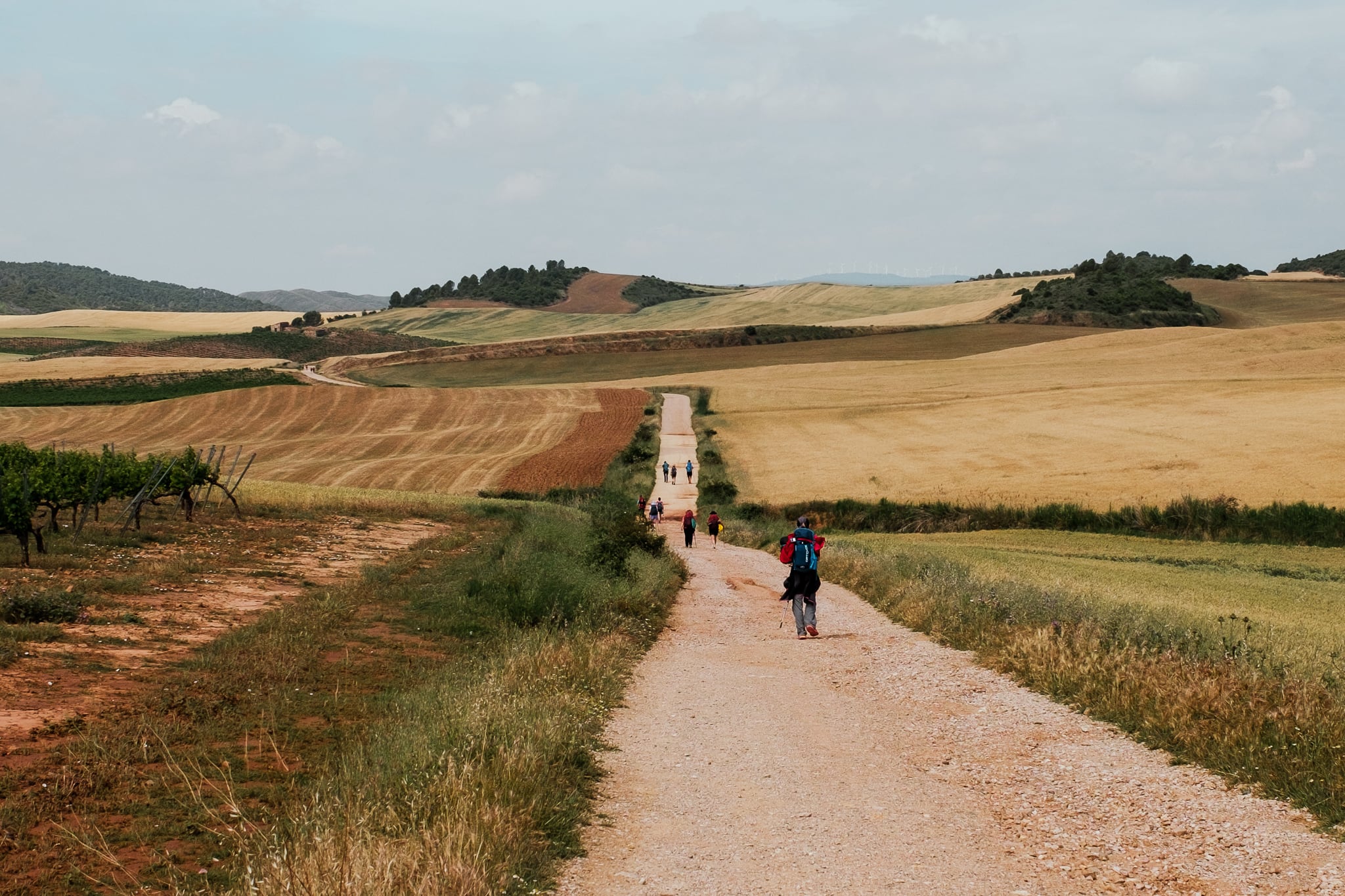
The Camino is a wonderful break from normal life. On the Camino, your world narrows down to a few simple tasks: walk, eat, wash, socialize, sleep. Personally, I loved the routine, the time to think, and the hours spent talking with new friends over inexpensive glasses of wine.
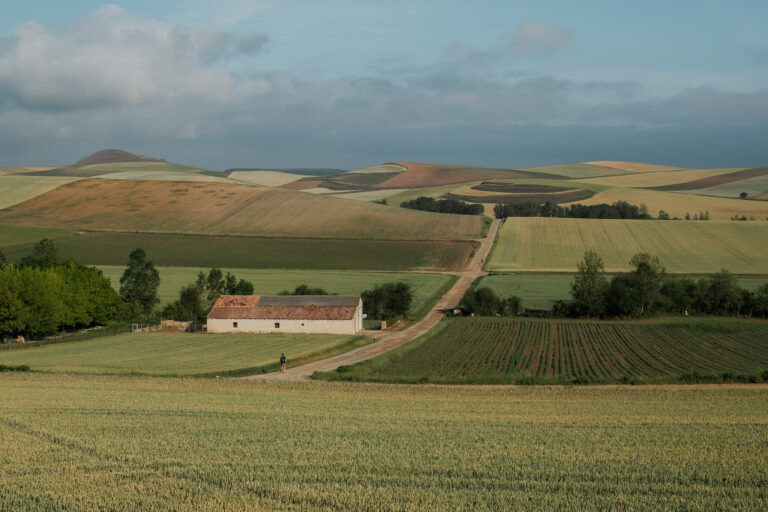
Depending on which route you take, you may walk along the coast, with the sea to your side, or through flat plains, or over punishing mountains — or all of the above, and more.
As you walk, you will meet pilgrims from many different countries. You’ll likely see many of the same faces at cafes and albergues, which brings a comforting familiarity to an experience that’s otherwise completely full of newness.
You may particularly bond with a few people — your “Camino family” — and opt to walk with them the whole way to Santiago (or beyond!). Or you may share a few days with specific pilgrims before you go on ahead of them, or vice versa, and you find new people to connect with.
Arriving in Santiago is a joyful experience, with happy pilgrims filling the impressive square outside the cathedral throughout the day. Those who have walked enough kilometers to qualify for a compostela can pick it up from the pilgrims’ office just around the corner.


The cathedral holds a pilgrims’ mass twice per day. It’s in Spanish, but it can be a lovely experience even if you don’t know the language, with a cathedral full of people from all over the world.
Plus, if you’re extra lucky, they may swing the botafumeiro — a huge censer that releases incense throughout the space. While the cathedral used to include this event in pilgrims’ mass each day, they now do it only on special occasions, or if someone pays a fee to guarantee it (it’s several hundred euros and pilgrims sometimes join together to pay it).
The movie The Way depicted the swinging of the botafumeiro, which you can watch here.
READ MORE: A Typical Day on the Camino de Santiago
Why People Walk the Camino
Today, people choose to walk the Camino for all sorts of reasons.
In fact, I found that it’s one of the most common conversations on the Camino. When pilgrims meet for the first time, one of them will eventually bring it up: “So, why are you walking the Camino?”
Sometimes people know exactly why they’re walking — or, at least, have identifiable reasons they’re willing to share with confidence.
For example, on the Camino Frances, I met the following pilgrims walking for these reasons:
- A woman trying to decide where to live.
- A man looking to get a little healthier.
- A mother looking for a place to spread her son’s ashes.
- A Catholic father and daughter on a religious pilgrimage.
- A history buff who learned about the Camino in college and has dreamed of walking it for decades.
- Several pairs of friends, and several families, looking to spend more time together.
- A woman trying to decide whether or not to get divorced.
- A couple grieving the death of their adult child.
- Many, many people looking to gain clarity or have an exciting adventure or meet interesting people from all around the world, or all of the above.
Other times, people don’t necessarily know why they are walking — or they may be able to identify some reasons, but also have a feeling that they’re walking for reasons they haven’t pinned down yet.
Personally, I walked the Camino because I love to walk, and I wanted to have some new and memorable experiences, and it seemed like an exciting challenge. And I chose to start my year of full-time travel with the Camino because I thought it might be a helpful way to transition from my former job as a lawyer into a sabbatical period.
Or at least that’s what I tell myself. Maybe there were other reasons buried deep in my psyche that I haven’t even unearthed yet.
Whatever your reasons may be for wanting to walk the Camino, they are legitimate and sufficient. If there are any bad reasons to walk the Camino, I haven’t heard them yet!
Final Thoughts
I’ll be frank: I do not think that Saint James is buried in Santiago de Compostela.
But I also don’t think that the Camino’s questionable origin story denigrates its value today.
I don’t think the meaning of the Camino is found in what does or doesn’t lie in Santiago de Compostela — I think it’s found in what humans have created along the journey.
It’s in the albergues where kind-hearted hospitaleros prepare a space for new pilgrims each day, and cook a hearty meal for hungry bodies each night. It’s in the donativo tables where generous people set out water and snacks for free, asking only for a donation if possible. It’s in the conversations and Compeed and electrolytes shared between pilgrims. It’s in the serendipity of saying goodbye to someone in Burgos and unexpectedly encountering them two weeks later, or meeting a pilgrim from your hometown and discovering that you have mutual friends.
Yes, these are all things I personally experienced on the Camino.
So, regardless of its origins, the Camino can be an absolutely wonderful experience — it was for me!
For more information about how to walk the Camino, I’ve written guides about many different aspects of the experience — the food, costs, packing, planning, and much more. Find all my posts about the Camino here, or look for posts about a specific topic here:
More Information About the Camino
THE BASICS | Start with 15 important things to know about the Camino de Santiago, and read about a typical day on the Camino.
SAFETY | Find out what to know about safety on the Camino.
FOOD | From typical meals to costs, here’s everything to know about food on the Camino.
GO IT ALONE | Here’s what you need to know if you’re thinking about walking the Camino alone (like me!).
EXPENSES | Just how much does the Camino cost, anyway? Find out here.
GET READY TO GO | Here’s what to know about how long the Camino takes, how to plan for the Camino (or not!), and 9 helpful ways to prepare for the Camino.
ITINERARY | Want to walk the Camino Frances in about 34 days? Read my recommended itinerary.
PACKING GUIDE | Everything you need to know about what to pack (and not to pack!) for the Camino, plus a printable packing checklist.
CAMINO FRANCES | If you walk the Frances route, here are 10 incredible things you can expect to see — plus my own Camino photo diary.
SHORT CAMINO | Here’s how to walk the Camino in just 5 days.
PHOTOGRAPHY | A complete guide to taking great photos on the Camino de Santiago.
pin this post