10 Incredible Things to See on the Camino Frances
At nearly 800 kilometers, or 500 miles, the Camino Frances has a wide variety of incredible things to see. From medieval bridges to towering cathedrals to shimmering golden plains and much more, the Frances truly has it all.
In my experience, much of the joy of walking the Camino is in the unexpected discoveries along the way — the small moments of serendipity and connection with locals and fellow pilgrims alike, the unnamed fields stretching out in the distance as far as you can see, and the surprising views around every other corner.
But there are also a number of famous, wonderful spots that every pilgrim is guaranteed to see as they journey toward Santiago de Compostela.
Here are 10 incredible things you will see if you walk the full Camino Frances.
Want to read more about the Camino?
Find my complete travel guide for the Camino de Santiago here.
1. Alto del Perdón
Just a few days into the traditional route of the Camino Frances, pilgrims encounter the wonderful Alto del Perdón — a mountain outside of Pamplona. Right on a slim ridge on top of the mountain, with magnificent views on either side, lies a famous sculpture depicting a row of pilgrims heading toward Santiago de Compostela.
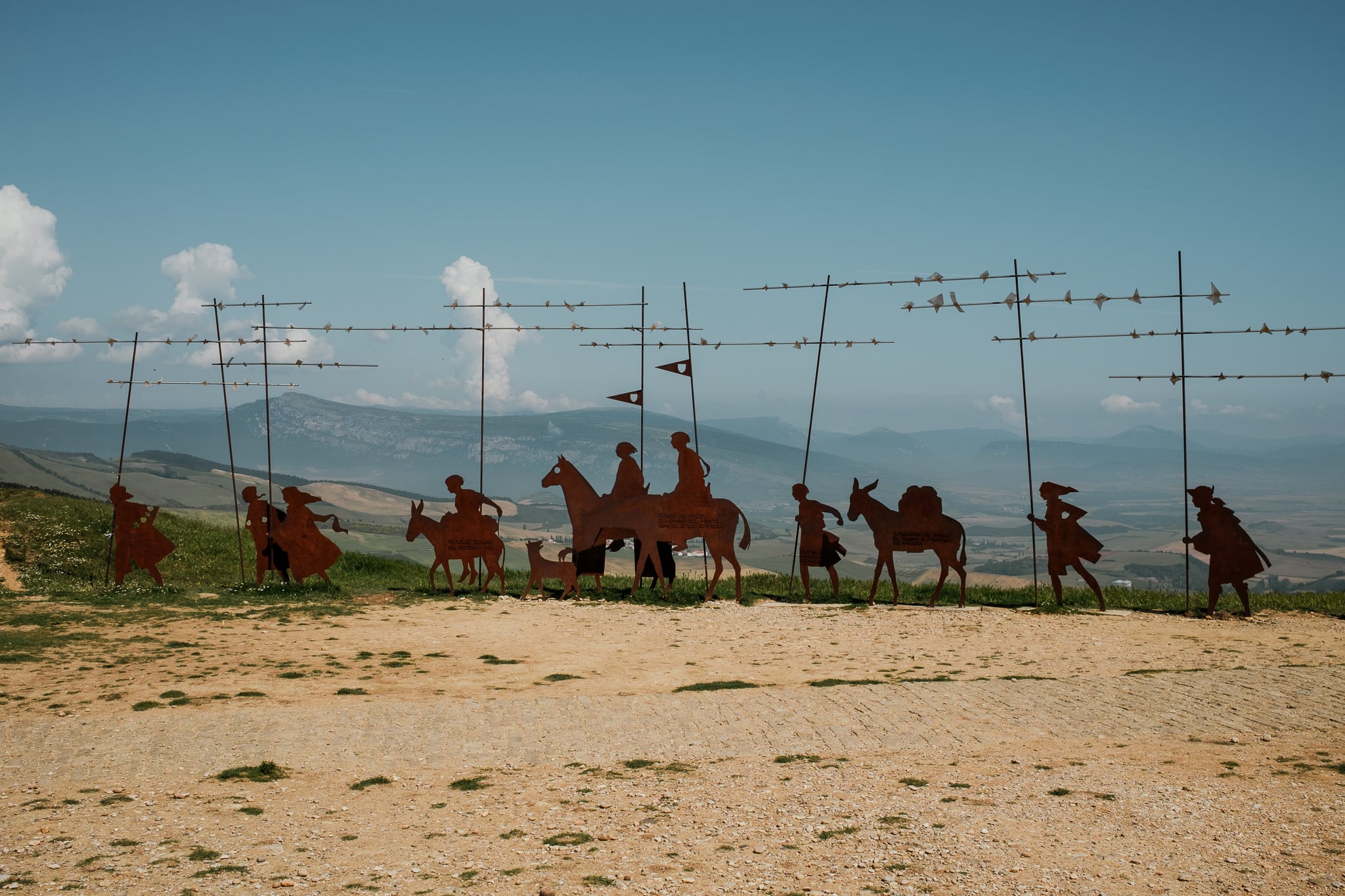
Roughly translated, Alto del Perdón means “Hill of Forgiveness.” At least one legend says that pilgrims climb Alto del Perdón to seek forgiveness for their own sins, but like so many things on the Camino, people make of it what they will.
For example: I met someone in my Pamplona albergue who only had time to walk the beginning and end of the Camino, but specifically carved out a day to walk from Pamplona to Alto del Perdón and back (so she could catch a train from Pamplona) because she had someone she needed to forgive, and she wanted to do it there.
That’s not a small task, in more ways than one — the steep ascent up the hill perhaps mirrors the internal struggle that finding forgiveness can be. To make the trek to Alto del Perdón for the specific purpose of forgiving one person is really something.
2. The Wine Fountain of Irache
Few spots on the Camino generate as much buzz amongst pilgrims as the wine fountain of Irache. This fountain was installed by the Bodegas Irache vineyard, which fills it with many liters of red wine each day for the enjoyment of pilgrims. In fact, there are two taps: one provides vino and one provides agua.
If you spend the previous night in Estella, as most pilgrims do, you’ll reach Irache just 2.7 kilometers into your day, when drinking wine might not be top of mind. (I arrived at the fountain at 7:40 a.m.) But, even if you don’t drink alcohol (or just can’t bring yourself to have wine before you’ve even had breakfast), be sure to stop and watch other pilgrims enjoying the fountain — it’s a fun curiosity.

TIP: Carry a small, empty water bottle with you on the day you’ll pass by the wine fountain so you have something to pour your wine into! (If nothing else, some people just stick their heads under the fountain and drink straight from the tap.)
3. Hilltop Towns
Perhaps “hilltop towns” is more nebulous an entry than the other items on this list, but it’s one of my very favorites.
The Camino Frances is absolutely full of perfectly picturesque little towns perched on hills. Many were built that way initially for defensive reasons — it’s harder to attack a place that’s above you — but now they provide both gorgeous scenery and much-welcome services for hungry and tired pilgrims.
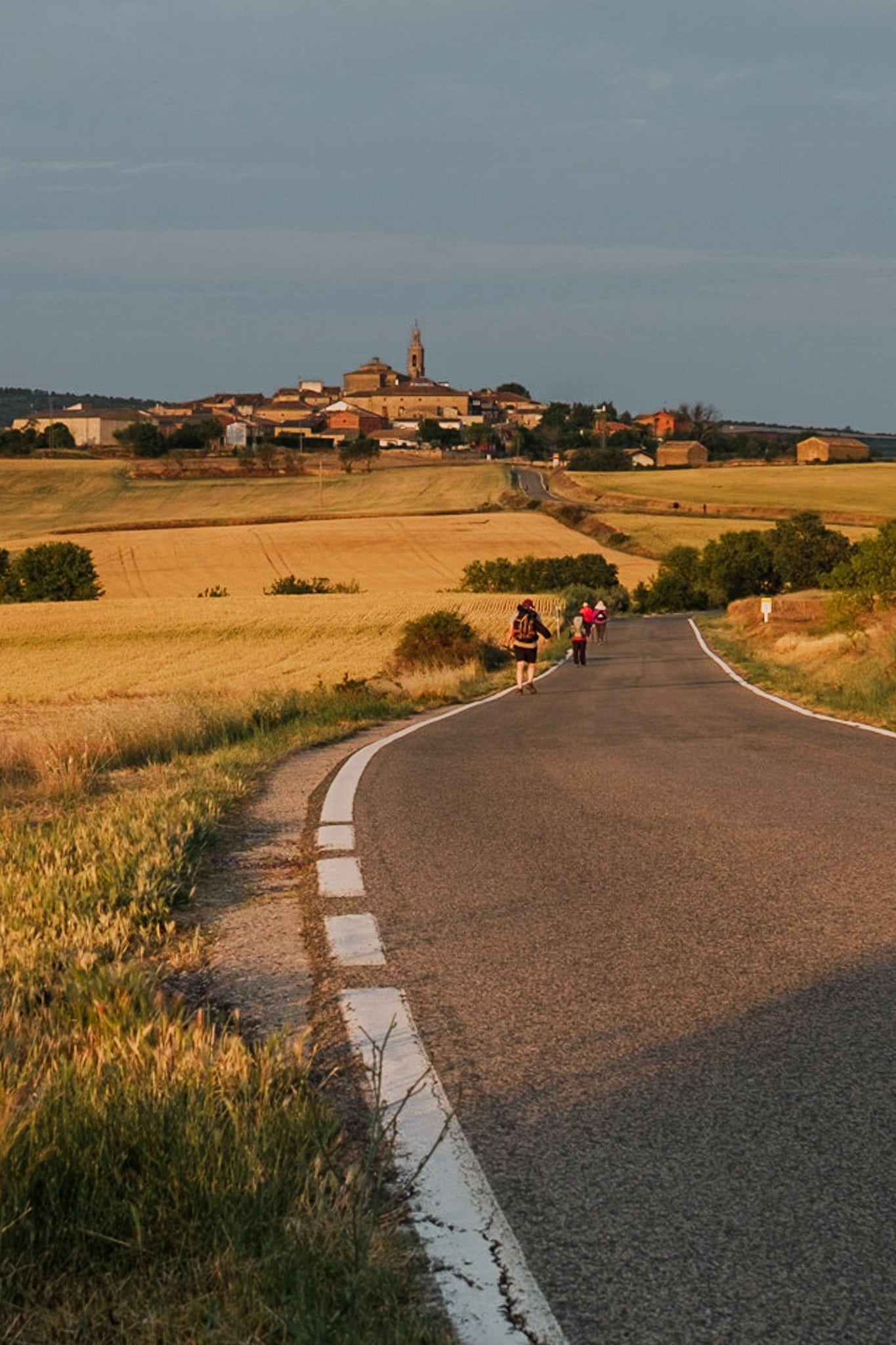
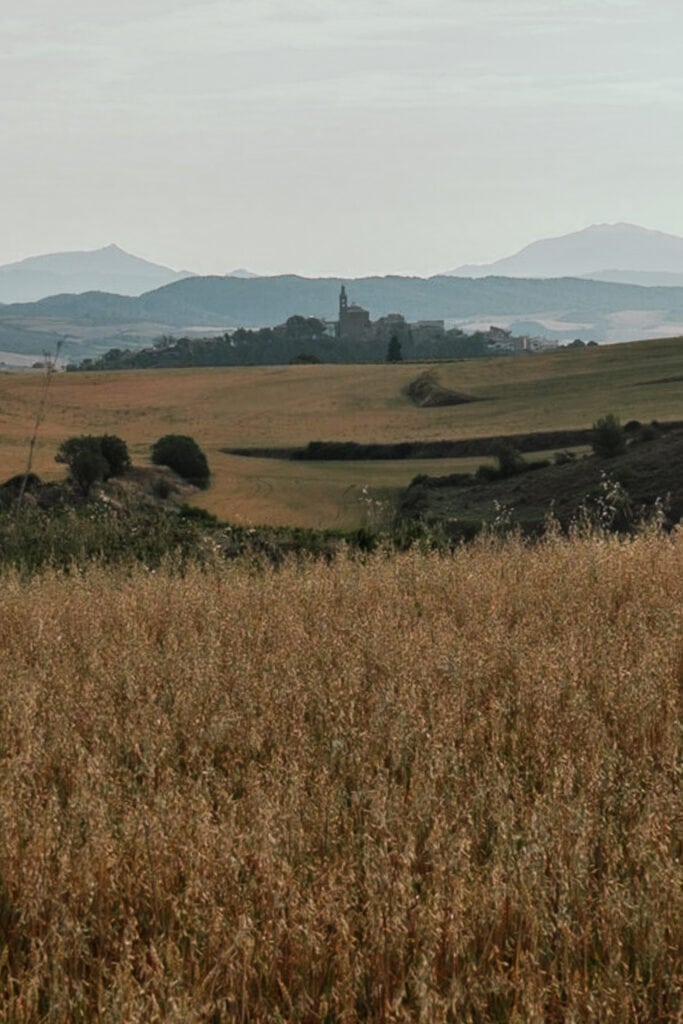
I won’t spoil every hilltop town that you’ll come across — half the joy of them is being surprised when they show up in the distance — but I’ll say that one of my favorite days for hilltop towns was on the way out of Los Arcos, with the one-two punch of Sansol and Torres del Rio (later followed by the larger town of Viana).
4. The Ruins of San Antón
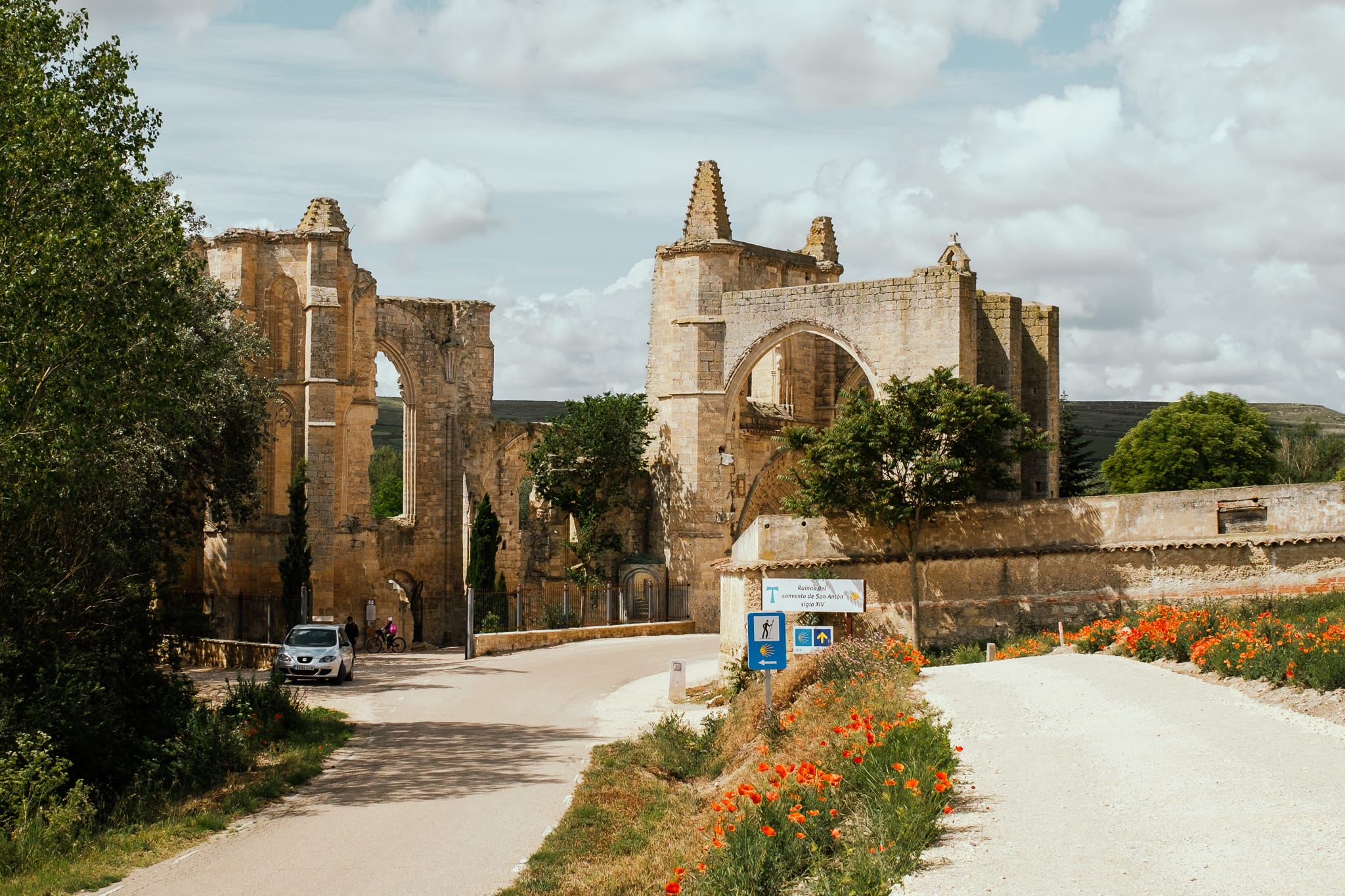
One of my favorite sights on the Camino, hands down, is the ruins of the convent of San Antón. This convent was founded in the 12th century by monks who were dedicated to caring for pilgrims. The ruins actually straddle the Camino itself and are incredibly picturesque.

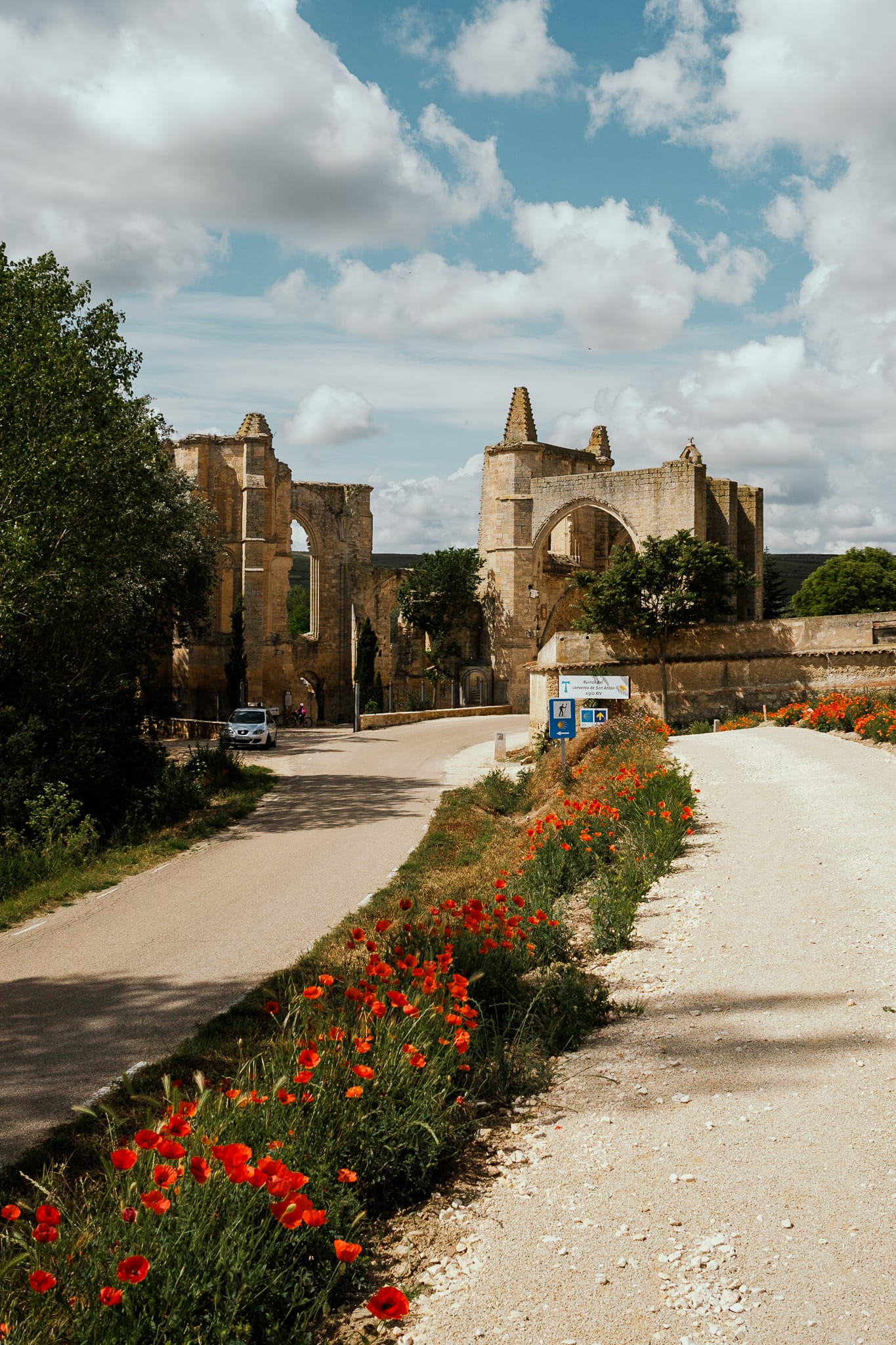
If you’re feeling a little adventurous, you can even spend the night at San Antón! There’s a small albergue with a limited number of beds for pilgrims — and no electricity or hot water. Several of my Camino friends stayed there and had wonderful experiences. One of them had a quality camera with him, and got some spectacular astrophotography at night.
I think this is a tough call, actually, because the nearest town — Castrojeriz — is really lovely, and a good place to start the next day’s walk (there is an immensely steep hill just outside of Castrojeriz, and it’s better to scale it as early as possible). But staying in the ruins is definitely a unique experience you won’t find elsewhere on the Camino, and it’s worth considering!
5. The Bridge of Hospital de Órbigo
The Camino Frances has a number of notable bridges, but for me, the most impressive is the bridge in Hospital de Órbigo. Dating back to the 13th century, this bridge is 200 meters long — unsurprisingly, the longest bridge on the Camino — with an amazing 20 arches.

Today, most of the arches sit over dry land rather than the river, but the bridge is still quite striking on its own.
If you’re lucky, you’ll pass through Hospital de Órbigo on the first weekend of June, when the town holds a jousting tournament to commemorate an old legend associated with the bridge. According to the legend, Don Suero de Quiñones and his companions were challenged to break 300 lances across the bridge. Keep an eye out for the plaque on the bridge listing their names!
6. Gaudí’s Palace
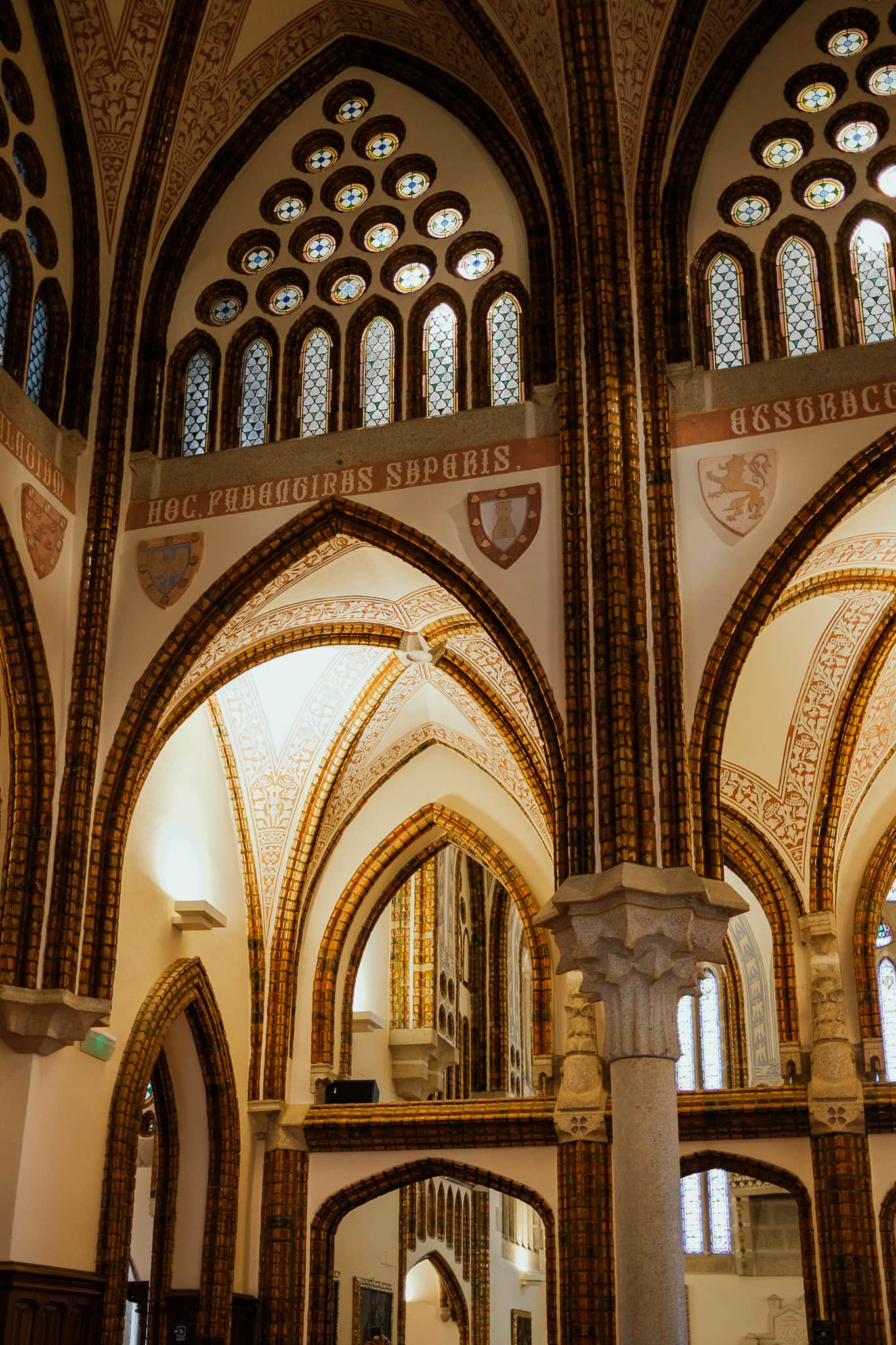
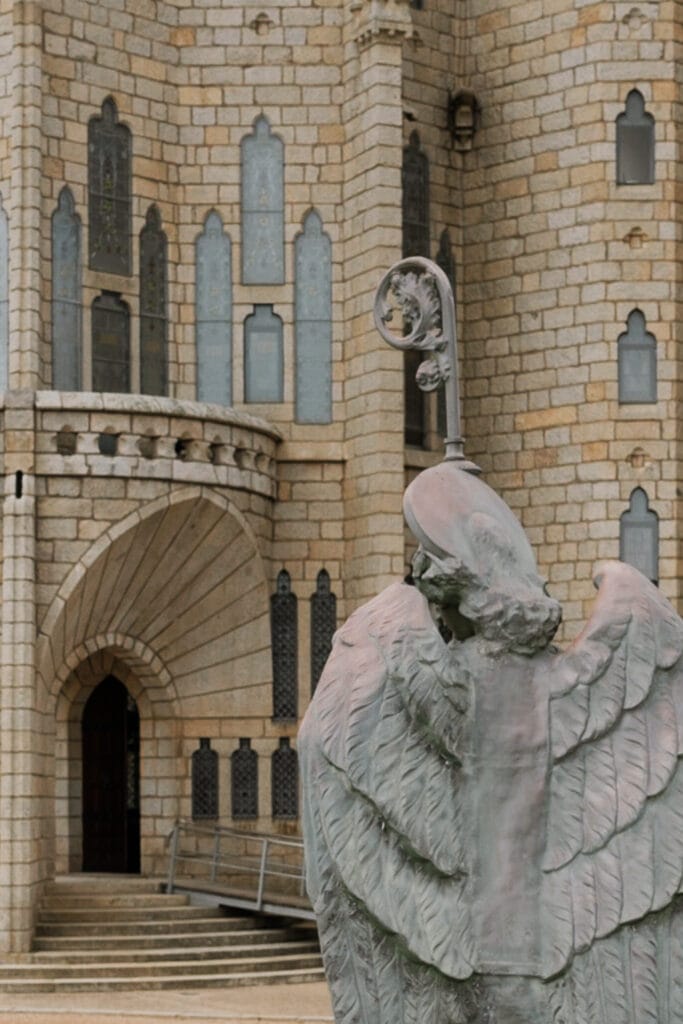
There are a number of architectural treasures located along the Camino Frances (some of them are listed in this very blog post), but few are as visually interesting as the Episcopal Palace of Astorga. The palace was designed by Spanish architect Antonin Gaudí, who also created Sagrada Familia — the legendary Barcelona cathedral that’s been under construction since 1882 — and many other famously unique buildings in Barcelona and elsewhere.
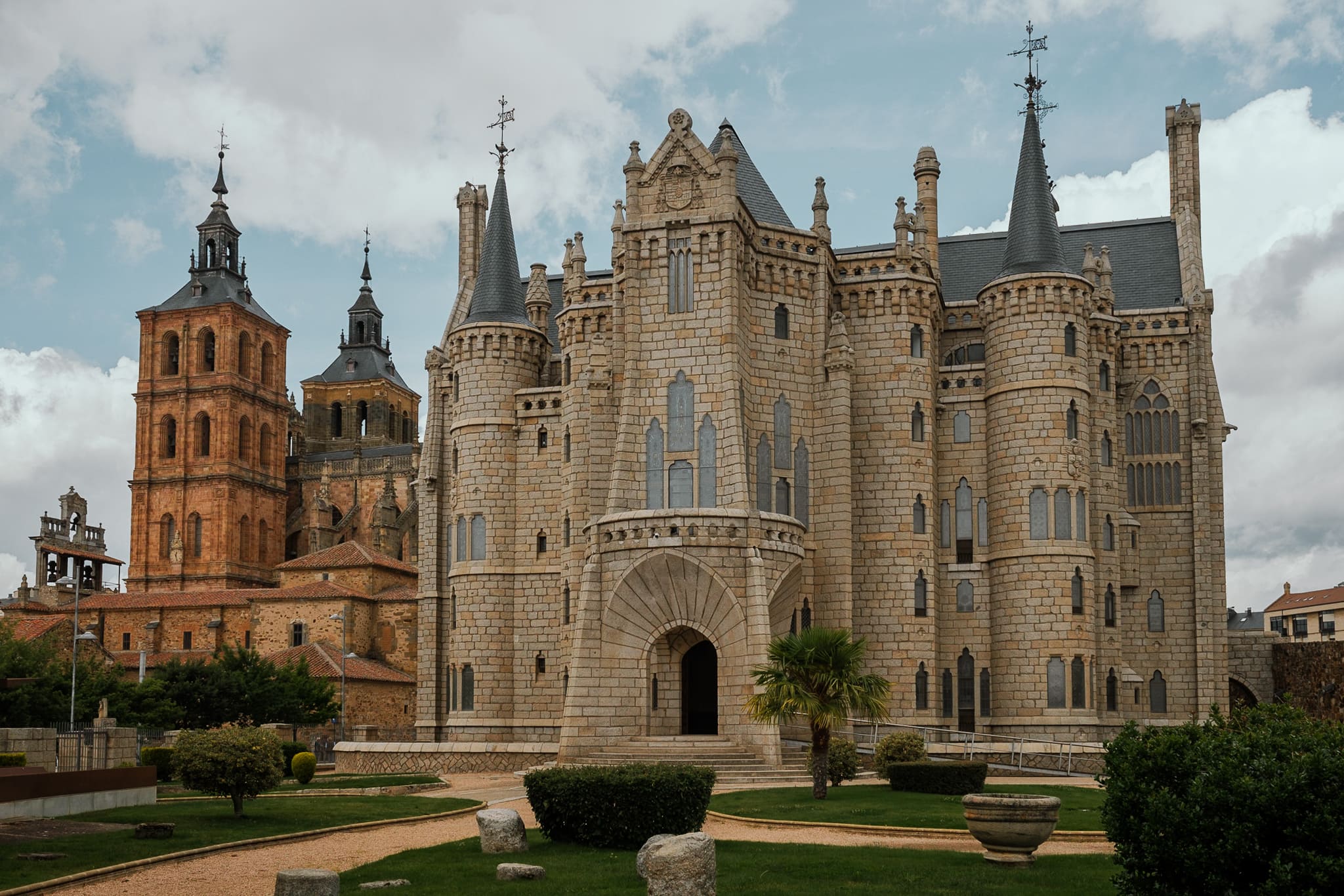
Gaudí’s Palace, as it is often called, has served as the bishop’s residence, barracks, and political offices. Today, the palace holds a museum of religious art — though, if you ask me, the building’s design is a bigger draw than any of the art inside.
I recommend timing your day so that you arrive in Astorga early enough to tour the inside of the palace, which is just as remarkable as the outside. (Or do as I did and take a rest day in Astorga to ensure you won’t be rushed!)
7. Cruz de Ferro
Cruz de Ferro, or “Iron Cross,” is a cross installed on a tall pole near the highest point of the Camino Frances. Tradition holds that pilgrims carry a stone throughout the Camino (or find one along the way) and leave it at Cruz de Ferro.
For many people, this is a highly meaningful moment, and some people choose to imbue their stones with symbolic meaning representing burdens they wish to lay down or people they wish to honor.
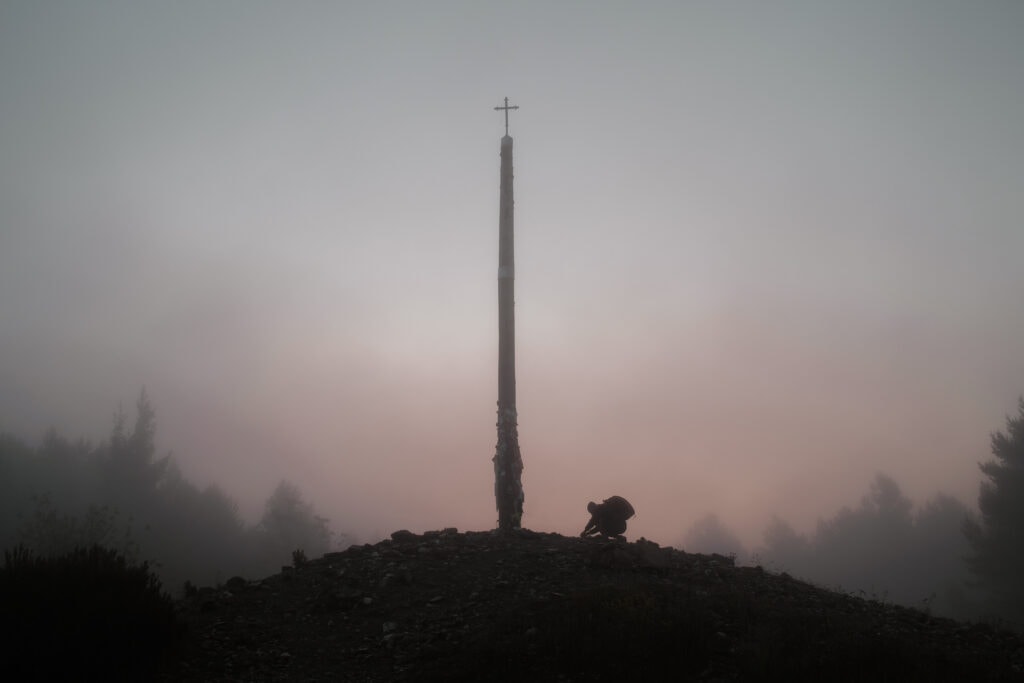
Personally, I brought a stone from my grandparents’ garden — because that’s where I happened to be on the morning I left for the Camino, when I realized that I hadn’t packed a stone. Whoops!
Still, this near-oversight turned out for the best, I think. I carried the stone in my bag’s hip pocket and would reach for it at moments when I wanted to send love to my family at home, or symbolically draw on their strength.
Some of my fellow pilgrims spent a lot of their walking time thinking about things they needed to release in their lives, and would hold onto their stones at those moments.
8. O Cebreiro
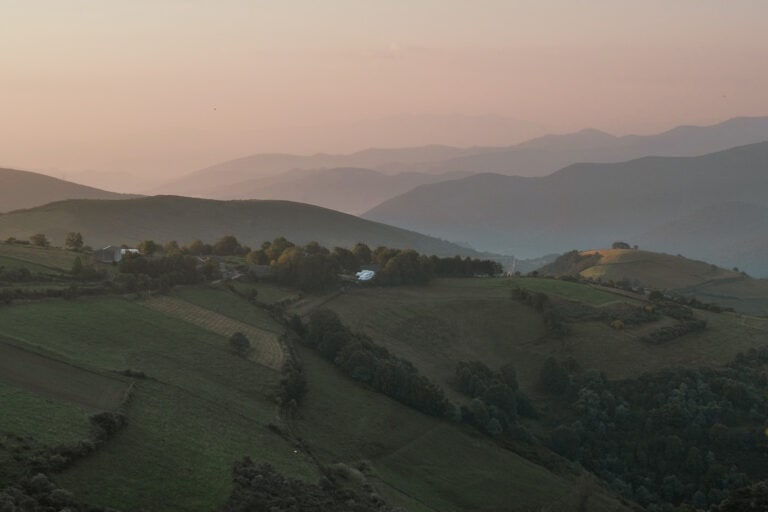
One of the most unique destinations on the Camino Frances is the mountaintop town of O Cebreiro. It’s the first town pilgrims reach in Galicia, the final region of the Camino Frances.
O Cebreiro is famous for its nine restored and preserved “pallozas,” which are traditional homes with Celtic origins. They are round or oval, with low walls and thickly thatched roofs. Several of them have actually been converted into an ethnographic museum, where you can learn about how people used to live in this region.
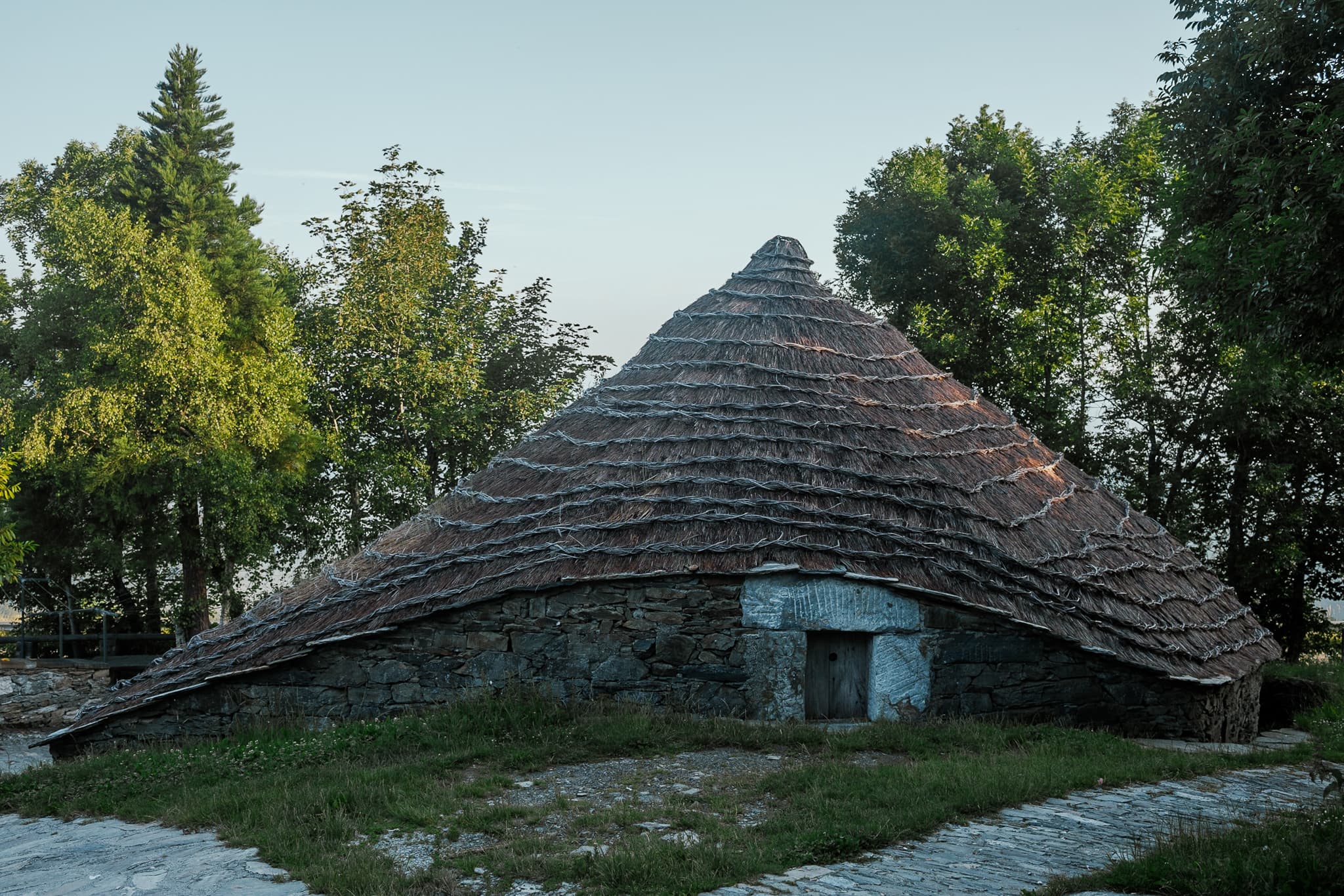
Many people stay overnight in O Cebreiro. I did not, choosing instead to stay in the lower town of La Faba. I then hiked up to O Cebreiro at sunrise, which was absolutely gorgeous.

9. Monastery of San Xulián de Samos
Okay, truth be told, you’re not guaranteed to see Samos’s monastery if you walk the Camino Frances. This is because Samos and its monastery actually sit in a section of the Camino that forks in two directions before reuniting again.
As you leave Triacastela, you have a choice of which way to go to reach Sarria: you can go left, toward Samos, or right, toward San Xil. (These two routes reunite in Aguiada, 4.6 kilometers before Sarria.) The Samos route is several kilometers longer, but is otherwise a bit easier, and many people report that it’s prettier.
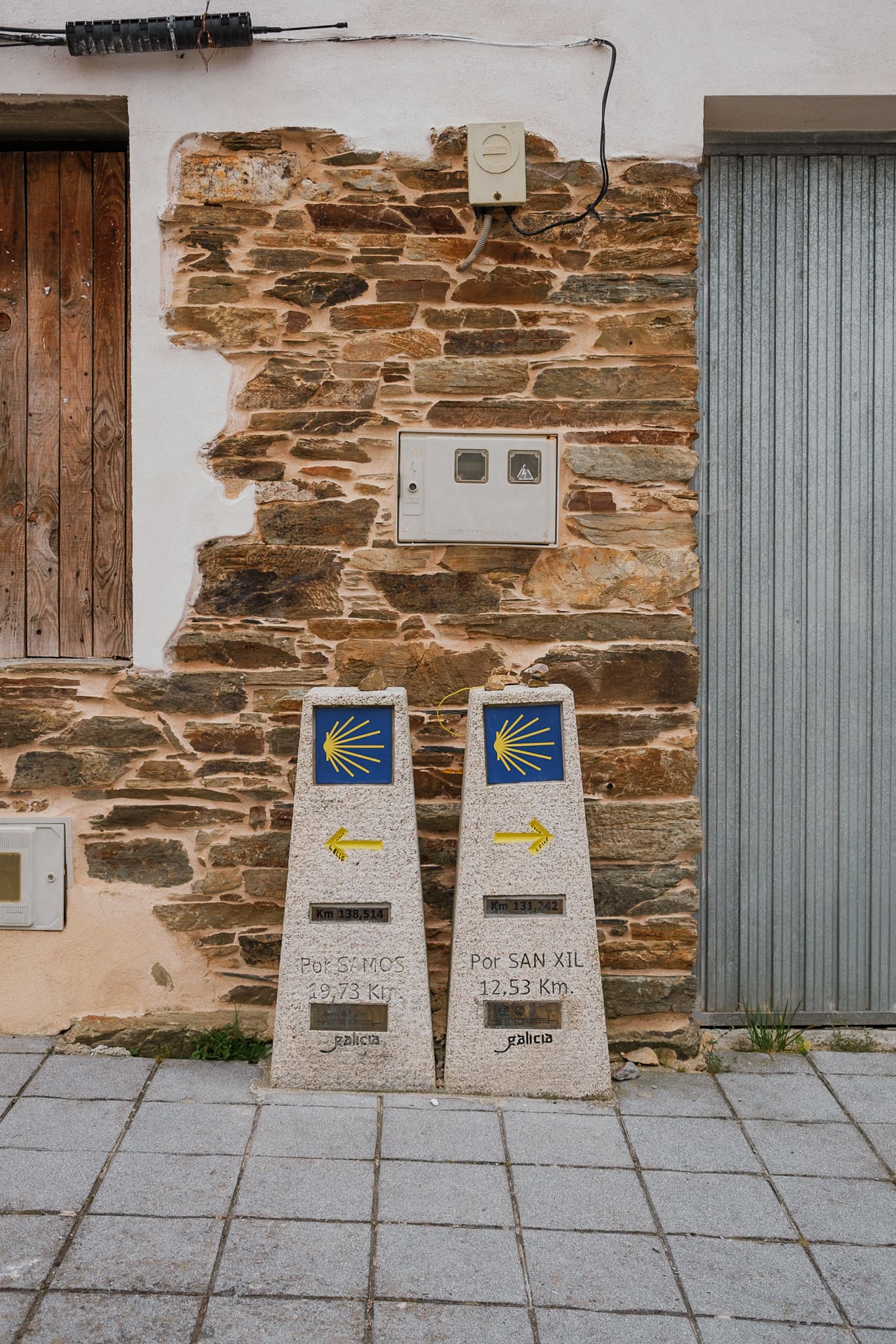
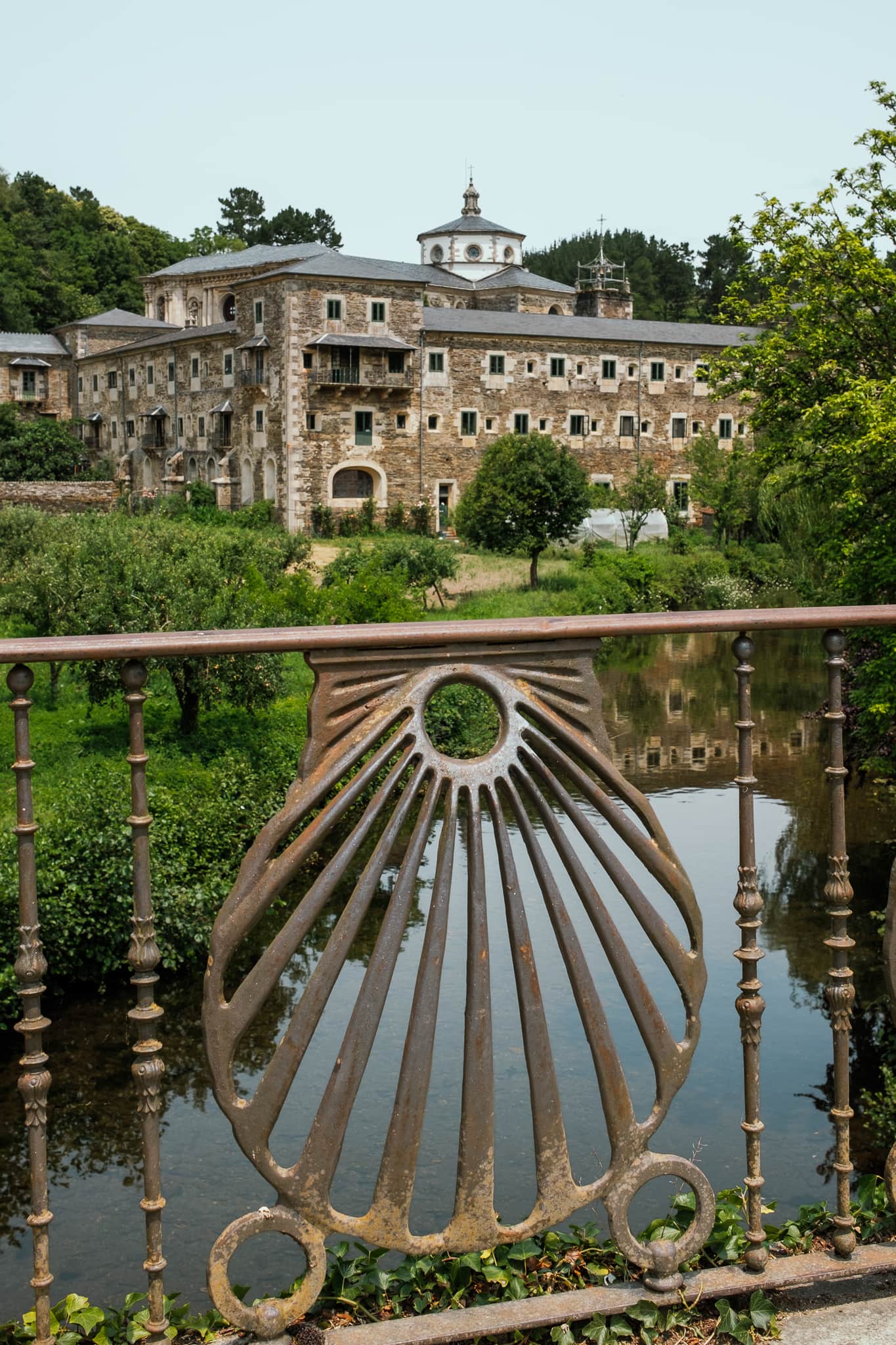
If you choose the Samos route, you’ll get to see its impressive Benedictine monastery. A monastery has existed in this location since at least the 7th century — though the current building dates only to the 1950s, when the monastery suffered a devastating fire.
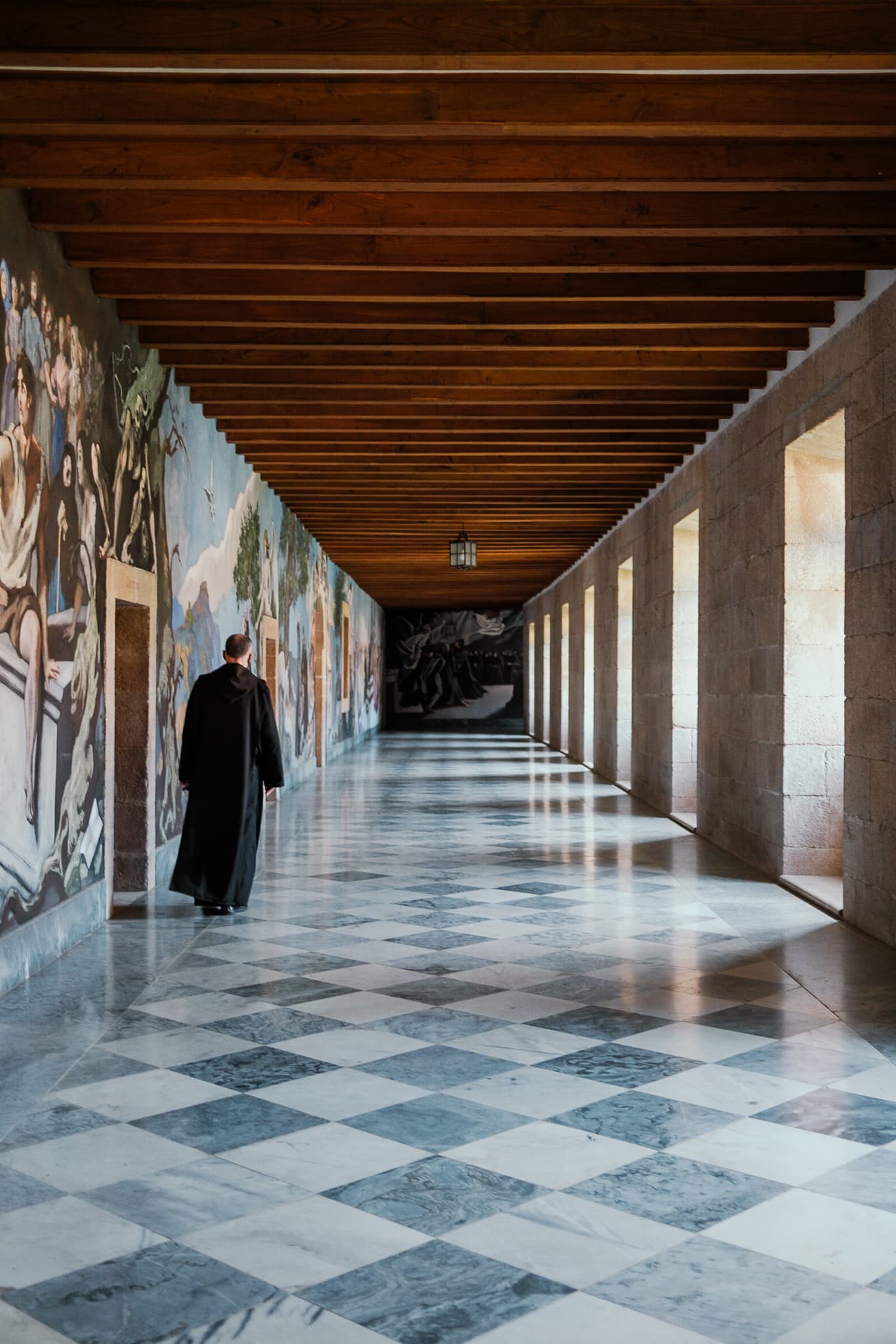
Note that you can stay overnight at the monastery (I did!), which has an albergue. It’s sparse, but staying overnight means you have two short days of walking rather than one very long day, and you can attend mass at the cathedral if you want.
Staying at the monastery also gives you more time to see the inside of the building, which you can access only with a guided tour at certain times of day.
10. Santiago de Compostela Cathedral
Santiago de Compostela’s cathedral is appropriately striking for its role as the final destination of the official Camino Frances, as well as the purported resting place for Saint James. With its impressive twin towers, the cathedral presides over a sweeping square that’s perpetually populated with jubilant pilgrims celebrating their completed Caminos.
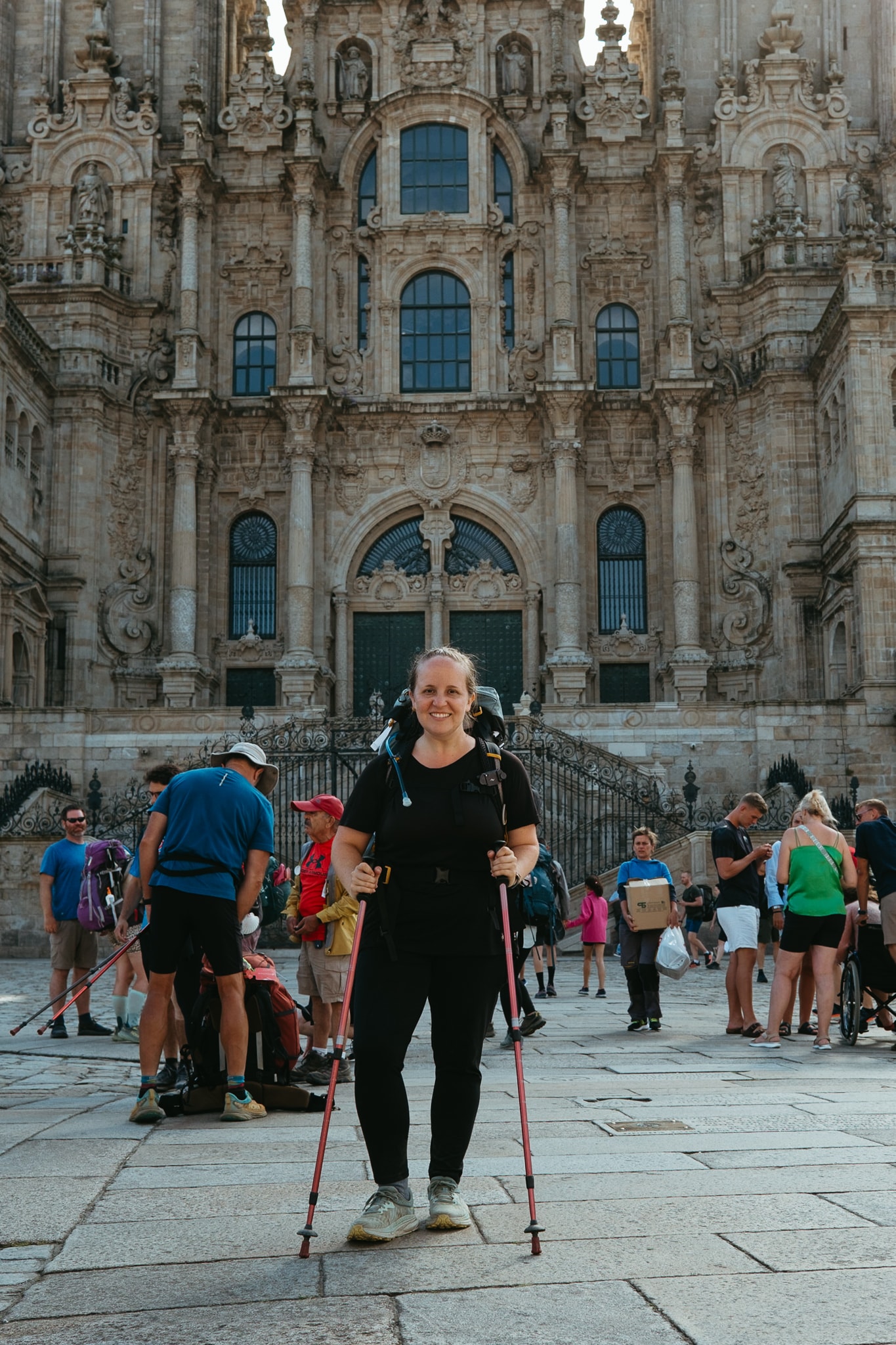

Of course, don’t miss the inside of the cathedral either. I highly recommend attending pilgrims’ mass at noon, when the space fills up with people who just walked into Santiago de Compostela from a variety of directions.
If you’re lucky, you may even see the botafumeiro in action. This massive swinging incense holder requires multiple people to operate, and it fills the cathedral with an incredible scent.
Unfortunately, the cathedral does not swing the botafumeiro every day, and now only operates the botafumeiro on special occasions or when someone has made a substantial donation of several hundred euros. (If you would like to make this donation and guarantee that the botafumeiro will swing for you, email the cathedral well in advance to make arrangements. Note that sometimes pilgrims also band together to make this happen.)

More Information About the Camino
THE BASICS | Start with an introduction to the Camino de Santiago and 15 important things to know about the Camino, and read about a typical day on the Camino.
SAFETY | Find out what to know about safety on the Camino.
FOOD | From typical meals to costs, here’s everything to know about food on the Camino.
GO IT ALONE | Here’s what you need to know if you’re thinking about walking the Camino alone (like me!).
EXPENSES | Just how much does the Camino cost, anyway? Find out here.
GET READY TO GO | Here’s what to know about how long the Camino takes, how to plan for the Camino (or not!), and 9 helpful ways to prepare for the Camino.
ITINERARY | Want to walk the Camino Frances in about 34 days? Read my recommended itinerary.
PACKING GUIDE | Everything you need to know about what to pack (and not to pack!) for the Camino, plus a printable packing checklist.
CAMINO FRANCES | Dive into my Camino experience in my Camino Frances photo diary.
SHORT CAMINO | Here’s how to walk the Camino in just 5 days.
PHOTOGRAPHY | A complete guide to taking great photos on the Camino de Santiago.
pin this post